
 E-Paper



Cleaning up Delhi-NCR’s air
A long-term plan with bold measures and a unified Centre-state front are essential

 Prefer HTon Google


The Supreme Court (SC) on Thursday expressed satisfaction over the measures taken by the Commission for Air Quality Management (CAQM) to control air pollution in Delhi-National Capital Region (Delhi-NCR), even as it directed the body to invite suggestions from the public and experts to find a “long-term solution”. Solicitor-general Tushar Mehta, appearing for the Centre and CAQM, told the court that an expert committee is working to find a solution so that kneejerk reactions do not become the annual response.
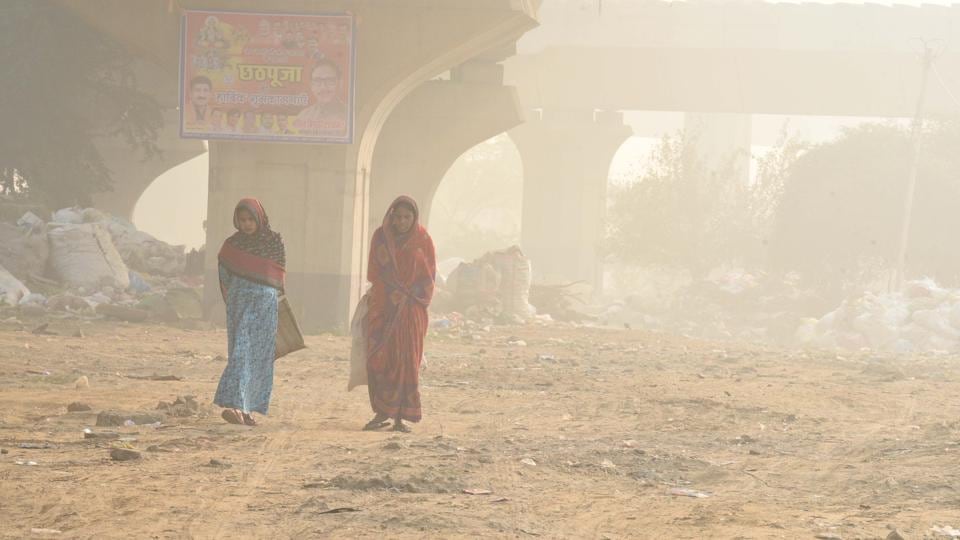
While SC’s push for a long-term anti-pollution strategy is welcome, the executive (the Delhi government, and the Centre) should have ideally taken this decision years ago. Scientific evidence has been piling up on Delhi-NCR’s dire air situation. According to IQAir AirVisual’s 2019 World Air Quality Report, 21 of the world’s 30 cities with the worst levels of air pollution are in India; six Indian cities are in the top 10; and among all Indian cities, some of the worst levels of air pollution are seen in Delhi-NCR every year. The city’s average levels of the most dangerous airborne particles, PM2.5, are 14 times the World Health Organization’s recommended limit. To date, actions have been reactive and do not protect the poorest or effect structural change. The focus revolves around a ban on fireworks and stubble burning, while the inability to monitor and control exemplifies the lack of a cohesive action plan, political will, and weak governance systems. Meanwhile, there is no plan to deal with what is actually a much larger issue — Delhi’s air is always bad, with spikes in pollutants that make it worse during winter.
The primary sources of air pollution in Delhi — vehicle exhaust, heavy industry, small-scale industries, suspended dust, open waste burning, combustion of fuels for cooking, lighting, heating, and diesel generator sets — are well known. Compounding the problem are meteorological factors and seasonal emissions from dust storms, forest fires, and open-field fires. Tackling these requires sectoral interventions, investment in alternatives (like expanding public transport), and credible incentives for citizens to opt for low pollution pathways. Delhi-NCR also needs vegetation buffers and more green cover. Overall, the executive needs to take a regional airshed-focused approach. But none of these will be possible unless there are bold governments, a unified Centre-state front, an independent agency, and an involved citizenry


