
 E-Paper



Cold wave: What states must do
The northern states must frame standardised preventive, preparedness, adaptation, and mitigation measures to tackle the challenges posed by such extreme weather events, which are likely to increase in the future, to reduce human and financial losses

 Prefer HTon Google


The unforgiving cold spell that has gripped Delhi through January has caused the second coldest spell of winter recorded in the city in more than seven decades, India Meteorological Department (IMD) data analysed by Hindustan Times showed. This is also the coldest start to a year in 19 years. The average maximum temperature in the Capital between January 1 and January 24 was 16.9 degrees Celsius. Since 1951, the average temperature was lower (15.8 degrees Celsius) in the same period only in 2003. The reason for such a bitterly cold start to the year is due to a rare phenomenon, said IMD officials: Three intense western disturbances in January have added a heavy amount of moisture in the air, leading to heavy snowfall in the upper reaches of the Himalayas over the weekend, and resulting in an intense chill across large parts of the country. However, there was some respite on Wednesday with the sun making a comeback.
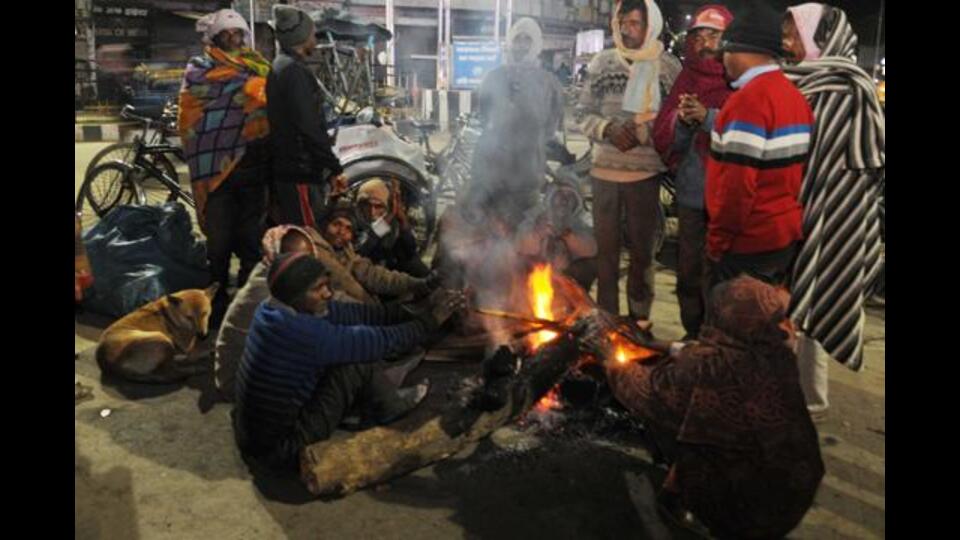
In December, too, all of north India weathered similar cold wave conditions. While scientific attribution of a specific extreme weather event to the climate crisis needs time and thorough investigation, experts have been warning that the impact of global warming on the Capital cannot be disregarded. They point out the variations in other seasons too. For example, during the monsoon, the Capital saw intense and short spells of rainfall, an unmistakable imprint of the climate crisis. These changes are also in line with what is happening in other parts of the country, including erratic monsoon patterns and stronger cyclonic storms.
The erratic weather events present a severe governance challenge because the national and the state governments have to respond to these climate challenges quickly, with strong and effective mitigation and an adaptation plan. Given that adaptation is essentially local, governments will have to facilitate the development of decentralised and inclusive decision-making, which is always a challenge. By now, the northern states should have developed a robust plan (as per the National Disaster Management Authority guidelines) on cold wave risk management. But other than Delhi, others don’t seem to even have well-resourced night shelters, which the homeless can access.
It is also important to remember that cold waves don’t just have significant effects on human health, but also impact agriculture, livestock, and livelihoods. In 2019-20, Punjab, Haryana, Rajasthan, Uttar Pradesh, and Bihar were affected in terms of casualties from cold wave, which could have been due to “lack of planning and inadequate shelters for the outdoor workers, farmers and livestock,” said a NDMA advisory issued last year. The northern states must frame standardised preventive, preparedness, adaptation, and mitigation measures to tackle the challenges posed by such extreme weather events, which are likely to increase in the future, to reduce human and financial losses.


