
 E-Paper



In Karnataka, 3 factors at play
Communalism, caste and corruption are likely to shape the poll battle in the southern state

 Prefer HTon Google


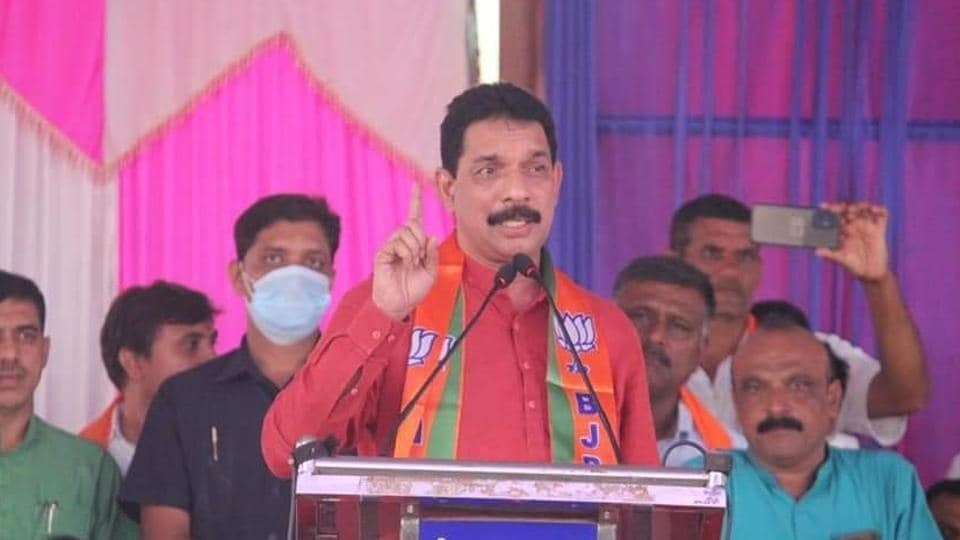
Three axes will be at play when Karnataka, the first major state to go to the polls this year, votes in assembly elections on May 10. The first is polarisation, an old fault line in the coastal regions of the state, a region which the Bharatiya Janata Party (BJP) swept in 2018 and which its state chief NK Kateel has kept simmering with comments on interfaith marriages and Tipu Sultan’s legacy. Whether the government’s decision to scrap a quota for Muslims makes the community move to the Congress, and whether it triggers a counter-polarisation, will be key in these seats.
The second is caste, another old issue that has got a new lease of life with the state government tinkering with the reservation system – giving symbolic quota hikes to the two most influential communities, Lingayats and Vokkaligas, and proposing internal subdivisions in the Scheduled Caste (SC) grouping. A large chunk of Lingayats have historically backed the BJP but a demand for more reservation has roiled the community. Whether the quota hike can assuage that sentiment will shape the electoral arena. Similarly, the BJP appears to be attempting to nurture smaller SC communities (akin to its successful strategy in Uttar Pradesh) but whether this will displease larger groups (the Banjaras are already protesting) will be important. There are other questions: Will the Vokkaligas abandon an enfeebled Janata Dal (Secular) and give in to overtures from the BJP, or back their own man, Congress chief DK Shivakumar? Will the Dalits split equally between the Congress and the BJP like in 2018? Will the Mysuru region remain impregnable for the BJP? Will BS Yediyurappa help shore up the Lingayat vote for the BJP, or will efforts by a section of the state BJP to sideline him boomerang?
The third is development and corruption. The BJP appears to be on the back foot on this issue. There is no doubt that the BJP campaign will focus on “double-engine growth” as the party likes to term the benefits of the same party being in power in the state and the Centre, and development, but the Opposition believes it has got a potent slogan with allegations of 40% commission on government contracts.
Karnataka is important to each party for different reasons. For the BJP, it is the gateway to the south. For the Congress, it is an opportunity to win its first big state after five years, a revenue-rich province that can help fill party coffers. For the JD(S), which got its man the top post for a year despite coming third in the last election, it is a fight for relevance. Which way is the wind blowing? May 13 will tell.


