
 E-Paper



Missing in the ethanol substitution vision
Any policy change which diverts agricultural production from food to fuel use is bound to inflict a supply shock in the food market

 Prefer HTon Google


India almost entirely imports its crude oil requirements. This entails a large foreign exchange drain and adds to the even bigger non-oil trade deficit. When seen in this context, the idea of promoting biofuel must have sounded like an extremely attractive proposition. India is one of the world’s largest agricultural producers of crops such as sugarcane and cereals, and part of that output could be diverted to making ethanol for fuel blending; that would have been the argument behind India’s biofuels policy.
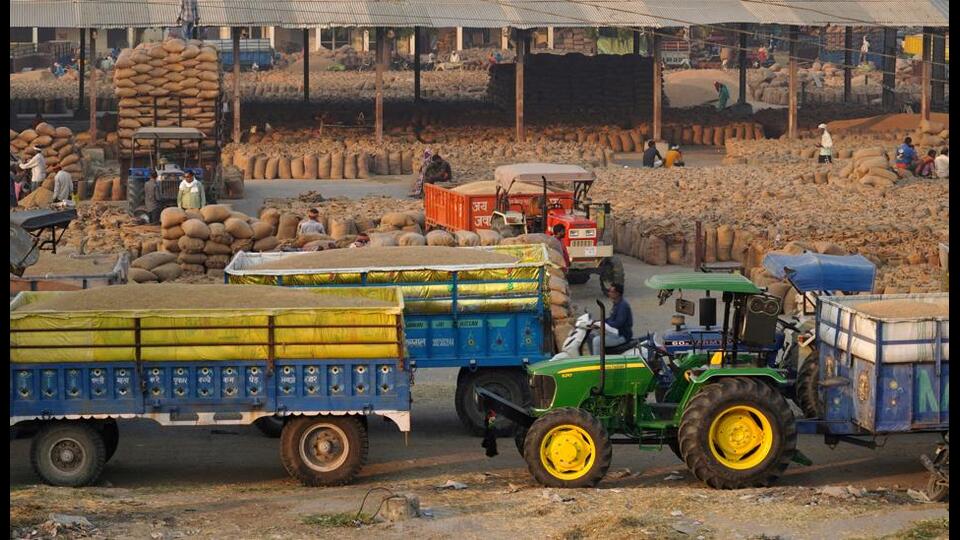
What the proponents of this idea perhaps forgot is that India is also the most populous country in the world. Most Indians spend a large part of their household budgets on food and they are extremely sensitive to food inflation. Any policy change which diverts agricultural production from food to fuel use is bound to inflict a supply shock in the food market.
This is exactly what happened with the sugarcane crop as global sugar markets tightened. HT has reported that government-owned oil retailers want to substitute sugarcane with other cereals — primarily rice and maize — to make ethanol for fuel blending. There is no reason to believe that a similar supply shock might not follow in cereal markets, especially for maize, which is a key input in producing feedstock for sectors such as poultry.
The biofuel blending debate has been overwhelmingly dominated over its alleged adverse effects on cars so far. The higher order supply shock on the larger food-feed-fuel dynamics in the food economy are only being realised now. This clearly shows an oversight when the programme was rolled out. India did well to abolish five-year plans as its overarching economic policy framework — but some planning and foresight while dealing with interlinkedcritical sectors might not be a bad idea.


