
 E-Paper



Can music festivals save the melting Alps?
Europe’s ski resorts must reinvent themselves for a hotter future


 Prefer HTon Google


It was a distinctly meditative concert, performed by a pianist-composer and a woman who strokes crystal bowls. Some 250 people had gathered in a meadow high in the Italian Alps, facing the moonlit bulk of Mt Chaberton. The Deipratiedellestelle (Of Meadows and Stars) festival brings music, dance and performance to an area usually known for its winter sports. With Europe experiencing severe heatwaves, such events have taken on added significance: the Alps are warming at more than twice the northern hemisphere’s average rate. “You cannot base all your tourism on skiing at a time when the ski season is getting shorter and shorter,” says Daniela Cattaneo, the festival’s producer.
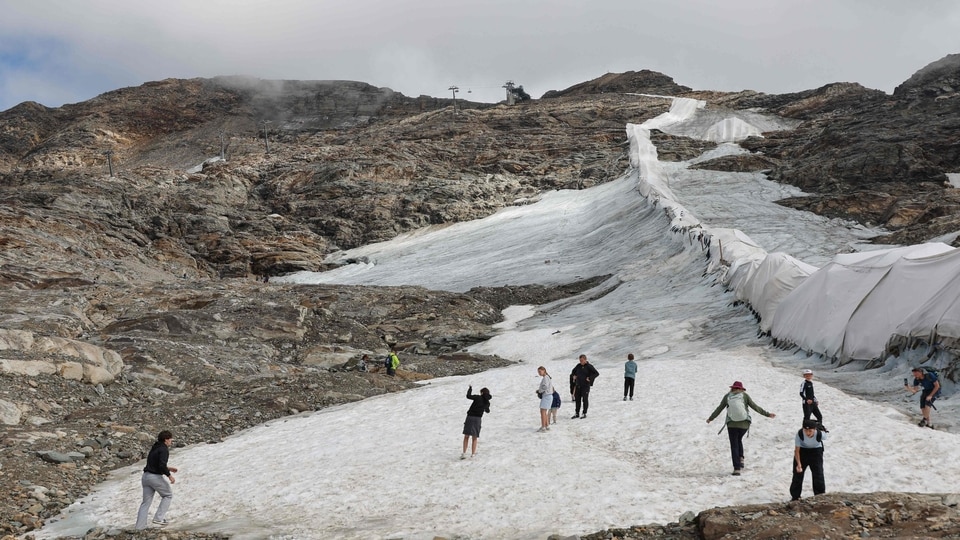
Artificial snowmaking helps. Researchers in 2023 found that of 2,000 ski resorts across Europe, over half will lack enough snow in one winter out of two if mean temperatures reach 2°C above pre-industrial levels. With snow cannons for half their skiable surface, that would fall to 27%. But snowmaking is expensive and uses lots of electricity and water. “It cannot keep pace with global warming,” says Daniel Scott, a geographer at the University of Waterloo in Canada. At the lower-altitude resorts that most need snowmaking, temperatures more often rise too high for it to be possible.
Another strategy is to build high-tech gondolas to whisk skiers to ever-higher altitudes. Several feature in a €50m ($58m) programme unveiled last December by Italy’s Piedmont region. But these can overcrowd the peaks, and are useless to inexperienced skiers and snowboarders who prefer gentle lower slopes.
So mountain regions must find more things for tourists to do. “Adaptation strategies based on diversification of mountain activities and revenues are crucial,” as a Bank of Italy study puts it. Luckily, high temperatures will also lead some holidaymakers to flee Mediterranean beaches. Cultural events, wellness centres, mountain biking and lake swimming can draw them to the mountains. Whistler Blackcomb, North America’s largest ski resort, now gets more visits in summer than in winter.
In Piedmont the investment in diversification remains modest—less than €6m of the €50m modernisation programme. Mr Scott says much depends on how soon European policymakers and investors see the writing on the ice. Resorts that establish themselves early as year-round or summer venues will gain an invaluable reputational advantage. He is collaborating on a project to model which ones are most likely to go out of business: “Certainly 25% in the next 20 years.” With grim humour, the project is entitled “Après Ski”.
To stay on top of the biggest European stories, sign up to Café Europa, our weekly subscriber-only newsletter.


