
 E-Paper



As pollution soars in Gurgaon, you need to stay indoors
PM 2.5 level reached 727 micrograms per cubic metre by 2pm, up 12 times from the permissible limit


Thick smog covered the city on November 2, affecting visibility, and the Central Pollution Control Board (CPCB) marked the air quality as ‘severe’ as its data showed PM2.5 level reaching 727 micrograms per cubic metre (µg/m³) by 2pm, up 12 times from the permissible limit of 60 µg/m³.
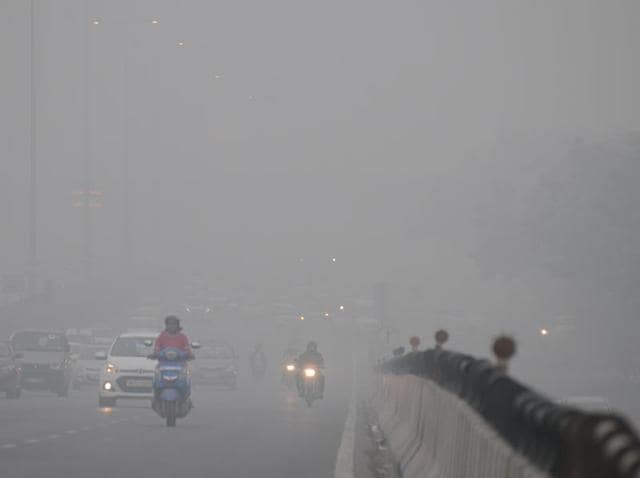
However, the average concentration of PM2.5 over 24 hours was 427.5 µg/m³, according to the CPCB that is provided data by the Haryana State Pollution Control Board (HSPCB).
PM2.5 is suspended particulate matter 2.5 micrometres or less in diameter and is a major component of what constitutes air pollution. As it is very fine, it can settle in the lungs and worsen asthma and other respiratory problems.
The Hindustan Times had on October 31 reported that PM2.5 was at 785µg/m³ on the night of Diwali a day before, 13 times above the permissible limit. At present it still persists around the same level even as smog covers the city and impacts both visibility and health.
According to Anumita Roychowdhury, executive director of research and advocacy at the Centre for Science and Environment (CSE), “This happens every year during this time as several factors combine to contribute to the growing air pollution level in the region. The low temperature and calm air cause ‘inversion’, which leads to polluted particles remaining trapped near the ground. The toxic smoke mixed with fog causes smog that persists in the atmosphere.
“Also, smoke from paddy burning and emissions from vehicles add to the pollution level,” she said.
Roychowdhury, also the head of the air pollution and clean transportation programme at CSE, added that this situation will remain unchanged for a few days as the temperature will reduce further and the pollutants already trapped in the atmosphere will not be able to move up and disperse as the air is thicker.
Vijay Chowdhary, senior environmental engineer, HSPCB, said, “We are not expecting the air to clear up soon. The sky is covered with smog and visibility will be affected in the region.”
He added that apart from the suspended particulate matter, gases such as carbon dioxide, carbon monoxide and nitrogen compounds comprise most pollutants in the air.

Stay updated with all the Breaking News and Latest News from Mumbai. Click here for comprehensive coverage of top Cities including Bengaluru, Delhi, Hyderabad, and more across India along with Stay informed on the latest happenings in World News.


