
 E-Paper



Chances of developing Type I diabetes may depend on diversity of viruses present in intestines

 Prefer HTon Google


For the study, published in the journal Proceedings of the National Academy of Sciences, the team analysed the viruses in 22 children, who carried genes that put them at high risk of developing the disease.
Your child’s chances of developing Type I diabetes may depend on the diversity of viruses present in his or her intestines, researchers say.
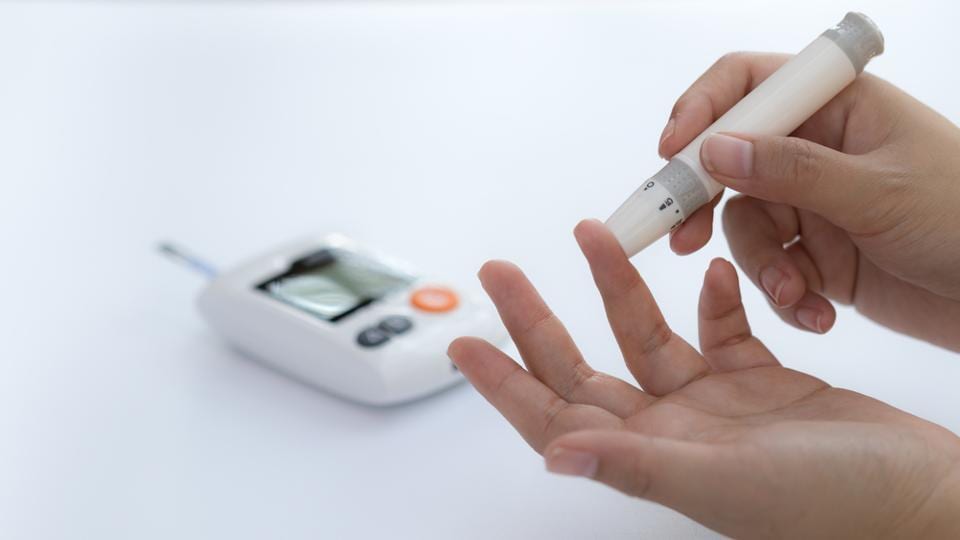
Type 1 diabetes is a chronic autoimmune disease in which one’s own immune system destroys the cells needed to control blood-sugar levels, requiring daily insulin injections and continual monitoring. The study showed that children whose gut viral communities are less diverse are more likely to generate self-destructive antibodies that can lead to Type 1 diabetes.

Further, children who carried a specific virus belonging to the ‘Circoviridae family’ were found less likely to develop diabetes than those who carried members of a different group of viruses. On the other hand, differences were found in a group of viruses called bacteriophages that infect bacteria in the gut, not human cells.
Children carrying bacteriophages that target Bacteroides species - one of the major groups of intestinal bacteria - were more likely to start down the path toward diabetes, the researchers said. “We identified one virus that was significantly associated with reduced risk, and another group of viruses that was associated with increased risk of developing antibodies against the children’s own cells,” said Herbert ‘Skip’ Virgin IV, Professor at the Washington University in St. Louis.
For the study, published in the journal Proceedings of the National Academy of Sciences, the team analysed the viruses in 22 children, who carried genes that put them at high risk of developing the disease. The results showed that children who went on to take a first step toward diabetes had fewer and a narrower range of viruses than those who did not. “There are many autoimmune diseases that are much more common these days. It could be that we’ve made ourselves unhealthy by not having the right viruses in our virome,” Virgin said.
Follow @htlifeandstyle for more


