
 E-Paper



Fresh basil, peach, pea, candy: Why the foodie perfume wave is here to stay
Gourmand scents are a five-course meal for the senses, and with 2.2 million social media posts, the craving is only growing

 Prefer HTon Google


Perfume has entered, or rather, re-entered its foodie era. Think roasted pistachio, saffron syrup, and creamy matcha: today’s gourmand (French for glutton) scents are rich, refined, and Instagram-approved.
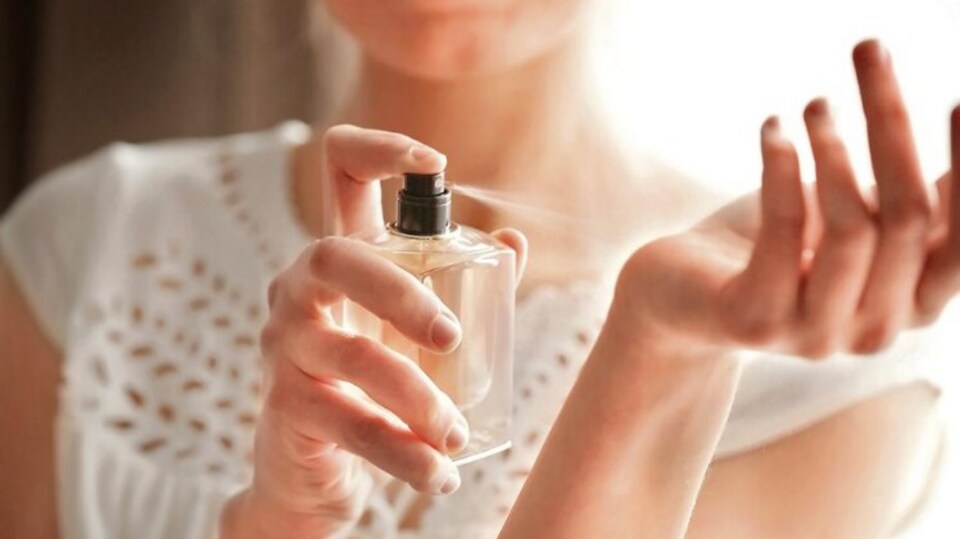
No longer just limited to sweet treats, they are layered like a five-course meal, with over 2.2 million posts on social media proving that the craving for edible perfumes is real.
While sweet-smelling perfumes have existed for decades, the modern gourmand trend took off in the 1990s with Thierry Mugler’s Angel, a scent that boldly replaced traditional florals with notes of cotton candy, chocolate, and patchouli.
Why the foodie perfume wave is here to stay
So, why are we all reaching for perfumes that smell like dessert, drinks, or spice blends from the kitchen? First, it is about comfort. These fragrances remind people of joy and safety. A splash of vanilla might feel like being wrapped in a warm hug, while caramel or saffron can bring back memories of homemade desserts or festive dinners. Perfume has become a way to wear happiness.
Scented comfort
This emotional pull — the connection to deeply personal food memories — is why people gravitate toward gourmand scents. A single whiff of roasted pistachio or cardamom can transport someone to a beloved family kitchen or a cherished trip. This kind of nostalgia makes a scent feel truly meaningful.
Fragrance expert and perfume brand owner Dimple Fouzder explains, “These scents often evoke warmth, nostalgia, and comfort. Sweet, edible notes like vanilla or cinnamon can instantly trigger memories and emotions, releasing feel-good hormones and soothing stress. In today’s world, they feel like an olfactory hug—familiar, personal, and grounding.”
From the kitchen to the perfume lab
Meanwhile, Astha Suri Malhotra, CEO and founder of a perfume brand says, “It began with my journey into cooking, where I learned the art of flavour layering. I realised how underexplored these spices and herbs were in the world of fragrance. Moving away from the usual “pretty” flowers, I wanted to get my hands dirty with bold, edible notes.”
Then there’s the fact that these perfumes are unexpected. They break the rules. You smell like brown butter, not roses. You wear matcha or syrup instead of musk. That twist makes people curious and their heads turn.
Who’s serving what on the scent menu?
Global fragrance houses and Indian labels are turning everyday treats into signature scents. Tom Ford’s Bitter Peach starts off like a ripe peach dripping with juice, but it is not just fruity. It warms up with rum and sweet tonka beans, giving it a grown-up, almost boozy dessert feel. Dior’s Bois Talisman plays with the idea of sugar cubes sprinkled over smoky cedarwood. Imagine something clean and woody, softened by a whisper of sweetness. Le Labo’s Thé Matcha 26 is what a matcha latte would smell like if it were wrapped in cashmere. It blends green tea, creamy fig, and vetiver to create a soft, soothing scent that feels like sipping something warm in a quiet café.
Indian brands are doing their own delicious takes. Naso Profumi’s Basil Sambac smells like fresh basil leaves crushed over jasmine flowers. It is green, slightly sweet, and reminds you of herb-infused drinks or summer salads. Bombay Perfumery’s Sulawesi is spicier. It mixes cardamom and cinnamon with creamy custard apple and amber, like a dessert with a little heat. ISAK Fragrances’ Rain Kissed Rose brings in saffron and rose with smooth sandalwood, making it feel like a fragrant Indian sweet.


