E-Paper



12-hr ‘bandh’ by 6 communities seeking ST status hits normal life in Assam
Normal life was affected in several places across Assam since early Monday morning due to a 12-hour strike called by six communities demanding scheduled tribe (ST) status.

 Prefer HTon Google


Normal life was affected in several places across Assam since early Monday morning due to a 12-hour strike called by six communities demanding scheduled tribe (ST) status.
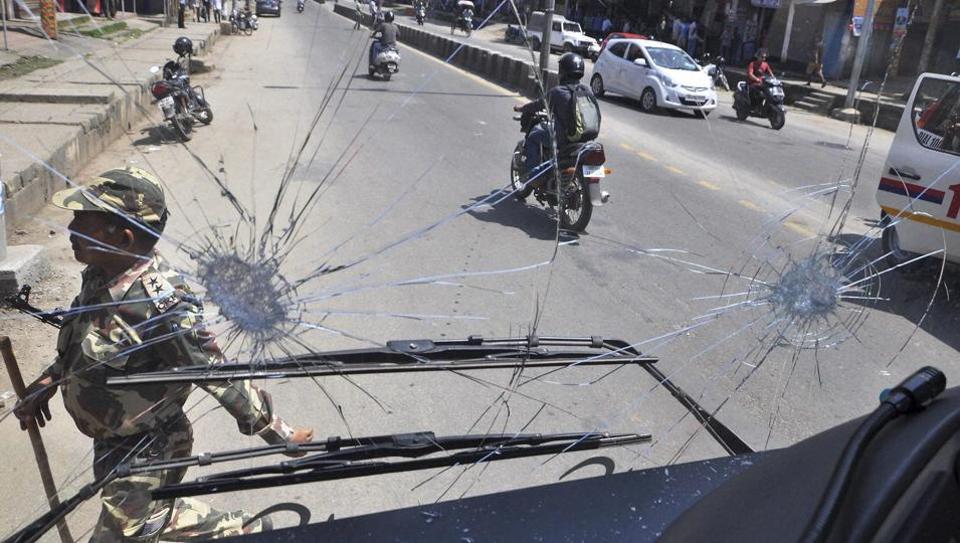
Organisations belonging to the Koch-Rajbongshi, Moran, Motok, Chutia, Tai Ahom and Adivasi tea garden workers communities have called the strike protesting the failure of the state and central governments to fulfil promise of granting tribal status to them.
Members of these communities blocked highways in several districts in upper and lower Assam by burning tyres, preventing movement of vehicles and closing down shops and business establishments since 5am.
Prior to the 2014 Lok Sabha elections, Prime Minister Narendra Modi promised ST status to these communities once the Bharatiya Janata Party to came to power. It was reiterated by the BJP before assembly polls last year.
But with nothing happening, despite the saffron party coming to power in New Delhi and in the state, the communities under the banner of Soi Jonogusthi Oikyo Manch has been organising strikes since last year.
According to the tribal affairs ministry, it follows the process, which involves getting an approval from the ST commission and the Registrar General of India, before getting a sanction of Parliament. Sources, however, said there is no denying the role of political parties in pushing for certain communities.
Granting ST status to these communities will render Assam a tribal majority state and would entitle it to special safeguards, which under present circumstances, might be the only way out to resolve the state’s problems arising out of reported large-scale immigration from nearby Bangladesh which has already hit Assam’s demography.
If granted reservation, the number of assembly seats reserved for tribals is expected to jump from the existing 16 to about 85-90 in the 126-seat state assembly by way of fresh delimitation of assembly constituencies.