
 E-Paper



5 hospitals approved to join WHO’s Solidarity Trial to find treatment for Covid-19
The health facilities need to get regulatory approval from the Drug Controller General of India (DCGI) and have to be registered on the Clinical Trial Registry of India (CTRI) for this.

 Prefer HTon Google


Five hospitals, two from Ahmedabad and one each from Chennai, Jodhpur and Bhopal, have so far been approved to conduct randomised controlled clinical trials under WHO’s Solidarity Trial to find an effective treatment for Covid-19.
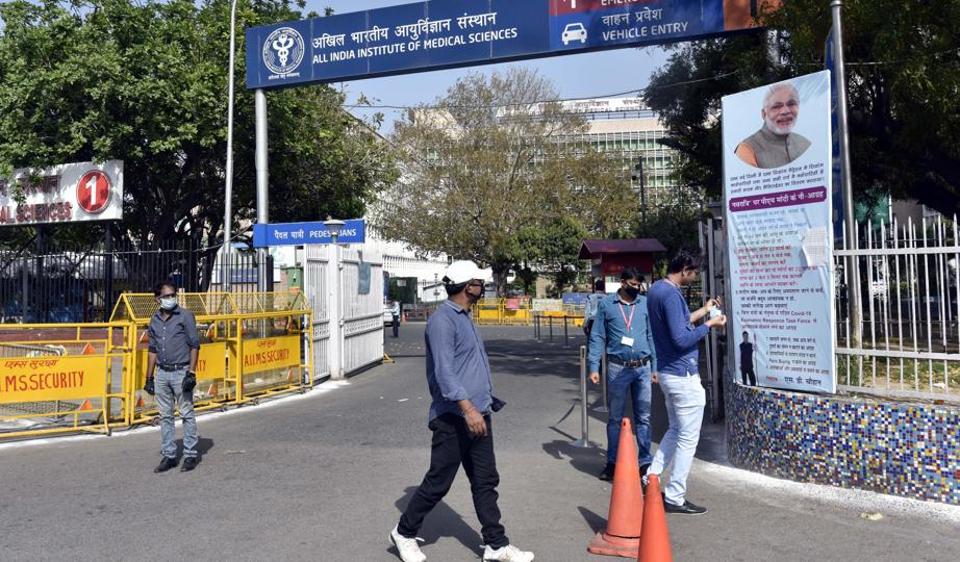
The hospitals, including the AIIMS in Jodhpur, Apollo Hospital in Chennai and the B J Medical College and Civil Hospital in Ahmedabad, will be conducting clinical trials on four treatment protocols — remdesivir, combination of lopinavir and ritonavir, hydroxychloroquine and lopinavir and ritonavir with Interferon beta-1a.
According to Dr Sheela Godbole, national coordinator of the WHO-India Solidarity Trial and head of the Division of Epidemiology at ICMR-National AIDS Research Institute, there is a plan to enrol at least 20 clinical sites across India.
The clinical trials on any of the treatment protocols would be discontinued if it showed any adverse effects on any of the patients, Godbole said. The health facilities need to get regulatory approval from the Drug Controller General of India (DCGI) and have to be registered on the Clinical Trial Registry of India (CTRI) for this.
Four of the hospitals have already begun the trial.
“We want as many patients as possible to be quickly enrolled in the randomised controlled clinical trial so that results also can come out soon,” she said, adding the sample size has to be at least 1,500 in total from all clinical sites.
Patients are being enrolled in several countries in these clinical trials to generate enough strong evidence on their efficacy to treat Covid-19 patients, Godbole said.
“The Solidarity Trial aims to rapidly discover whether any of the drugs slows the disease’s progression or improves survival. Other drugs can be added based on emerging evidence,” she said.
Godbole further said the drug remdesivir and Interferon beta-1a have been provided by the global health body to India to conduct clinical trials. US-based pharma company Gilead Sciences has donated the antiviral drug to the WHO.
Over 100 countries are working together to find effective therapeutics as soon as possible, via the Trial, according to the WHO website. The global data safety and monitoring boards will periodically be reviewing the trials and accordingly, inform the WHO.


