
 E-Paper



Apex court ruling expands the right to be forgotten and right to privacy
The order by a bench of justices Sanjay Kishan Kaul and MM Sundresh, which was pronounced on Monday but the full order uploaded only on Thursday, heeded the petition of an estranged wife who contended that the availability of the names, addresses and other personal information on the web violated her right to be forgotten, which has been acknowledged as party of the right to privacy by the top court in its landmark 2017 judgment.

 Prefer HTon Google


The Supreme Court has asked its registry to work out a mechanism so that details of a couple embroiled in a bitter marital discord can be removed from search engines and the Internet, a ruling that effectively expands the right to be forgotten and the right to privacy.
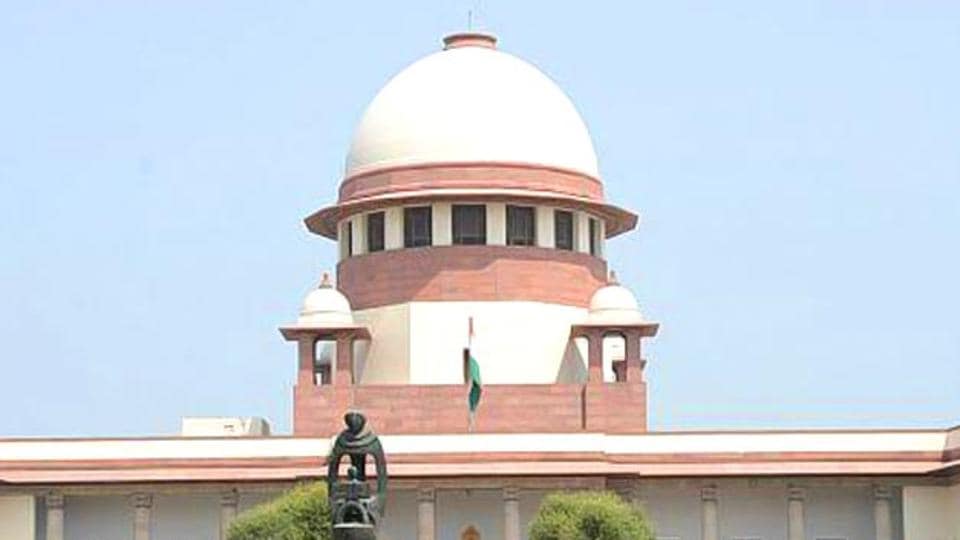
The order by a bench of justices Sanjay Kishan Kaul and MM Sundresh, which was pronounced on Monday but the full order uploaded only on Thursday, heeded the petition of an estranged wife who contended that the availability of the names, addresses and other personal information on the web violated her right to be forgotten, which has been acknowledged as party of the right to privacy by the top court in its landmark 2017 judgment.
The couple from Karnataka married in 2006 and the woman, in her complaint before police in 2016, claimed that the husband had contracted a sexually transmitted disease before their wedding but concealed it from her.
She said she too contracted the disease and accused him of rape, alleging the consent given by her was fraudulently acquired by her spouse, who hid her disease from her. The matter went to the high court, which quashed the rape case saying the law accorded immunity to husbands on the offence of rape.
Also Read | Supreme Court asks Centre to apprise of remedial measures taken by states on hate speech order
The woman challenged the decision in Supreme Court, which rejected her petition. The new petition was filed later by her, urging that all personally identifiable details about her and the case be concealed.
She pointed out that it is impossible for her to protect her privacy and live with dignity when personal details about her marriage, history of a sexually transmitted disease and other such information was readily available on the Internet. These details, she contended, were also causing mental trauma to her and to the couple’s child born in 2010, and said that keeping the husband’s name public too reveals her identity.
Accepting her plea, which was also supported by the husband, the court directed its registry to remove all pertinent details within three weeks. “We, thus, call upon the registry of the Supreme Court to examine the issue and to work out how the name of both the petitioner and respondent no.1 (woman and man) along with address details can be masked so that they do not appear visible for any search engine. The needful be done within three weeks from today by the registry,” stated the order.
This is not the first time such an order has been issued. In May 2019, the Delhi High Court, while dealing with a civil suit seeking removal of certain news reports on MeToo allegations against the managing director of a media house, said the right to be forgotten and the right to be left alone are inherent aspects of the right to privacy, and restrained republication of these news reports.
Senior advocate Geeta Luthra lauded the Supreme Court’s order, saying there must be a right to anonymity for an individual to move away from the past and build a new life. “In marital discord cases, both the husband and the wife should get a clean slate after their disputes are finally settled by courts. In some child custody cases where I have appeared, the courts have removed names of the parties so that the children cannot be identified. I believe after the law has completed its course, every individual must get a chance to start afresh.”



