E-Paper



Bimstec now focus of India’s regional ties
Bimstec was formed as Bangladesh, India, Sri Lanka and Thailand-Economic Cooperation (BIST-EC) in June 1997.

 Prefer HTon Google


When Narendra Modi takes oath as the Prime Minister on Thursday, the focus will be on a nearly 22-year-old regional grouping that India is looking to drive connectivity and development as an alternative to Saarc.
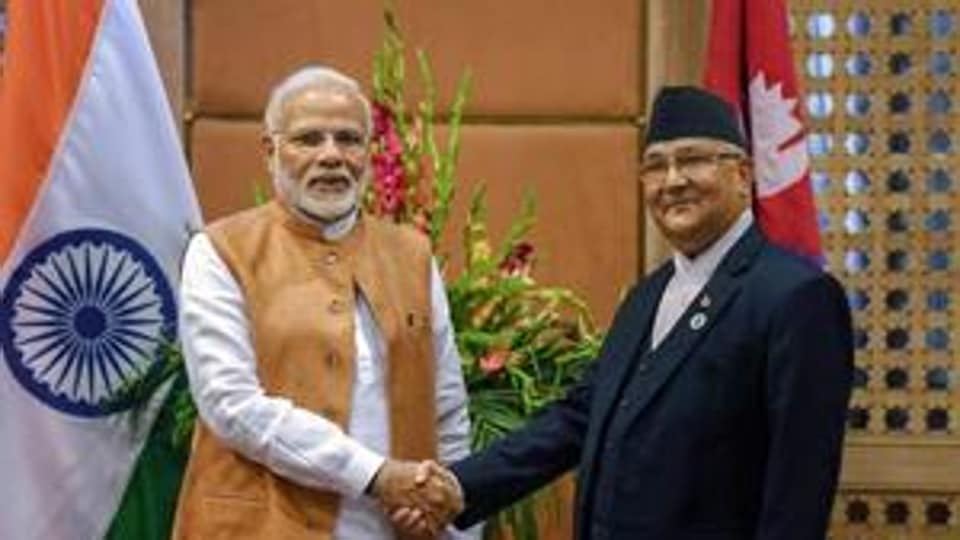
Leaders from the Bay of Bengal Initiative for Multi-Sectoral Technical and Economic Cooperation (Bimstec), which, besides India, includes Bangladesh, Myanmar, Sri Lanka, Thailand, Nepal and Bhutan, will be among the special guests invited to the swearing-in ceremony.
Over the past few years, India has begun looking at Bimstec to drive regional cooperation after the South Asian Association for Regional Cooperation (Saarc) got bogged down due to the differences between New Delhi and Islamabad. The last Saarc Summit, which was to be held in Pakistan in November 2016, stalled after India and several other countries pulled out over terror-related concerns.
Bimstec was formed as Bangladesh, India, Sri Lanka and Thailand-Economic Cooperation (BIST-EC) in June 1997.
As India’s focus continued to be on Saarc, there wasn’t much headway on Bimstec till about 2014, when the third summit was held in Myanmar and a secretariat was set up in the Bangladeshi capital of Dhaka.
Also read: The focus on BIMSTEC was long overdue
Constantino Xavier, a fellow at Brookings India who focuses on regional security and connectivity, said the invitation extended to leaders of Bimstec states to attend Modi’s inauguration was part of “India’s continued pragmatism about working with like-minded neighbours” and also emphasised the role of the Bay of Bengal as a link between South and Southeast Asia. “After what Indian officials describe as Pakistan’s obstructionism, India has looked at Bimstec for regional cooperation and connectivity. Bimstec is also where India’s ‘neighbourhood first’ and ‘Act East’ policies overlap,” he said.
However, experts believe more needs to be done to empower Bimstec to make it a more effective forum for cooperation and development. Ahead of the last Bimstec Summit in Nepal in August last year, several member states had pushed for the number of focus areas of the grouping to be cut from 14 to just five – connectivity, poverty alleviation, trade and investment, climate change and energy. “While security cooperation within Bimstec is growing, one area where the grouping has under-delivered is creating an economic agenda for the Bay of Bengal,” Xavier said.
Also read: Pakistan, left out by Bimstec invite for PM Modi oath ceremony, responds