E-Paper



Covid-19: ICMR receives clinical trial approval for animal-derived antibodies treatment
The antibodies from animals, or animal-derived sera, are also called antisera. The ICMR will be conducting clinical trials on antibodies derived from horses


The plasma therapy may not have shown any benefits during recent trials, but the Indian Council of Medical Research (ICMR), the country’s biological research regulator, has received the national drugs controller’s approval to conduct a clinical trial on animal derived antibodies against Sars-Cov-2, the virus that causes coronavirus disease (Covid-19), for the treatment of patients.
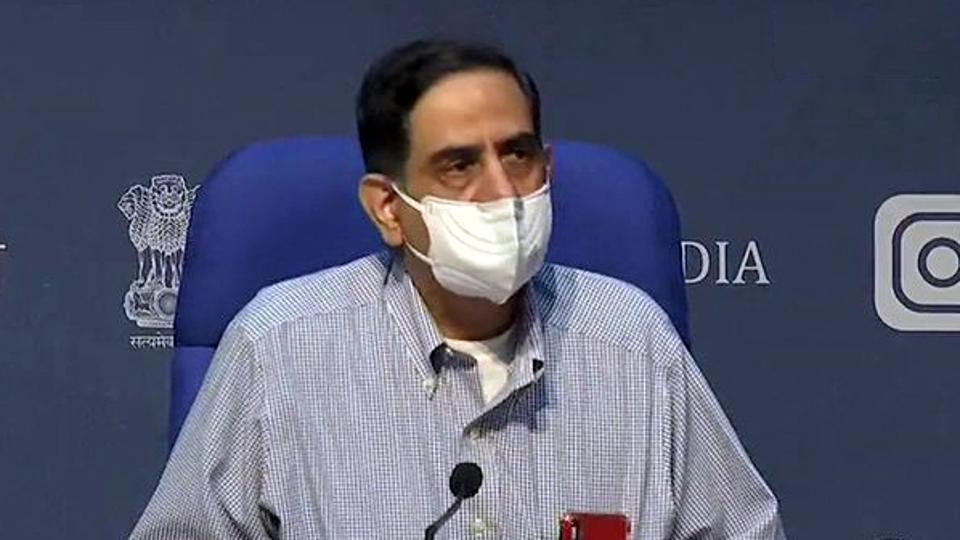
The antibodies from animals, or animal-derived sera, are also called antisera. The ICMR will be conducting clinical trials on antibodies derived from horses.
ICMR along with Hyderabad-based Biological E. Limited have developed highly purified antisera to treat Covid-19 patients.
“We have developed equine sera and developed a horse sera with Biological E, which may also be considered. We have completed some studies on horse sera, where we have a predictive dose of antibodies in an ampoule, which is a small sealed glass capsule containing the dosage that can be injected. We are awaiting a clearance for a clinical trial with the horse sera,” said Dr Balram Bhargava, director-general, ICMR, at the Union Ministry of Health and Family Welfare’s (MoH&FW) Covid-19 briefing on Tuesday.
Earlier, equine sera was tried to treat several viral and bacterial infections such as rabies, hepatitis B, vaccinia virus, tetanus, botulism and diphtheria.
“Although, plasma recovered from Covid-19 patients could serve a similar purpose, the profile of antibodies, their efficacy and concentration keep varying from a patient to another. As a result, it makes an unreliable clinical tool for Covid-19 patient management,” ICMR had earlier said in a statement.
“Standardisation achievable through equine sera-based treatment modality stands out as yet another remarkable public health initiative supported by the ICMR in the time of Covid-19,” it added.
ICMR’s study on determining efficacy of plasma therapy in treating Covid-19 patients was conducted on 464 patients across 39 hospitals in India, with at least 350 doctors participating in the study.
“…and it clearly demonstrated no benefit in reducing mortality in moderate to severe cases of Covid-19. It also did not arrest the progression of disease from moderate to severe. This was well established. This publication has been reviewed and has been accepted as a full paper in the British Medical Journal, one of the most prestigious journals in the world. At the moment, a pre-print has been published, but the entire article will be published soon,” said Dr Bhargava.
“However, following the cue from that we have developed the equine sera to be used in Covid-19 treatment,” he added.