E-Paper



Covishield shelf life extended from 6 to 9 months: Govt
Concerns regarding Covid-19 vaccine wastage were raised as SII began production of the Covid-19 vaccine before being granted emergency use authorisation for use in India on January 3.

 Prefer HTon Google


New Delhi India’s drug regulator has approved the expiry period for the Covishield vaccine to be increased from six to nine months, top officials in the government said on Tuesday.
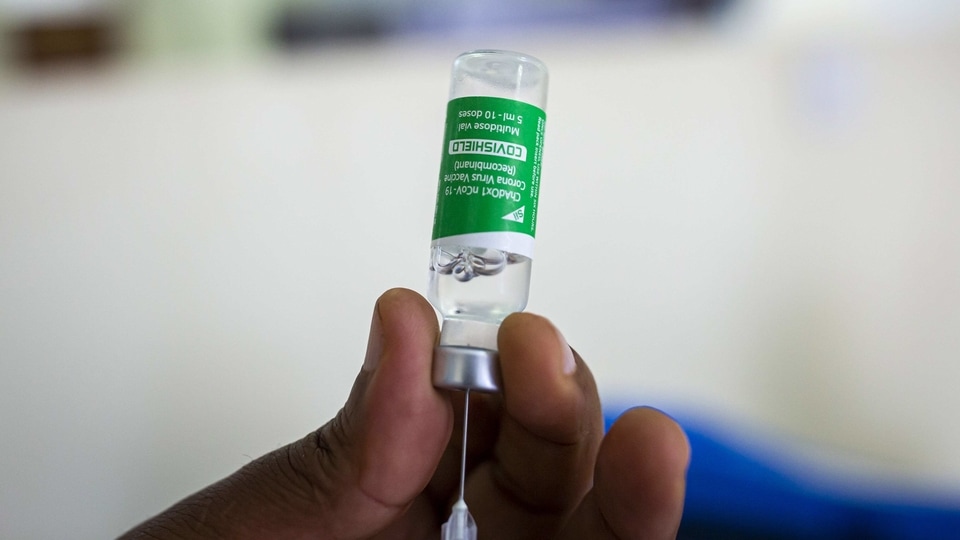
Covishield, which has been developed by Oxford-AstraZeneca against Covid-19, is locally manufactured and sold by the Serum Institute of India (SII).
“Yes, the manufacturer has been allowed to extend the expiration time period for Covishield to 9 months. The process is, when any drug or a vaccine is given emergency use authorization by the drugs controller general of India, its shelf life is determined by the stability data that is furnished by the manufacturer at that point in time when approval for an EUA is sought. As the drug or the vaccine becomes older, there is addition to the data and further extensions are given on the basis of stability and sterility data. The initial shelf-life of six months was approved based on the earlier stability data,” said Rajesh Bhushan, Union secretary, ministry of health and family welfare.
Also read | Govt to ramp up Covid-19 beds as Capital adds 992 fresh infections
Concerns regarding Covid-19 vaccine wastage were raised as SII began production of the Covid-19 vaccine before being granted emergency use authorisation for use in India on January 3. The company began manufacturing Covishield around October last year, and the product had a shelf life of six months.
However, experts at the Central Drugs Standard Control Organisation (CDSCO) said that vaccine wastage was not the criterion for extending the shelf life.
“It is not done because of reducing vaccine wastage; that is a different matter altogether. Approving increase of shelf life is done under a due process based on the stability data that a manufacturer furnishes at the time of seeking emergency use approval and updating it at subsequent intervals such as 9 months, 12 months or even more depending on the type of product, and the duration for which it is in use,” said a CDSCO official, requesting not to be identified.
“The data is analysed by experts to see if the efficacy of the product continues to remain the same during the extended interval. In future as the product gets older, if the company provides updated stability data for seeking further increase in expiration period, the experts will consider that too,” said the CDSCO official.
The government on Tuesday reiterated that both Covid-19 vaccines approved for use in India -- Covishield and Covaxin -- are safe and effective against mutant variants of Sars-CoV-2.
“Both Covishield and Covaxin vaccines are effective against the UK and the Brazilian variants of coronavirus, while the work against the South African strain was on at several laboratories,” said Dr Balram Bhargava, director general, Indian Council of Medical Research (ICMR).
Of 11,064 genome samples sequenced in the country, the UK variant of the virus was detected in 807, the South African variant in 47 and the Brazilian variant was found in one.