
 E-Paper



E10 petrol may make a comeback - but as a premium fuel: Report
The proposal comes amid persistent concerns among motorists about the impact of E20 petrol on older vehicles and fuel economy.

 Prefer HTon Google


The government is exploring whether premium petrol brands such as Indian Oil’s XP95, Bharat Petroleum’s SPEED and Hindustan Petroleum’s Power95 can be sold with a 10% ethanol blend, as it looks for a way to offer an E10 option to owners of older vehicles without creating separate fuel infrastructure, according to an exclusive report by LiveMint.
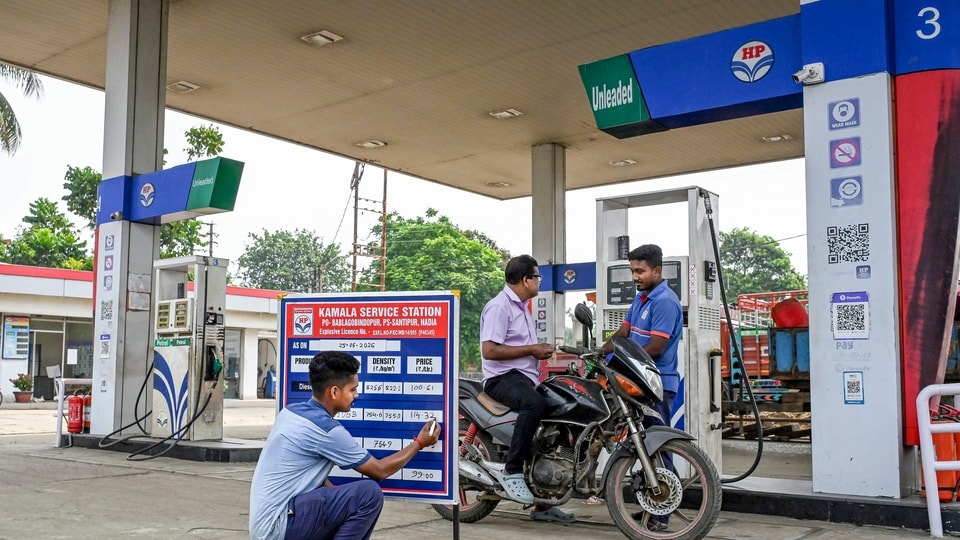
The petroleum ministry is discussing the proposal with state-run oil marketing companies (OMCs) Indian Oil Corporation, Bharat Petroleum Corporation and Hindustan Petroleum Corporation, three people aware of the discussions told Mint. The discussions are at an early stage and no final decision has been taken, the report said.
The proposal comes amid persistent concerns among motorists about the impact of E20 petrol on older vehicles and fuel economy. E20 contains 20% ethanol and is now the standard petrol blend at fuel stations across India.
Under the proposal being examined, premium 95-octane petrol could be offered as E10, giving owners of older vehicles access to a lower-ethanol fuel while using infrastructure that is already available for premium petrol.
“Options are being looked at in order to offer the more appropriate E10 fuel for older vehicles and allay the consumer concerns,” one person cited by Mint said. The person added that 95-octane petrol, which is sold at a premium, is among the options being considered.
A second person said the government and OMCs were assessing whether consumers would prefer a premium E10 fuel or a cheaper, regular E10 option.
Why E10 is back in focus
The discussions follow growing public concern over E20, particularly among owners of older vehicles. The Centre has repeatedly maintained that E20 does not cause widespread damage to vehicles.
In July, the government said vehicles designed for E10 could see a marginal 3-5% decline in fuel efficiency with E20, while denying evidence of widespread engine failures or vehicle breakdowns attributable to ethanol blending.
However, motorists and consumer groups have continued to raise concerns about mileage and compatibility, especially for vehicles manufactured before E20-compatible models became mandatory. Hindustan Times has reported that vehicles sold before April 2023 were generally certified for E10, while concerns have been particularly pronounced among owners of older vehicles.
Ethanol has a lower energy density than petrol, meaning a higher blend can result in lower fuel efficiency. Studies and industry assessments cited by HT Auto have estimated that the mileage reduction with E20 can be higher than with E10, although the actual impact varies by vehicle and driving conditions.
The debate intensified after chief economic adviser V Anantha Nageswaran recently argued that a lower-ethanol petrol option should be restored alongside E20 to address concerns of owners of older vehicles. He advocated making E10 available at fuel stations as an additional choice.
Premium petrol as an E10 workaround
According to Mint, the proposed route could avoid the biggest logistical hurdle associated with bringing back E10 as a separate nationwide fuel stream.
XP95, SPEED and Power95 are already sold as premium 95-octane fuels. They currently contain E20, but also include additives intended to improve combustion, clean engine components and protect against corrosion.
Mint reported that these premium fuels now account for around 15% of OMC petrol sales, up from about 4% in March, as motorists concerned about E20 increasingly turn to higher-octane alternatives. The report said these fuels are available across around 90,000 public-sector petrol pumps and cost roughly ₹110-115 per litre in Delhi, compared with about ₹102 for regular petrol.
Fuel dealers said using the existing premium-petrol infrastructure could make an E10 rollout relatively straightforward.
“Providing ‘95 Octane’ branded fuels with 10% ethanol is quite easy for OMCs. No need to change tanks or delivery units,” Monty Sehgal, national spokesperson for the Federation of All India Petroleum Traders, told the publication.
Prashant Sinha, a petrol pump owner in Patna, similarly said separate chambers already exist for premium 95-octane petrol and could potentially be used for E10.
A separate E10 fuel stream, by contrast, would require additional storage and distribution infrastructure, according to fuel dealers quoted in the report.
Government has opposed multiple fuel streams
The proposal is significant because the government has previously rejected calls for petrol stations to simultaneously stock multiple ethanol blends.
In July, the petroleum ministry said maintaining separate nationwide supply chains for pure petrol, E10 and E20 would create major logistical challenges, increase handling costs and complicate inventory management. It also distinguished premium petrol from E10, arguing that premium fuels are niche products sold in limited quantities and are not separate nationwide base-fuel streams.
An E10 option through existing premium-petrol infrastructure could therefore provide a middle path: offering a lower-ethanol fuel without establishing a separate nationwide distribution network.
Consumer groups, however, have called for wider choice. Consumer VOICE managing trustee Ashim Sanyal told Mint that motorists should be able to choose fuel compatible with their vehicles, particularly older vehicles, and that any E10 rollout should be clearly labelled and widely available.
The government’s ethanol-blending programme began with a pilot in 2001 and has since expanded progressively. Ethanol blending stood at around 1.53% in 2013-14 before rising to the current E20 level.


