
 E-Paper



Goa to ban use of farm land for commercial activities
Goa's CM Pramod Sawant launched the Goa Amritkal Agriculture Policy to preserve agricultural land, banning its conversion for non-agricultural use.


Chief minister Pramod Sawant on Tuesday unveiled the Goa Amritkal Agriculture Policy, which lays out a road map for the agriculture sector with an aim to “restore, revive and preserve” the state’s agricultural heritage.
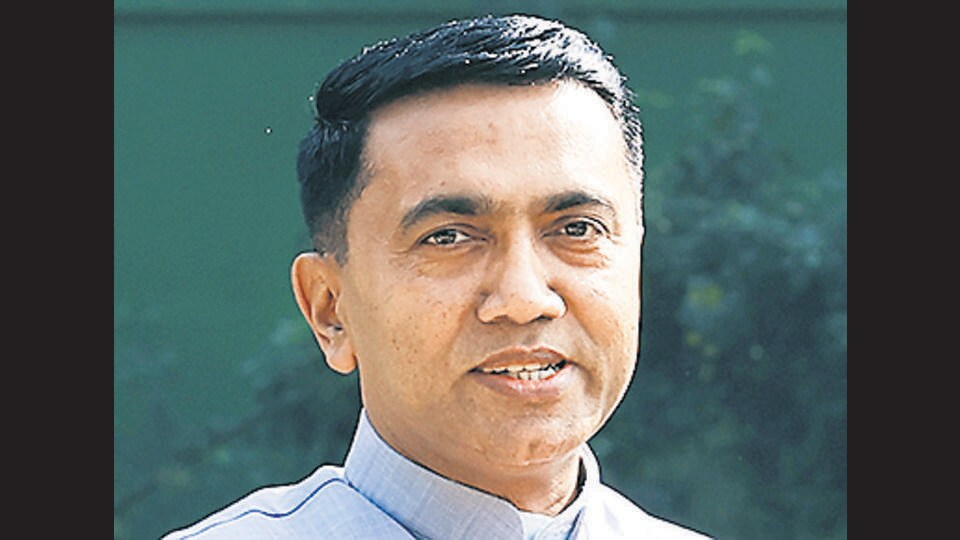
Among the highlights of the policy is a ban on the conversion of agricultural land, especially paddy fields, for non-agricultural purposes including for residential or commercial construction — a move the chief minister said would “keep Goa green”.
“The focus of the policy will be to preserve Goa’s valuable agricultural heritage. Goa’s fields need to be preserved… It is our responsibility to maintain green Goa. Even if the TCP (town and country planning) department converts paddy agricultural land, we have already passed a law that paddy agriculture land will not be converted — that will never be converted,” Sawant announced, while unveiling the policy.
The move comes at a time when Goa is witnessing a construction boom, fuelled in part by the demand for holiday homes and second homes.
In 2023, the Goa government passed a law banning the sale of agricultural land to non-agriculturists and for non-agriculture purposes in a bid to protect the state’s lush green paddy fields and thickly treed hillsides.
The Goa Amritkal Agriculture Policy, approved by the state cabinet late last week, defines rice lands as “morod”, “ker” and “khazans”, local terms for terraced, flat and reclaimed lands respectively, used to plant rice. Land described as rice, morod, ker and khazans in the revenue department’s Form I & XIV will be prevented from being converted, Sawant said.
“The focus is on protecting Goa’s valuable agricultural heritage while combining it with modern farming techniques to boost productivity and sustainability,” the CM said, adding that the policy reflects a commitment to resilient farming practices to protect agriculture in Goa from the effects of the climate crisis and ensuring its long-term sustainability, while also reviving khazan cultivation by building bunds and creating soil patterns that are better suited for farming.
Around 40% of Goa’s land is agricultural (including orchards) of which, around 22% is under annual crops such as rice and vegetables. Only 10% is available for construction while the rest is forest (protected/reserve/private) including national park and wildlife sanctuaries amounting to 34.63% of land, coastal lands, which amounts 10.8%, water bodies including rivers, lakes which accounts for 5.32%.
The policy also puts a focus on promoting agro-tourism by allowing farmers with at least 4,000 square metres of land to participate. To this end, strict zoning rules will be put in place to designate specific areas for agro-tourism, farmer field schools, and demonstration farms.
State agriculture minister Ravi Naik said that the aim of the policy was to help farmers keep cultivating their fields rather than put the land to other use thereby threatening the state’s agricultural heritage. “The policy is to give all possible help to the farmers. Goa will remain green and a majority of land in Goa will be saved from conversion,” he added.
“The intent of the policy is good, but if it only remains on paper, we will be back to square one. The problems in Goa’s agriculture sector have been accumulating for years and cannot be solved overnight,” Elsa Fernandes, president of Khazan Society of Goa, said.
“The best approach would be to have a bottom-up approach where solutions for agricultural revival can be found at the local level rather than in the boardroom,” she added.


