E-Paper



Herbicide paraquat dichloride, used for quicker ripening of green gram, banned in India; MP issues orders
Madhya Pradesh agriculture department director Umashankar Bhargava said action will be taken against companies and dealers if any stock or sale is found

 Prefer HTon Google


The Central government has banned the use of paraquat dichloride, a herbicide for summer green gram (moong dal), following which the Madhya Pradesh state government issued an order to this effect on Thursday.
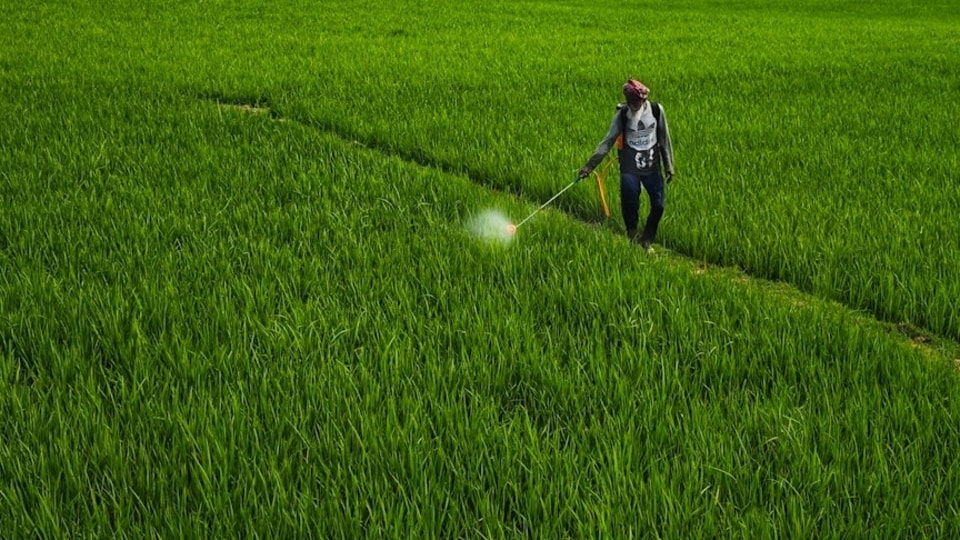
Madhya Pradesh agriculture department director Umashankar Bhargava said action will be taken against companies and dealers if any stock or sale of the herbicide is found
“Instructions have been given to companies and dealers to destroy all the stock scientifically. Action will be taken against them if any stock or sale of the herbicide is found. Farmers also can’t use it any more, and they would be made aware of the ban,” Bhargava said.
In MP, the herbicide was used to expedite the harvesting of summer moong, which grows in over 12 districts as a third crop. This chemical ensures ripening in 72 to 90 hours, said the officer.
The herbicide is already banned in over 70 countries worldwide, citing health hazards among consumers.
Krishi Vigyan Kendra senior scientist GS Chundawat said, “This is a good decision, as the use of paraquat dichloride is for non-agricultural land, but a few people are using it for bumper production of the moong. Many studies suggest that paraquat is highly dangerous for the human liver and kidneys. Now, the government should also check the use of insecticides on vegetables and fruits.”
In July 2025, the Madhya Pradesh government decided to scrap summer moong procurement at the Minimum Support Price (MSP) due to concerns about the use of weedicides and herbicides.
The then additional chief secretary of the agriculture department, Ashok Varnwal, who is now chief secretary of MP, said that the government can't promote crops grown with chemicals by procuring them at MSP.
“Many agricultural scientists have alerted us to the risks of using herbicides to increase greengram production in MP,” he said at the time.
Following the farmers’ protest, the government changed its stance and procured the summer moong.