
 E-Paper





Follow the latest breaking news, major developments and agenda-setting stories from India and around the world with the newsdesk at Hindustan Times. Operating round the clock, the desk brings together experienced editors, reporters and correspondents to deliver fast, accurate and contextual reporting across subjects that influence public policy, governance, business, society and international affairs. The HT News Desk covers politics, elections, government policies, the economy, business and markets, science and technology, the environment, law and order, infrastructure, education, climate issues and geopolitics, while closely tracking developments across states, institutions and global capitals. The team also leads coverage of major breaking news events, policy announcements, court proceedings, natural disasters, public emergencies and significant international developments. Reports published by the newsdesk are based on information gathered from reporters on the ground, official statements, government agencies, court records, regulatory filings, recognised institutions and other authoritative sources. Stories undergo editorial scrutiny and verification processes to ensure accuracy, fairness and relevance, and are updated as events evolve and additional information becomes available. Whether covering a key political decision in New Delhi, an economic policy shift affecting millions, a landmark court ruling or a major global event, the HT News Desk aims to provide readers with reliable, fact-based journalism that delivers not only the latest developments but also the context and analysis needed to understand their wider implications.
Human trials of Covaxin, India’s first Covid-19 vaccine, to begin soon: All you need to know
ICMR had written to 12 institutes where human trials are to be held for the vaccine, Covaxin, ordering them to secure necessary approvals from internal committees and recruit people for clinical tests by July 7


India’s first potential indigenous coronavirus disease (Covid-19) vaccine, Covaxin, has been jointly developed by the Indian Council of Medical Research (ICMR) and Bharat Biotech International Limited (BBIL).
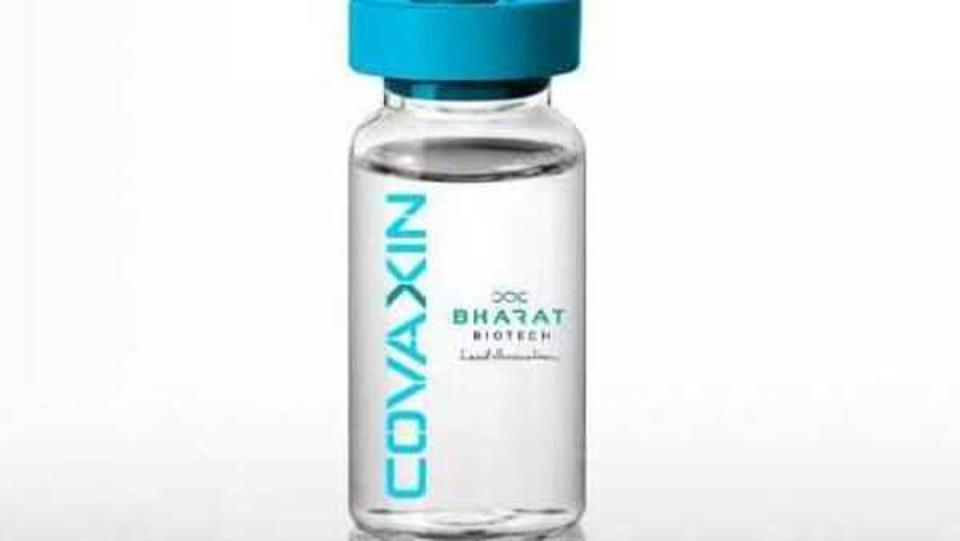
ICMR had written to 12 institutes where human trials are to be held for the vaccine, Covaxin, ordering them to secure necessary approvals from internal committees and recruit people for clinical tests by July 7 with a warning that “non-compliance will be viewed very seriously”.
Follow latest updates on coronavirus here
Hyderabad-based Bharat Biotech is among the seven Indian firms working on Covid-19 vaccines. It was the first to get the regulatory nod to begin phase 1 and phase 2 human trials to test the vaccine for efficacy and safety.
Zydus Cadila has also got an approval from the Drugs Controller General of India (DCGI) for human clinical trials for ZyCov-D, its indigenously developed vaccine candidates against Sars-Cov-2, which causes Covid-19.
Before the two Indian vaccines, Covaxin and ZyCov-D, 18 experimental Covid-19 vaccines are in various phases of human trials across the world.
One of the leading candidates is AZD1222, which has been developed by the Jenner Institute of University of Oxford and licensed to AstraZeneca, a British-Swedish multinational pharmaceutical and biopharmaceutical company.
Click here for complete coronavirus coverage
Behind AZD1222 is the MRNA-1273 vaccine developed by Kaiser Permanente Washington Health Research Institute and taken up for production by the US-based Moderna pharmaceutical.
AstraZeneca and Moderna have already entered into an agreement with Indian manufacturers for production of the Covid-19 vaccines.
What are clinical trials?
Clinical trials involve inoculating people with an experimental vaccine to test whether it is safe and effective, a process that, on average, takes at least 10 years.
According to the World Health Organization (WHO), people volunteer to take part in clinical trials to test medical interventions, including drugs, cells and other biological products, surgical procedures, radiological procedures, devices, behavioural treatments and preventive care.
Clinical trials are carefully designed, reviewed and completed, and need to be approved before they can start, WHO says.
People of all ages can take part in clinical trials, including children.
What are the four phases of clinical trials?
* Phase I studies usually test new drugs for the first time in a small group of people to evaluate a safe dosage range and identify side effects.
* Phase II studies test treatments that have been found to be safe in phase I but now need a larger group of human subjects to monitor for any adverse effects.
* Phase III studies are conducted on larger populations and in different regions and countries and are often the step right before a new treatment is approved.
* Phase IV studies take place after country approval and there is a need for further testing in a wide population over a longer timeframe.
(Source: WHO)


