
 E-Paper



India’s outreach to West Asia: Army chief Naravane to visit Saudi Arabia, UAE
The visit is being seen as a testimony to New Delhi’s commitment to warming ties between India and the Gulf countries. Here’s everything you need to know about his Army chief MM Naravane’s visit

 Prefer HTon Google


Indian Army chief Manoj Mukund Naravane will start his four-day visit to Saudi Arabia and the United Arab Emirates on Sunday. The visit is being seen as a testimony to New Delhi’s commitment to warming ties between India and the Gulf countries. While Naravane’s visit to Saudi Arabia is the first such visit by an Indian Army chief, his visit to the UAE comes close on the heels of a visit by foreign minister S Jaishankar to Bahrain and the UAE during November 24-26.
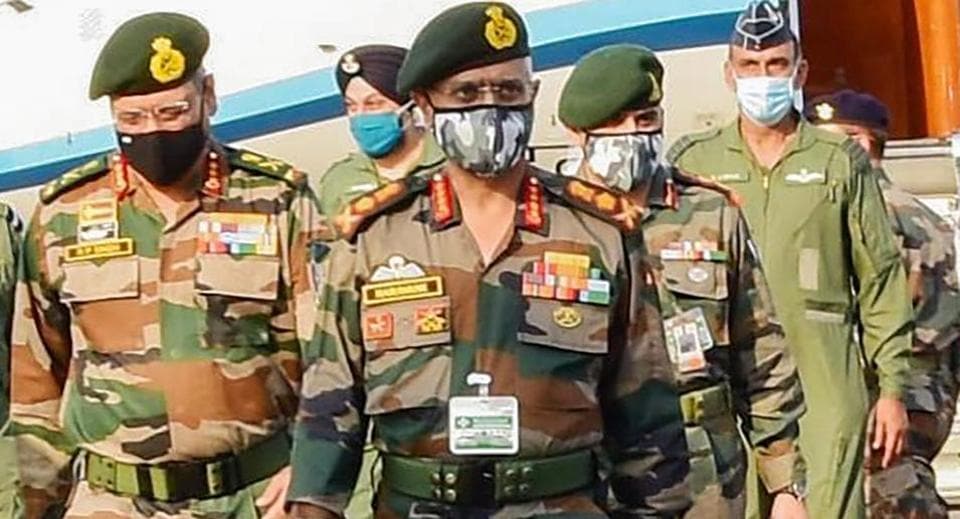
Here’s everything you need to know about his Army chief MM Naravane’s visit:
1. This visit will be Naravane’s third foreign trip this year during which he will meet his counterparts and other senior officials in these countries. Naravane is set to travel first to Saudi Arabia, where his engagements will include an address at the Saudi National Defence College. He will then travel to the UAE, whose defence ties with India have been expanded in recent years.
2. Both the West Asian countries are home to a majority of the nine million Indian expatriates in the region.
3. The visits are being seen as part of India’s outreach to West Asia, which is seen by New Delhi as part of its “extended neighbourhood”. This outreach has dramatically expanded defence and security cooperation, especially counter-terrorism, in recent years.
4. The visit comes against the backdrop of the UAE, Bahrain and Sudan normalising relations with Israel and Iran’s efforts to position itself as a key player in West Asia. India has welcomed the normalisation of ties between Arab states, saying that such moves are in line with its efforts to back peace and development in West Asia.
5. The upswing in ties between India and the Gulf countries also comes amidst a cooling of ties between Saudi Arabia and the UAE and Pakistan. In August, Pakistan’s foreign minister Shah Mehmood Qureshi expressed his displeasure at Saudi Arabia, once Pakistan’s strong ally, for failing to convene a special meeting of the Organisation of Islamic Cooperation (OIC) on the Kashmir issue.
6. Angered by this, Saudi Arabia recently sought the early repayment of a $3-billion loan provided to Pakistan in 2018. Pakistan’s Prime Minister Imran Khan then attempted to forge a new grouping of Islamic countries with Turkey and Malaysia – a move that further irked Riyadh.


