
 E-Paper



Is Beijing sending a message through Wang on restoring ties?
Chinese foreign minister Wang Yi may carry a message from Beijing to push the frozen bilateral relationship towards normalization.

 Prefer HTon Google


External Affairs Minister S. Jaishankar and National Security Advisor Ajit Doval are expected to hold a candid conversation with visiting Chinese foreign minister Wang Yi today on the state of bilateral relations and how to bring it back to pre-May 2020 days.
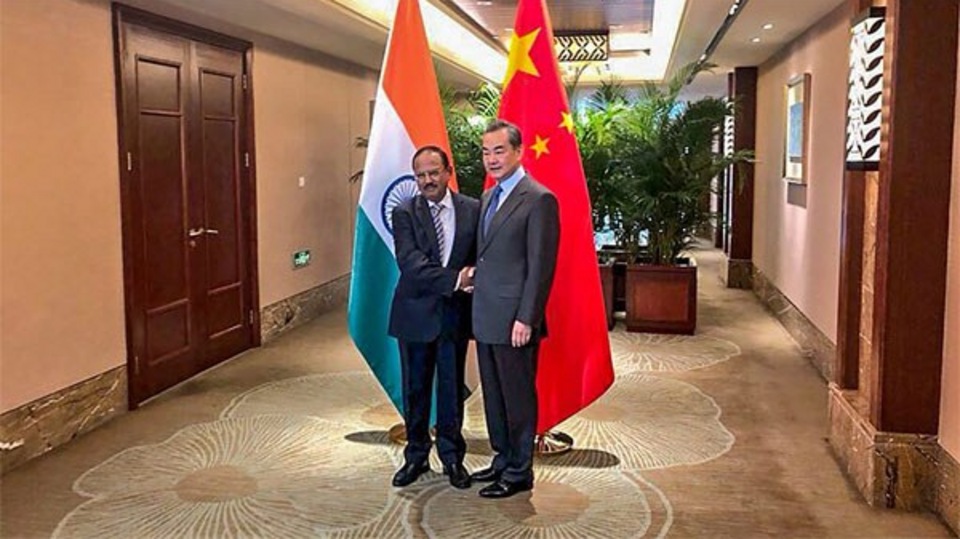
While no dramatic breakthroughs are expected when civilizational states like India and China talk, the Indian side would like to hear from Minister Wang new proposals to revive the bilateral relationship, which was dumped into cold storage by PLA unilateral aggression in East Ladakh two years ago. Since that time India has maintained that the road to revive the bilateral ties runs through peace and tranquil Line of Actual Control---the bottom line of the relations with China.
Unlike the previous regimes, the Narendra Modi government has displayed both patience and determination in dealing with a rising global power like China. Guided by PM Modi, EAM Jaishankar and NSA Doval understand Chinese history and have tremendous patience in cutting through profound sentences and ostensibly lofty objectives of Chinese diplomacy. The Chinese design that New Delhi and Beijing should not get dragged by May 2020 and move to bigger goals does not cut ice with Indian interlocutors as Beijing pursues its own strategic goals with a steely determination whether it is imposing the already rejected 1959 line on Ladakh LAC or Arunachal Pradesh.
Minister Wang’s statement at OIC in Islamabad on Kashmir was a cold and ruthless exposition of Chinese diplomacy and objectives in the Afghanistan-Pakistan region. That not a word was spoken against China by the self-appointed leaders of the Islamic world on brutal repression of Uighur Sunni Muslims in Xinjiang is a tribute to Beijing’s growing power and Minister Wang should take the credit for it.
Just as Minister Wang is focused on carrying the Chinese agenda forward, the Indian interlocutors are also totally clear-headed in their resolve with both EAM and NSA absolutely on the same page on India’s strategic objectives and complementing each other.
While the two sides are expected to discuss the return of Indian students and divided families to China as part of the humanitarian objectives, the real forward movement in bilateral ties will come if PLA restores April 2020 status quo ante on Ladakh LAC as this would lead to disengagement and de-escalation of the deployed forces. As of now, the PLA disengagement from patrolling point 15 or Kongka La will boost the bilateral confidence of both sides.
Fact is that there has been forward movement on LAC albeit in months after Minister Wang and EAM Jaishankar met in Moscow in September 2020 and late in Dushanbe in September 2021. No compromises are expected from both sides today as India and China have defined core interests and both understand that the other will go to any lengths to pursue them.


