
 E-Paper



SFJ radical Multani arrested in Germany for Delhi and Mumbai terror plots
Previously a resident of Hoshiarpur in Punjab, 45-year-old Jaswinder Singh Multani is a close associate of SFJ founder Gurpatwant Singh Pannu, and is involved in separatist activities, an official said on condition of anonymity.

 Prefer HTon Google


Police in Germany have arrested Jaswinder Singh Multani, a prominent member of the banned outfit Sikhs for Justice (SFJ), for his involvement in a blast in a Ludhiana court last week, and for hatching a conspiracy to target locations in Delhi and Mumbai, people aware of the matter said on Monday.
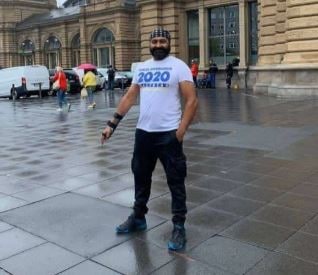
According to diplomats based in Bonn and New Delhi, Multani was picked up by the Federal Police from Erfurt in central Germany after the Narendra Modi-led government requested German authorities to arrest the pro-Khalistan radical who has links to Pakistani, and has been involved in smuggling of arms and ammunition from across the border into Punjab.
Previously a resident of Hoshiarpur in Punjab, 45-year-old Multani is a close associate of SFJ founder Gurpatwant Singh Pannu, and is involved in separatist activities, an official said on condition of anonymity.
A bomb went off in the district courts complex in Ludhiana on December 23, killing one person and injuring six others, triggering a high alert in the state.
Also read | Pak based Khalistani radical is the real face of Ludhiana blast
Multani recently showed up on security agencies’ radar for arranging and sending weapons consignments comprising explosives, hand grenades and pistols from across the border with the help of Pakistan-based operatives, the official quoted above said.
He also said that Multani was planning to carry out terrorist activities in Punjab by using the smuggled consignments.
The arrest took place after the Modi government intervened at the highest diplomatic levels with their German counterparts about Multani’s involvement in a conspiracy to target cities like Delhi and Mumbai, the official cited above said.
On February 7, the Punjab Police arrested four people belonging to Tarn Taran, Amritsar and Ferozepur and recovered eight countrymade pistols along with ammunition. The arrested people procured the illegal arms to carry out radical activities in Punjab, police said.
The police later arrested another man named Jeevan Singh, who was radicalised by Germany-based pro-Khalistan leader Multani on social media to target key farmer leader Balbir Singh Rajewal, the official quoted above said.
Multani also sent funds to Singh for arranging locally made weapons for targeting Rajewal, who is the president of the Bharatiya Kisan Union-Rajewal.
In August, Multani also radicalised another man from Tarn Taran through social media and arranged two hand grenades for criminal activities, the official said.
Punjab director general of police Siddharth Chattopadhyaya on Saturday said the dismissed head constable killed in the Ludhiana court blast, Gagandeep Singh, had links with pro-Khalistan elements and terror outfits, and some Pakistan-based entities could be behind the incident.


