E-Paper



More IITs likely to offer B Cyber next year, JEE Mains to be dropped for admission
The premier institutes plan to drop the JEE Mains and introduce an aptitude test and a hackathon-based selection process

 Prefer HTon Google


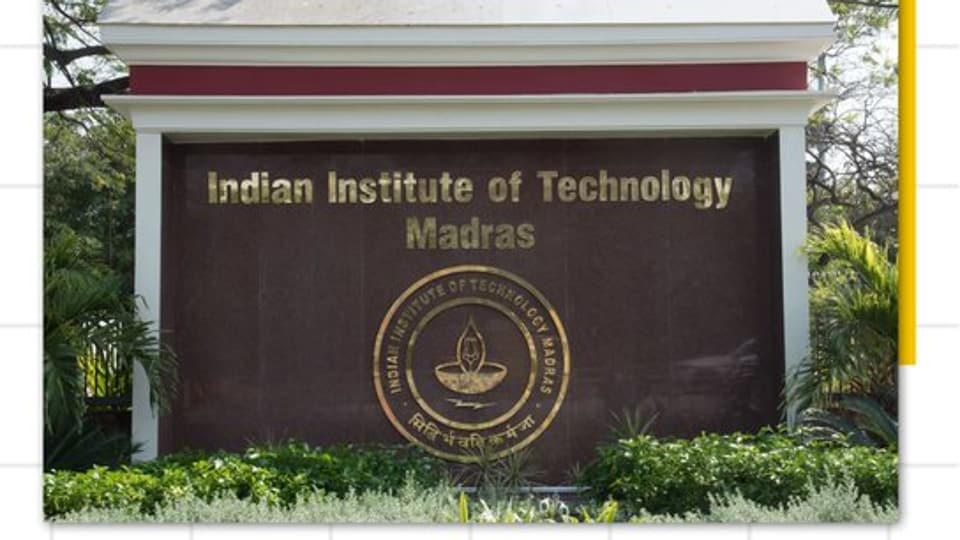
Three to four more Indian Institutes of Technology (IITs) are likely to offer the undergraduate B Cyber programme next year, significantly expanding the specialised cybersecurity course, even as the premier institutes plan to drop the Joint Entrance Examination (JEE) Mains as an admission route and introduce an aptitude test and a hackathon-based selection process. IIT Kanpur and IIT Madras launched the course this year.
“We want to do away with the JEE Mains from next year,” said IIT Kanpur’s Wadhwani School of Artificial Intelligence and Intelligent Systems professor Somitra Sanadhya and the B Cyber programme proposer. “We intend to have an aptitude test in the initial phase and screen the students via that. Then we call a few hundred people, maybe in a few IITs, who are participating and organise a hackathon to select the candidates.”
IIT Kanpur offered 40 seats and IIT Madras 50 for the four-year B Cyber programme this year. The institutes could not fill all seats and admitted 52 students (32 at IIT Kanpur and 20 at IIT Madras).
Sanadhya said both institutes hope to fill all the seats next year. Other IITs, including both newer and older institutes, are currently discussing offering the programme.
Sanadhya said by the time next year’s entrance test is held, three to four more IITs are highly likely to be part of the initiative. That total number of seats could eventually be around three times the current level, Sanadhya added.
The proposed aptitude test will focus on problem-solving and basic computer science skills such as programming and networking. The syllabus is under discussion. The final syllabus and examination schedule are expected to be announced in the next three to four months. This year, JEE Mains was used only as an initial cut-off, followed by a hackathon.
The expansion is proposed because concerns remain over the shortage of trained cybersecurity professionals.
Nitin Saxena, inaugural Wadhwani School dean, said the programme was created to bridge the gap between the rising cyber incidents and the country’s capacity to produce cybersecurity talent. “In India, since we have started with such a low number of cybersecurity professionals and cybersecurity degrees, cybersecurity is still taking hold in a formal sense,” Saxena said.
He estimated that the cybersecurity market could grow by around 15% annually over the next five to 10 years. Saxena said premier institutes will not be able to have the number of students at the same rate, which means there will still be a gap in the next decade between what the industry and national security require and what institutes will provide in terms of human resources. He added this shortage could translate into strong opportunities for graduates. “There will be a lot of demand and competition to attract them. They will get decent salaries,” he said.
The curriculum combines cybersecurity, computer science, AI and systems courses. Students will gain practical experience through projects and internships with government organisations and the private sector.
Saxena said the programme is designed for students interested in understanding systems rather than only theory, with AI forming an important component. “This is not just cybersecurity. There are also a lot of things which are associated with AI and which will be used in the next decade.”