
 E-Paper



DGCA's fresh guidelines, special training to avoid chopper crashes in Himalayas
“The DGCA has introduced an additional hill check for pilots operating to helipads at 10,000 ft from this yatra season,” said an official


New Delhi: Pilots flying helicopters in the Himalayas will receive specialised training based on a new, more stringent set of rules to avert frequent accidents in the mountainous region, India’s aviation regulator told HT.
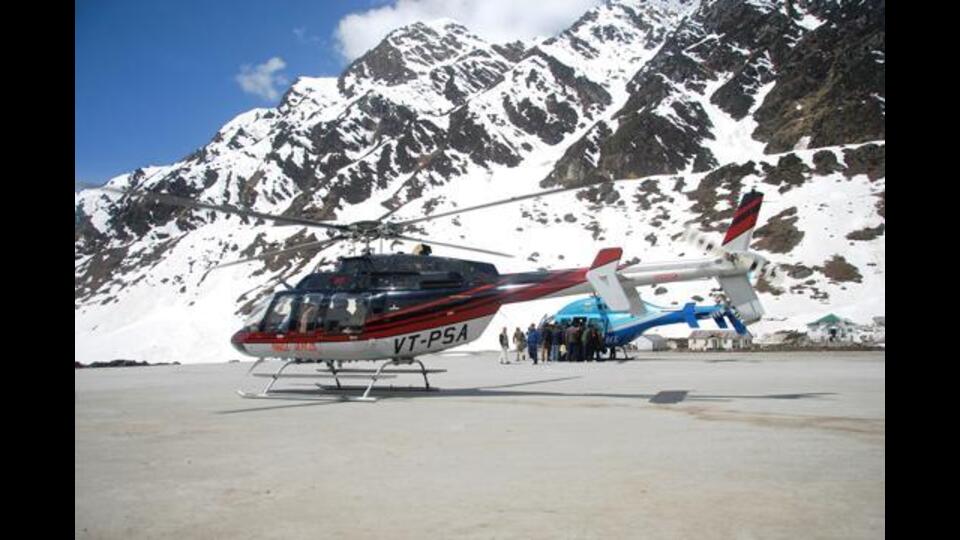
“Keeping in view of the incidents and a fatal accident that took place in 2022 , the DGCA has instituted various additional measures this year to ensure safety of operations,” an official of the Directorate General of Civil Aviation said, declining to be named.
A chopper crash near the Kedarnath shrine in the Garhwal Himalayas in Uttarakhand killed six pilgrims and the pilot in October last year.
Ensuring flight safety in hilly areas has been a recurring concern, with the Kedarnath area alone reporting at least nine helicopter crashes between 1990 to 2019. In June 2013, three choppers crashed while conducting rescue operations during the 2013 Kedarnath tragedy, killing 23 people, including Indian Air Force personnel.
Read: Army chopper crashes near Kishtwar in Jammu and Kashmir, pilots injured
In July 2013, a pilot and a co-pilot of a private chopper were killed as it crashed minutes after taking off from flood-hit Kedarnath. In April 2018, one person was killed and three others injured when an air force cargo helicopter caught fire while landing in Kedarnath.
“The DGCA has introduced an additional hill check for pilots operating to helipads at 10,000 ft from this yatra season,” an official of the civil aviation ministry said, wishing to remain unnamed. “This is being done to ensure that pilots operating to helipads at such high altitudes are trained and checked for safe operations in the same conditions, thereby enhancing safety.”
Four Hindu shrines in Uttarakhand, known as Char Dham, are a popular pilgrimage undertaken between May and September every year. Kedarnath is one of them. All four shrines are located at high altitudes where weather conditions can change rapidly.
“The yatri (pilgrim) footfall this year has been very large and already a total of around 4,200 shuttle flights involving transportation of around 23,000 passengers have been flown in the period from April 25 to 19 May, although the weather during this initial period has been particularly bad as compared to previous years ,” the ministry official said.
Read: Army helicopter Cheetah crashes in Arunachal, both pilots dead
Explaining the importance of introducing the hill check, Uday Gelli, president of Rotary Wings Society of India, a non-profit professional society, said that it requires special skills to operate helicopters as air density starts declining at high altitudes.
“Handling helicopters for take-off and landing requires special skills. When helicopters are being operated at maximum permissible weights at those altitudes, pilots are prone to make mistakes if they do not have sufficient high altitude flying experience,” Gelli said. “Therefore, it is a step in the right direction that pilots should be checked out for operating above 10,000 ft.”
“Merely having flown in high altitudes decades earlier does not mean that a pilot is proficient. Such pilots with long breaks and not much experience at high altitudes should go for refresher training with experienced and current pilots,” he added.
The aviation regulator has also mandated utilising the Activation of Airborne Image Recording System (AIRS), an image recording system installed in a particular type of helicopter. “However, not all helicopters do not possess this system,” an official said.
AIRS records the flying instrument indications and other parameters by video recording the cockpit and by recording certain parameters using GPS. The mandatory activation of this system in those helicopters equipped with this system allows the benefit of post flight analysis of flight parameters, ensuring compliance to standard operating procedures by pilots.
This year, the Kedarnath pilgrimage started on April 25. Helicopter shuttle services also began on the same date by seven operators approved by the directorate after an inspection conducted from April 20- 23. The regulator plans to follow up on these additional measures by regular spot checks during the pilgrimage season, officials said.
“These spot checks are unannounced visits by DGCA inspectors to recheck compliance of the SOPs and all other relevant regulations by the operators,” said the DGCA official cited earlier. “Such spot checks ensure continued oversight on the flying operations by DGCA, and ensure a higher level of safety.”
The Uttarakhand government, along with the DGCA, has also installed nine CCTV cameras around each helipad in Guptkashi to Kedarnath in Rudraprayag district to closely monitor air operations.


