
 E-Paper



Nirav Modi may appear in UK court via videolink
Formal hearings in Modi’s extradition case — called “case management hearing” – will begin on March 29, when his defence team is likely to seek bail again.


Indian diamantaire Nirav Modi, currently lodged in the Wandsworth prison in Southwest London, is likely to appear in the Westminster Magistrates Court on March 29 via video conference, just as several individuals facing extradition charges do so.
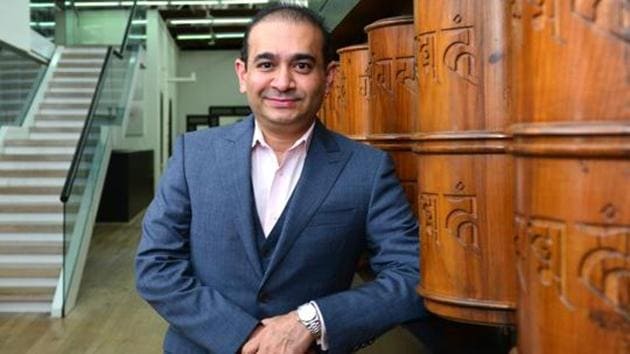
Nirav Modi, 48, who was arrested last Tuesday, was sent to the overcrowded prison in south-west London after being denied bail when he was produced in the magistrates court the next day, despite offering 500,000 pounds as security deposit.
Formal hearings in Nirav Modi’s extradition case – called ‘case management hearing’ – will begin on March 29, when his defence team is likely to seek bail again. Unlike Modi, other individuals sought by India, such as Vijay Mallya, Sanjeev Chawla, Ravi Shankaran, were granted bail in ongoing and previous cases.
The court, which deals with several extradition cases every day, is also hearing the case of suspected Dawood Ibrahim aide Jabir Motiwala, who is facing extradition to the United States to answer charges related to money-laundering, among others.
Motiwala has so far appeared in the court via videolink, by which the individual can follow proceedings in the court and the court can also interact with him. His next hearing is likely to be held in April.
From rubbing shoulders with the world’s elite in Davos or with Hollywood celebrities linked to his jewellery business, it is a veritable change of scene for Modi in the Wandsworth prison, one of the largest in western Europe.
Built in 1851, the prison currently holds over 1,600 inmates. The last unannounced inspection by the chief inspector of prisons raised several concerns about the conditions inside.
“The living conditions at Wandsworth were what we see all too frequently in older, overcrowded prisons. Cells designed for one prisoner were occupied by two, with poorly screened lavatories and the prisoners confined in them for far too long each day”, the chief inspector said in the report.
The report found that 36% of the prisoners were receiving psycho-social help for substance misuse problems. As many as 42% of the men were locked in cells during the day because there were only enough full-time activity places for around a third of the population.
“In essence, there were too many prisoners, many with drug-related or mental health issues, and with not enough to do”, the report added.


