E-Paper



OPDs in Delhi’s Ganga Ram to reopen from July 1
Sir Ganga Ram hospital will reopen its outpatient clinics July 1 onwards, with precautions to prevent the spread of the coronavirus disease (Covid-19). The clinics were closed on March 22, days before the national lockdown was announced.

 Prefer HTon Google


Sir Ganga Ram hospital will reopen its outpatient clinics July 1 onwards, with precautions to prevent the spread of the coronavirus disease (Covid-19). The clinics were closed on March 22, days before the national lockdown was announced.
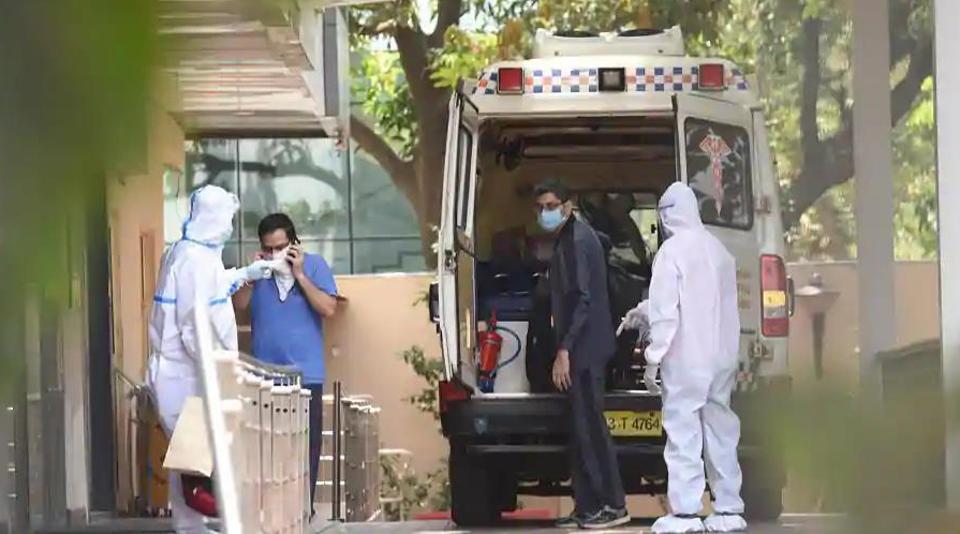
The hospital used to receive around 1,700 to 1,800 patients in its clinics every day before the lockdown. The clinics will be operated in a “Covid Safe Area” between 8am and 8pm.
“We are taking sufficient precautions to safeguard the health of patients. All our chambers are located in the ‘Covid Safe Area’. Our hospital will ensure the best infection control measures,” said Dr DS Rana, chairman of the board of management of Sir Gangaram Hospital.
The government has dedicated 80% of the hospital’s beds for the treatment of Covid-19.
Several hospitals in the city—government and private —had closed their out-patient services in view of Covid-19. Some had re-opened them from April 14.
Others, like Sir Ganga Ram Hospital, are still in the process of reopening their clinics while ensuring patient safety.
The hospital has about 40 chambers on the ground floor which is completely segregated and has a separate entry from the Covid areas. Only one person will be allowed in one chamber at a time, according to the hospital.
“There is a screening tent outside the OPD entrance where the patient’s temperature and symptoms will be checked and we will allow only the patient to go inside. We will allow a family member inside only in dire situations. Once a patient receives a consultation and leaves the room, it will be sanitised before another patient is allowed inside,” a hospital staff personnel said.
All the doctors in the clinics will be in complete personal protective gear, including full-body suits. Patients will need no appointment at the OPDs.
The hospital- one of the busiest private hospitals in the city- has been working at nearly 45% of the doctor strength in its OPDs for the past couple of months.
“From 45 OPDs running six days in a week, with about 40 to 50 patients per OPD, we have reduced consultations to about 10-12 patients per OPD. There are no more than 15 OPDs running two-three days in a week. We have been extra cautious,” said Mili Sehgal, OPD in-charge at the hospital.
Several patients have been suffering due to the shutdown of the OPDs as well as the delay in surgeries.
The state government had asked the hospital to convert itself into a Covid facility last month, and the hospital has been working to make the required arrangements, causing delays, and inconvenience to patients as a result.
Patients said they felt the panic among hospital staff. “There is too much panic; you can see the staff being extra cautious, which is understandable as this disease is highly infectious. We are grateful that at least our patient was admitted and treatment was started here. There were other smaller hospitals in our area but we had heard they weren’t admitting Covid patients, and that’s why we came here,” Rakesh Kumar, whose uncle, an unconfirmed Covid-19 case, is undergoing treatment in the intensive care unit, said