E-Paper



Over 15,000 people register on Uttarakhand govt portal for jobs
Madan Kaushik, cabinet minister, and Trivendra Singh Rawat-led government’s spokesperson, gave this figure during a press briefing on Friday.

 Prefer HTon Google


Over 15,000 people, who have returned from other states amid the easing of nationwide lockdown restrictions, which were enforced from March 25 to contain the spread of the coronavirus disease (Covid-19) outbreak, have registered themselves with the Uttarakhand government’s online portal hope.uk.gov.in -- HOPE stands for Helping Out People Everywhere -- for jobs in their native state after the pandemic blows over.
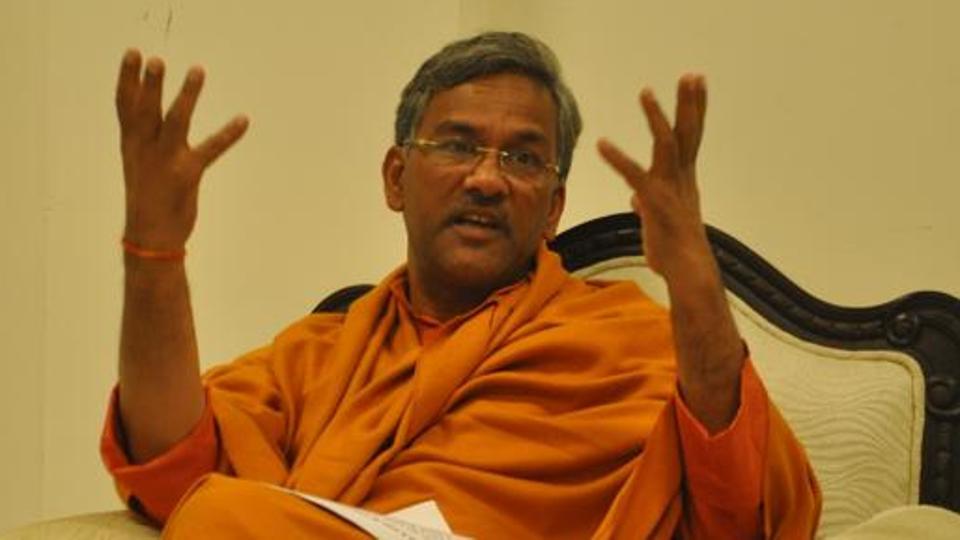
Madan Kaushik, cabinet minister, and Trivendra Singh Rawat-led government’s spokesperson, gave this figure during a press briefing on Friday.
He explained how the state government was linking various schemes under the umbrella of the recently launched Mukhymantri Swarojgar Yojna (MSY) in a bid to facilitate employment for the migrant returnees and also reap the demographic dividend.
In May, CM Rawat had unveiled MSY that aims to provide self-employment opportunities to youth and ensure reverse migration.
Later, the online portal hope.uk.gov.in was also launched to encourage skilled people from Uttarakhand, who may be living or working in other parts of the country, and upload their details specifying their skill sets based on which government authorities or private enterprises can take a call whether they are fit for employment in their native state.
“So far, 3.27 lakh migrant workers’ return was facilitated by the state government. Overall, around five lakh people have come back to their native state. The launch of HOPE has led to a flurry of queries regarding employment opportunities in Uttarakhand. Data showed that 15,109 people have registered themselves on the portal seeking employment opportunities,” he said.
Kaushik said the district authorities were directed to compile details such as profession, educational qualifications, mobile phone numbers of the migrant returnees and counsel them to address their livelihood-related queries. They have also been directed to launch special campaigns to make youth migrant returnees aware of MSY in a bid to widen the net of the beneficiaries.
“We are linking various ongoing schemes under the umbrella of MSY. We have increased the state share, incentives, and subsidies up to even 80% in some select schemes,” he said.
MSY seeks to help migrants in self-employment, creation of job opportunities in rural and urban areas by establishing new services, businesses and micro-industries near job aspirants’ homes in a bid to prevent the hill migration.
Kaushik said the state government is making special arrangements through the district industry centres (DICs) to provide benefits under the Mukhymantri Swarojgar Yojna to motivate the public towards self-employment, provide them the necessary guidance and information related to various self-employment schemes and establishment of the enterprises.
Migration of people from Uttarakhand to other areas of the country is one of the major socio-economic issues faced by the Himalayan state.
Economic disparities, declining agriculture yields, low rural incomes and a stressed rural economy are some of the major causes behind the hill migration.
Over 700 villages in the state have become ghost hamlets.
While data showed that over 3.83 lakh people have left their villages between 2007 and 2017 and at least 50% of them made the move in search of livelihood, according to the report of the migration commission released in May 2019.
Of the nearly 16,500 villages in Uttarakhand, 734, which are located mostly in the hilly areas, have been depopulated through the years because of mass migration to urban areas for livelihood.