
 E-Paper



In Pak Army approach to terror in Kashmir, building synergy is new buzzword
According to a dossier prepared by Indian intelligence and security agencies, a series of meetings have taken place between senior functionaries of banned terrorist organizations including LeT, JeM, Hizbul Mujahideen (HM) and the Taliban, with Jaish commander Mufti Mohammed Asghar Khan Kashmiri coordinating joint terror operations in J & K.

 Prefer HTon Google


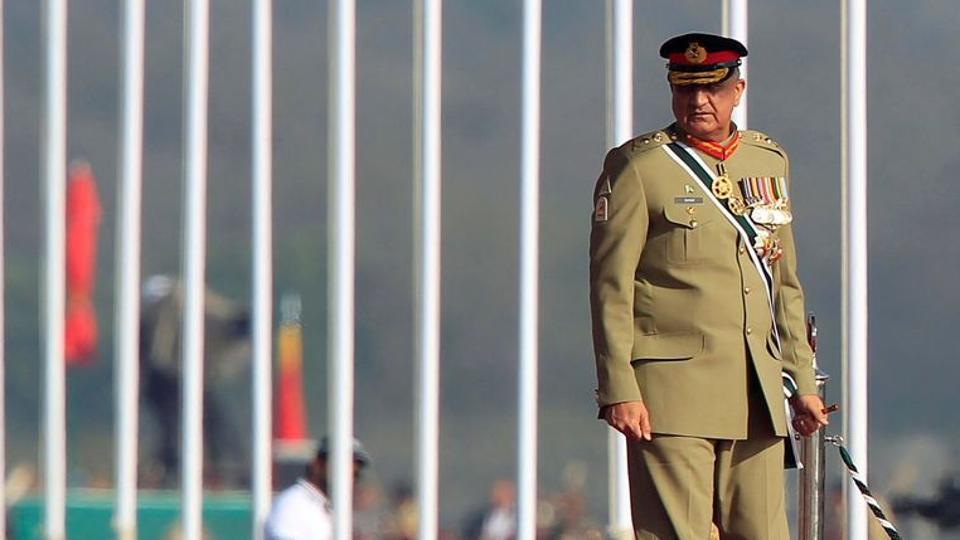
The Rawalpindi general headquarters of the Pakistan army has been able to forge operational synergy since August 2019 between Jaish-e-Mohammed (JeM) and Lashkar-e-Taiba (LeT) terrorists in the Kashmir Valley, according to intelligence inputs reviewed by Hindustan Times. The outcome of such a synergy has usually been coordinated terror attacks.
The inputs reveal efforts by Pakistan-based terror groups, with the active support of that country’s spy agency Inter-Services Intelligence (ISI), to launch coordinated attacks against India in the wake of constitutional changes pushed through by the Centre in August last year, effectively revoking Article 370 that conferred special status on Jammu and Kashmir and reorganising the state into two Union territories, J&K and Ladakh.
According to a dossier prepared by Indian intelligence and security agencies, a series of meetings have taken place between senior functionaries of banned terrorist organizations including LeT, JeM, Hizbul Mujahideen (HM) and the Taliban, with Jaish commander Mufti Mohammed Asghar Khan Kashmiri coordinating joint terror operations in J & K.
The first key meeting, according to the intelligence inputs, took place on December 27, 2019, when Amir Hamza, general secretary of the Jamaat-ud-Dawa, the parent of LeT, met with senior functionaries of the JeM at Markaz Subhan Allah, Bahawalpur, to chalk out a joint strategy to share resources and intensify operations against India.
Follow-up meetings were held with the support of the Pakistani deep state on January 3-8 and January 19, 2020 in Islamabad. These meetings were attended by top functionaries of the two globally designated terrorist groups including Mufti Abdul Rauf Asghar, the de facto head of JeM, Maulana Ammar, brother of ailing JeM chief Masood Azhar, Zaki-ur-Rehman Lakhvi, chief operational commander of L:eT and Amir Hamza. After a decision on operational synergy was taken, Mufti Asghar Kashmiri established contact with LeT’s functionaries in Occupied Kashmir to implement the plan on the ground.
The second key meeting took place on May 7 in Islamabad between LeT, JeM and HM commanders, and focused on enhanced operational capabilities, including sharing of weapons caches, ammunition and support of overground workers. According to intelligence inputs, the three Islamist groups decided that HM will take the responsibility of all attacks in Jammu and Kashmir under the guidance of JeM’s Mufti Asghar Kashmiri. To coordinate action in the Kashmir Valley and Jammu, HM chief Syed Salahuddin, it was decided, would be in touch with Kashmiri and Abdul Aziz Alvi, head of the JuD/LeT in Occupied Kashmir. Before the May 7 meeting, Mufti Asghar Kashmiri already met Salahuddin in Muzaffarabad in PoK to activate the synergy plan.
There are other non-state actors involved as well.
After the signing of the US-Taliban peace accord on February 29, the JeM leadership had also been in touch with the Afghan Taliban so that terrorist commanders can be diverted to J&K once the Sunni ultra conservative force comes to power in Kabul. For that purpose and for training terror recruits in Taliban camps across the Durand Line, the Jaish leadership held meetings with Taliban representatives in Bahawalpur and the twin cities of Rawalpindi and Islamabad in the presence of ground commanders of Kashmir operations, the inputs show.
Besides the main groups planning to create mayhem and violence in Kashmir, new proxies such as The Resistance Front (TRF), Teehreek-e-Millat-e-Islami (TMI) and Ghaznavi Force have be revived in J & K to show that terrorism in the Union territory is home-grown and indigenous. The TRF, a conglomerate of Lashkar and Jaish remnants, took responsibility for the May 2 Handwara encounter in which five security personnel including Colonel Ashutosh Sharma were killed. An LeT operative, Haider, a Pakistani national, was also killed by the security forces in the encounter.


