
 E-Paper



PM Modi to launch Jal Shakti Abhiyan today: All you need to know
The next leg of the programme, dubbed “catch the rain where it falls, when it falls”, will be rolled out across the country’s 734 districts covering over 600,000 villages

 Prefer HTon Google


Prime Minister Narendra Modi will launch the “Jal Shakti Abhiyan: Catch the Rain” campaign on World Water Day, celebrated on Monday, at 12.30pm through video conferencing. According to a statement issued by the Prime Minister’s Office (PMO), the campaign will be undertaken across the country, in both rural and urban areas, with the theme “catch the rain, where it falls, when it falls”. Here is all you need to know about the campaign:
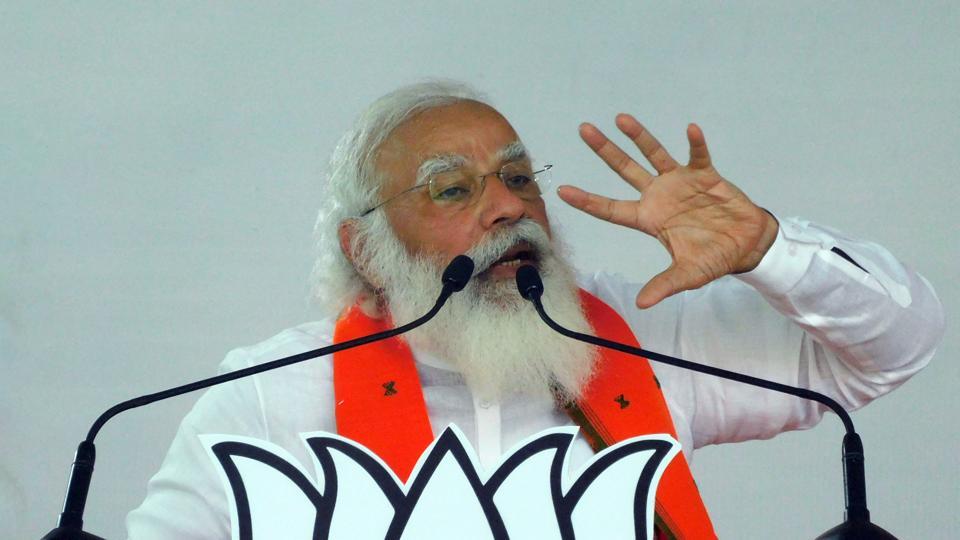
• The Jal Shakti Abhiyan is the Jal Shakti ministry’s flagship water-conservation campaign. The next leg of the programme, dubbed “catch the rain where it falls, when it falls”, will be rolled out across the country’s 734 districts covering over 600,000 villages.
• During the campaign, geotagging of all water bodies throughout the nation will be carried out, an official said on condition of anonymity.
• It will be implemented between March 22 and November 30, covering the monsoon period in the country.
Also Read | Pollution in trans-boundary rivers in India-Bangladesh talks on water-sharing
• An MoU to implement the Ken Betwa Link Project, the first project of the national perspective plan for interlinking of rivers, will also be signed by Uttar Pradesh and Madhya Pradesh chief ministers at the launch event.
• This project involves the transfer of water from Ken to Betwa River through the construction of Daudhan Dam and a canal linking the two rivers, the Lower Orr project, Kotha barrage and Bina complex multipurpose project.
• It will provide annual irrigation of 10.62 lakh hectare, drinking water supply to about 6.2 million people and also generate 103 MW of hydropower.
• The campaign will be a ‘Jan Andolan’ (public movement) to start water conservation at the grassroot level through people’s participation, the PMO said.
• After the event, gram sabhas will be held in all gram panchayats of each district (except in poll-bound states) to discuss issues related to water and water conservation.
• According to data from the state-run policy think tank. NITI Aayog, nearly 600 million Indians face “high to extreme water stress” and the country’s water demand is likely to double by 2030.
• India sustains 18% of the world’s population and 15% of global livestock with just about 4% of global fresh water resources.
• India’s most water-stressed blocks are in Tamil Nadu (541) followed by Rajasthan (218), Uttar Pradesh (139) and Telangana (137).
• On average India receives 1,170mm of rainfall, most of it during the summer monsoon months, but only 10-20% of that is currently tapped.


