
 E-Paper



Premium petrol price crosses ₹100 mark in 3 Rajasthan districts
The international oil prices touched USD 61 per barrel for the first time in more than a year on improving demand and hope amid the global rollout of Covid-19 vaccines further sending the fuel prices through the roof


Premium petrol price crossed ₹100 mark in three districts of Rajasthan on Sunday riding on the sixth consecutive day of rise in fuel prices in the backdrop of a political blame game between the BJP and the Congress over fixing responsibility for the continued hike, which is likely to impact millions of consumers with a likely rise in prices of vegetables and fast moving consumer goods (FMCG).
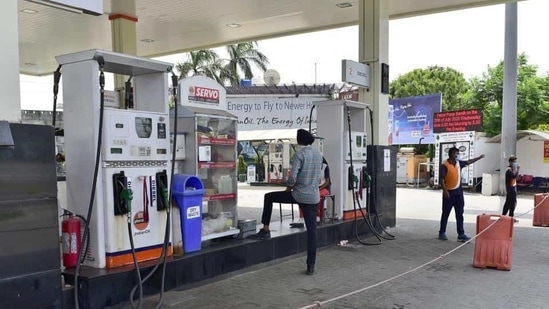
Premium petrol was selling at ₹102.07 per litre in Sri Ganganagar district, the highest rate in the state, followed by Hanumangarh – ₹101.42, Bikaner- ₹100.24 and Barmer- ₹99.43. In capital Jaipur, the price of premium petrol was ₹97.95.
Both the Centre and the state governments have blamed each other for levying steep taxes on fuel prices.
“While the Indian government is trying its best to reduce the prices of petrol, the Ashok Gehlot government in the state has enough allocations to reduce fuel prices. It depends on him how much he wants to ease the load on people,” said Union minister Smriti Irani, during a press conference at the BJP headquarters in Jaipur on February 7.
The Rajasthan government late last month cut the value added tax (VAT) on petrol and diesel by 2% after the price of premium petrol crossed ₹100/litre-mark in Sri Ganganagar district. Despite this, the state has the highest VAT at 36% plus ₹1,500 per kilolitre road cess on petrol. On diesel, the state levies 26% VAT and ₹1,750 per kilolitre road cess.
Prices of petrol and diesel across the country are market-determined and attract uniform central excise duty, but their prices differ from state to state because of the wide variations in the local levies or value-added tax. The Central government levies ₹32.98 per litre of excise duty on petrol and ₹31.83 a litre on diesel. Central and state taxes make up for over 61 per cent of the retail selling price of petrol and about 56 per cent of diesel.
The international oil prices touched USD 61 per barrel for the first time in more than a year on improving demand and hope amid the global rollout of Covid-19 vaccines further sending the fuel prices through the roof.
However, Oil minister Dharmendra Pradhan last week told Parliament that the government is not considering a reduction in excise duty to cool rates from their record highs.
The Ashok Gehlot government stated last month that it had decided to cut down VAT rates on fuel to ease the burden on consumers despite it hitting the state revenues.
“With the reduction in VAT rates, the government’s revenue will reduce by approximately ₹1000 crore annually,” a statement from CM’s office said on January 28.


