E-Paper



‘Captains not accepting rides, try adding more': Higher fare nudges at centre of Rapido facing action
The CCPA found that Rapido’s fare prompts, pricing slider and upfront tip requests could pressure riders to pay more before their rides were confirmed.

 Prefer HTon Google


Ride-hailing platform Rapido is facing action after the Central Consumer Protection Authority (CCPA) found that its app nudged riders to pay more while their bookings were still being processed.
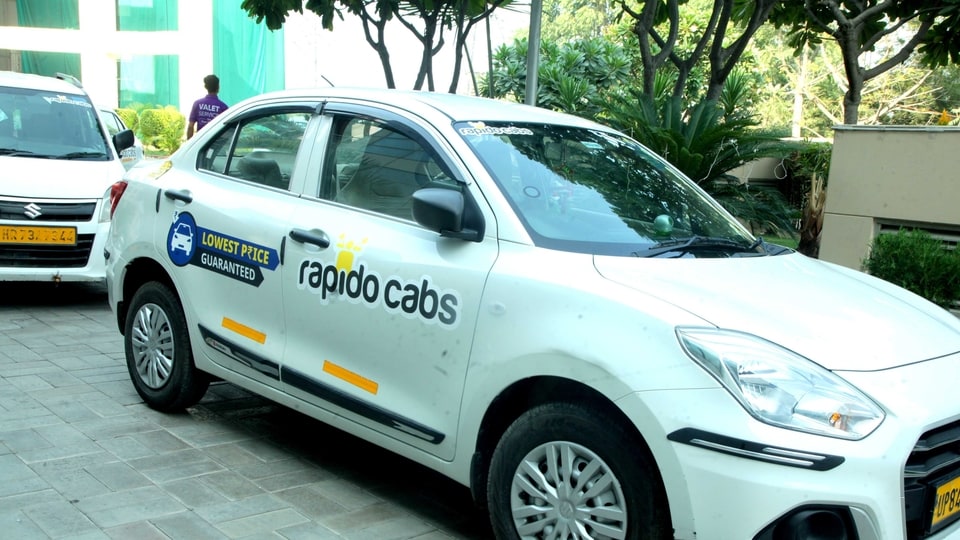
The consumer watchdog has imposed a ₹10 lakh penalty on Roppen Transportation Services Pvt Ltd, which operates Rapido, for misleading advertisements, unfair trade practices, unfair contract terms and the use of dark patterns.
The action followed the CCPA’s examination of cab and bike-taxi aggregators over pre-ride tipping and dynamic pricing. The authority has also issued notices to Uber, Ola, Rapido and Namma Yatri under the 2023 guidelines on dark patterns. The examination of Uber and Ola is still ongoing, PTI reported.
Also Read: Rapido rider sends ‘I love you’ message to Noida woman, dares her to file complaint
Why is Rapido facing action?
Prompts asking riders to pay more
The CCPA found that Rapido displayed messages such as “Higher the price, higher the chance of getting a ride” and “Captains aren’t accepting at ₹60. Try adding +10, +20, +30” while riders were waiting for their bookings to be confirmed.
According to the authority, Rapido first quoted a fare and then prompted riders to increase the amount by suggesting that drivers were not accepting the original price.
The CCPA said this created the impression that riders needed to pay extra to secure a ride. It classified the practice as “Confirm Shaming”, a dark pattern that creates urgency or fear of losing a service if a consumer refuses to pay more.
Colour-coded pricing interface
The authority also examined Rapido’s “Set your price” slider.
As reported by Hindustan Times, the app displayed the message about higher prices increasing the chances of getting a ride in green when users moved the slider upwards. Lower fares triggered red or orange warnings, while the interface provided more room to increase the fare than reduce it.
The CCPA classified this as “Interface Interference”, another dark pattern that uses design elements to influence a consumer’s choice.
The regulator rejected Rapido’s explanation that the prompts were part of real-time negotiations between riders and drivers. It said the platform generated the fare and controlled both sides of the transaction.
Also Read: ‘Confirm shaming’: CCPA fines Rapido ₹10 lakh for dark patterns, unfair contract
Asking for tips before the ride
The CCPA also questioned Rapido’s practice of asking riders for an additional payment before the journey began.
It said the fare shown at the time of booking already considers factors such as distance, travel time, traffic, tolls and the amount payable to the driver.
The authority said a tip is ordinarily voluntary and should not be presented as a condition for providing a service. It also referred to the Motor Vehicle Aggregator Guidelines, 2025, which state that tipping should be offered after the journey and not during booking or the ride.
Also Read: Rapido operator fined ₹10 lakh, told to stop nudges asking consumers to pay more
What action has been taken?
The CCPA has directed Rapido to stop using the disputed prompts and interface designs. The company must submit a compliance report within 15 days of receiving the order, HT reported.
The penalty and directions form part of the regulator’s wider examination of dark-pattern practices across ride-hailing and bike-taxi platforms.