
 E-Paper



Sari: The word to know today as coronavirus spreads
Sari is the acronym for severe acute respiratory infections, which involves the history of a fever higher than 38 C° and cough for over 10 days. It necessitates hospitalisation


When Sari grabs headlines without sartorial connotations outside the lifestyle sections of the media, it means trouble. Sari is the acronym for severe acute respiratory infections, which involves the history of a fever higher than 38 C° and cough for over 10 days. It necessitates hospitalisation. Most Sari cases need intensive care unit (ICU) admissions with ventilator support.
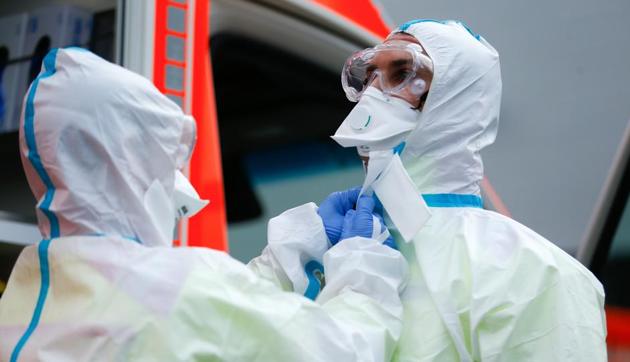
Severe forms of Sari include severe pneumonia, Acute Respiratory Distress Syndrome (ARDS), sepsis and septic shock. These are the cause of deaths from coronaviruses, including coronavirus disease (Covid-19), Middle-east Respiratory Syndrome (Mers), and Severe Acute Respiratory Syndrome (Sars).
While causative organism for Sari could be bacteria to viruses, a sudden rise in cases usually indicates an emerging infectious disease outbreak from influenza viruses, human infection from bird influenza virus-like H5N1 and H7N9, coronaviruses, or other emerging respiratory viral outbreaks.
“Large clusters of Sari are indicative of viral outbreaks, including H1N1. For the sentinel surveillance of Covid-19, Sari patients who have tested negative for H1N1 are being tested to determine whether there is undetected community transmission,” said Dr Randeep Guleria of the All India Institute of Medical Sciences.
Sari patients admitted to ICUs across India are randomly being tested for Covid-19 to check undetected community transmission. Based on the results of around 1,000 random tests of Sari patients, the Indian Council of Medical Research said on Thursday that there is no community transmission of Covid-19 in India.
Using one common case definition for Sari globally helps clinicians working in ICUs manage it.
“The World Health Organisation’s global influenza surveillance standards have established case definitions of influenza-like illness (ILI) and Sari because most viral infections cause generalised clinical signs that are not easily distinguishable from other respiratory infections. The difference between the two is that an ILI causes milder illness while a patient with Sari needs hospitalisation,” said Guleria.
“Testing Sari cases of influenza strains like H1N1 and Sars-Cov-2, which causes Covid-19, helps establish nationwide infection patterns and strengthens disease surveillance, which informs containment response and preparedness,” he said.
“Covid-19 testing must include all Sari cases, both in the public and private sector, to understand the scale of the epidemic in India. Only then can we say with confidence that there is no community transmission in India,” said a public health expert, requesting anonymity.


