
 E-Paper



SC asks lawyers assaulted during protests against BCI chief to approach Delhi HC
The lawyers allegedly assaulted during protests against BCI chairman Manan Mishra sought a CBI probe and CCTV footage preservation

 Prefer HTon Google


The Supreme Court on Wednesday directed lawyers allegedly assaulted during protests against Bar Council of India (BCI) chairman Manan Mishra to approach the Delhi high court with a plea seeking a Central Bureau of Investigation (CBI) probe and immediate preservation of CCTV footage of the August 20-21 incidents.
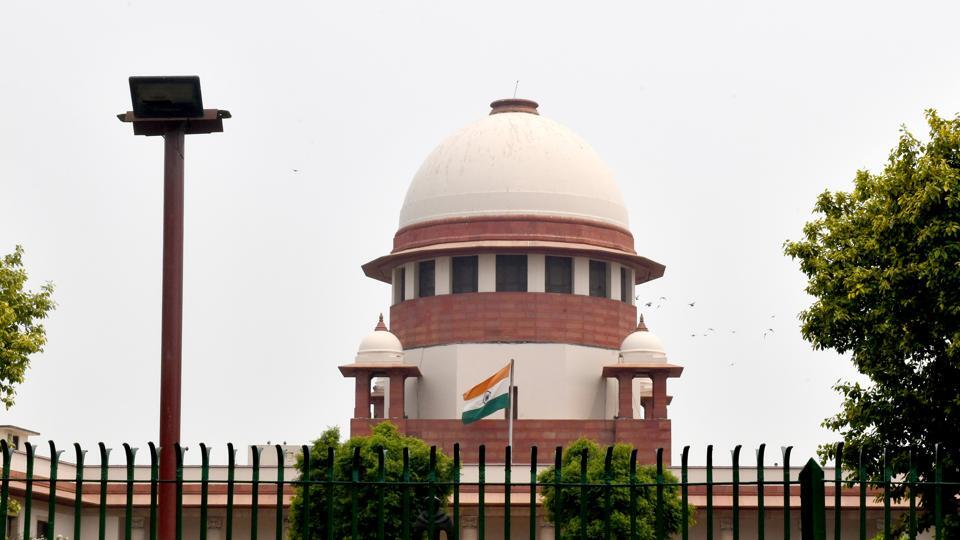
A bench of Chief Justice of India (CJI) Surya Kant and Justices Joymalya Bagchi and V Mohana said that the high court was the appropriate forum as the alleged assaults took place at the BCI office in New Delhi. “It should not appear as if everything must come to this court and that we have an institutional bias… You can approach the Delhi high court. They can very well deal with your petition,” the bench told advocate Prashant Bhushan, who mentioned the matter for urgent listing on behalf of the group of lawyers.
Bhushan argued that lawyers, like any other citizens, had a right to protest and could not be assaulted merely for raising their voice against the BCI and its chairman. He sought a CBI inquiry and immediate preservation of CCTV footage, apprehending that the evidence could otherwise be destroyed.
The bench questioned why the protesting lawyers had not used the legal mechanisms available to them to raise their grievances, while acknowledging their right to protest. “There is not a single issue regarding the BCI that we have not entertained. Had they come before us, perhaps, we would have heard it along with others. However, you can now approach the high court,” it told Bhushan.
When Bhushan stressed that lawyers’ right to protest could not be curtailed merely because of their profession, the bench said that the issue was not whether they had such a right but whether they had an equally efficacious remedy available to them. “The interface on the democratic front can wait in respect of lawyers because law creates grievance redressal for them and gives them a direct voice. They can always bring it before the appropriate forum,” it said.
The court underlined the higher standards expected of lawyers as officers of the court. “When it comes to the administration of justice, this court has laid down graded response for the officers of the court,” it said.
Bhushan agreed to withdraw the petition and approach the high court, following which the CJI directed the registry to pass appropriate orders.
The development came a day after the Supreme Court subjected the functioning of the BCI to a tighter oversight mechanism, directing that the Attorney General for India and Solicitor General be “actively associated” with every policy decision taken by the apex lawyers’ body until its reconstitution through fresh elections.
The bench also made it clear that Mishra’s present continuance as BCI chairman could not be treated as an arrangement extending until 2030, observing that, prima facie, he was continuing only “pro tem” until a freshly constituted BCI elected its office-bearers.
The directions came during the hearing of petitions concerning elections to state bar councils, in which a fresh challenge was mounted to Mishra’s continuance as BCI chairman and the validity of notifications purporting to extend the tenure of the chairman and vice-chairman until 2030.
The court’s intervention assumes significance against the backdrop of the controversy over the BCI’s intervention in the enrolment of the 2026 graduating batch of NALSAR University of Law.
Mishra initially directed state bar councils not to enrol the students after they protested against the invitation to the CJI for their convocation. He later withdrew the freeze and eventually closed proceedings against the batch. Mishra subsequently apologised to the students for any hurt caused by his words or the council’s actions.



