E-Paper



SC collegium clears 36 names as high court judge nominees
The names cleared are for appointments across several high courts, including those in Delhi, Punjab and Haryana, Telangana, Patna, and Rajasthan, among others.

 Prefer HTon Google


New Delhi : In a major step towards overhauling the judicial appointments process, the Supreme Court collegium has cleared a record 36 names for elevation as judges to various high courts, following its unprecedented two-day marathon of personal interviews with 54 candidates earlier this week.
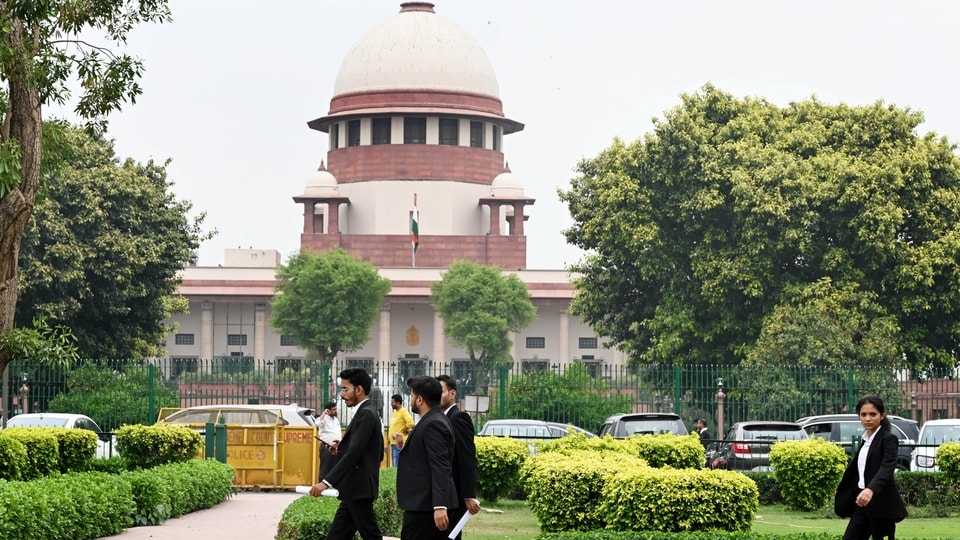
The names cleared are for appointments across several high courts, including those in Delhi, Punjab and Haryana, Madhya Pradesh, Telangana, Patna, Andhra Pradesh, and Rajasthan, among others.
The collegium, comprising Chief Justice of India BR Gavai and senior judges justices Surya Kant and Vikram Nath, held these interviews on July 2 and 3. The cleared names represent a mix of judicial officers and members of the Bar, selected through a rigorous vetting that included in-person assessments of their legal acumen, views on contemporary constitutional questions and broader personality traits.
According to the collegium’s resolution, 10 names each have been recommended for appointment in the high courts of Punjab & Haryana and Madhya Pradesh, four each in the high courts of Telangana and Gauhati, three in the Delhi high court, two each in the high courts of Rajasthan and Patna, one in Andhra Pradesh high court. As on July 1, there are 371 vacancies against the sanctioned strength of 1,122 across the 25 high courts in the country.
As reported first by HT, the collegium’s extensive one-on-one interactions marked the highest number of face-to-face interviews ever conducted in a single go for high court appointments. The move reflected a significant shift in how the judiciary assesses potential judges, prioritising personality assessment over paper credentials.
According to people familiar with the development, the personal interviews significantly influenced the final selection, especially in cases where documentary assessments alone might not have done full justice to a candidate’s potential.
“There were a few candidates whose files did not particularly stand out, either because they lacked high-profile cases or that they did not have the best of the opinions from the consultee judges. But during the interactions, they came across as judicially sharp and ethically strong,” said one of the persons cited above. “Their articulation of constitutional values and institutional responsibility left a strong impression on the collegium,” added this person.
Another person said that the exercise underscored the limitations of relying solely on paper credentials or intelligence inputs. “Some candidates surprised everyone. The interviews allowed the judges to gauge acumen, temperament and moral clarity, which are the qualities that matter immensely on the bench but are hard to capture through written records. In that sense, the process was invaluable,” this person emphasised.
The collegium’s latest push reflects a continuing shift from a largely documentary review process to a more interactive and dynamic one. While the conventional system involved inputs from high court chief justices, the state governments, the Union law ministry, and the Intelligence Bureau, the present model places significantly greater weight on direct engagement with candidates.
Significantly, the interviews were conducted during the Supreme Court’s traditional summer break, which has now been classified as “partial working days” when not only have judicial benches functioned during the recess to hear urgent matters, but administrative and institutional work like appointments has also remained in motion.
The move also underscores the broader rebranding of court operations initiated by CJI Gavai during his tenure. Apart from the top five judges presiding over the bench in the last week of May, since May 26, two or three benches have continued functioning on weekdays, and several judges have remained occupied with writing judgments and preparing for upcoming constitution bench cases. The collegium’s functioning during the break now signals that judicial administration, too, is part of this evolving work ethic.
This week’s interactions go a step further, not just in scale but also in institutional continuity. The trio conducting the interviews — CJI Gavai and justices Surya Kant and Vikram Nath, represent the present and future leadership of the court. Justice Kant is next in line to become CJI in November 2025, followed by justice Nath in February 2027.
The latest move follows a precedent set late last year when the collegium under then CJI Sanjiv Khanna revived the practice of personally interviewing candidates. As reported first by HT in December 2024, the collegium had conducted in-person meetings with candidates being considered for various high courts.