
 E-Paper



SC declines to halt NIA probe into Murshidabad violence
The bench, however, said that the agency would need access to the case records to prepare the report that the high court had been directed to examine.

 Prefer HTon Google


New Delhi: The Supreme Court on Monday refused to interfere with a Calcutta high court order declining to stay the National Investigation Agency’s (NIA) probe into the Beldanga violence in West Bengal’s Murshidabad district earlier this year.
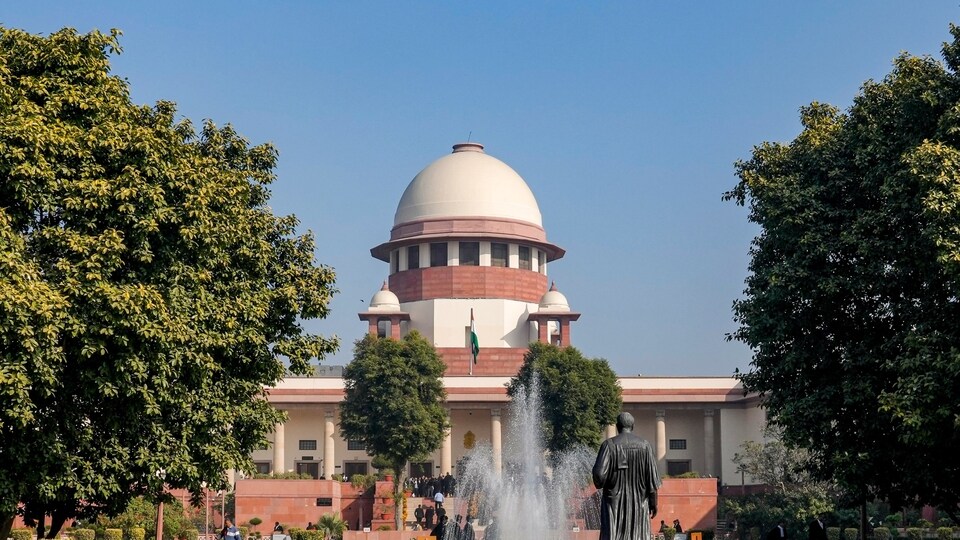
A bench comprising Chief Justice of India Surya Kant and Justice Joymalya Bagchi dismissed a plea by the West Bengal government, challenging the high court’s refusal to halt the investigation and the transfer of case materials to the NIA. The bench said the high court had taken a “balanced” view while allowing the central agency access to the case records.
The state had argued that the trial court’s direction to hand over the case diary to the NIA was contrary to the Supreme Court’s February 11 order asking the high court to examine whether the materials justified invoking provisions of the Unlawful Activities (Prevention) Act (UAPA).
Senior advocate Kalyan Bandyopadhyay, appearing for the state, submitted that since the FIR did not invoke the UAPA -- a scheduled offence under the National Investigation Agency Act, the NIA could not take over the investigation.
The bench, however, said that the agency would need access to the case records to prepare the report that the high court had been directed to examine. It noted that the purpose of the February 11 order was for the high court to determine, based on the materials collected during the investigation, whether the provisions of the UAPA were attracted.
The dispute arises from a January 28, 2026 order of the Union home ministry directing the NIA to take over the investigation of Beldanga police station Case No. 51 of 2026 under Section 6(5) of the NIA Act, following a direction of the Calcutta high court to examine whether an NIA probe was warranted.
The case relates to allegations that a group of persons carried diesel and other inflammable materials intending to set fire to shops and vehicles during the violence in Murshidabad district.
After the Supreme Court on February 11 asked the high court to examine whether the materials justified invoking the UAPA, a trial court directed the state police to hand over the case diary to the NIA. The high court later refused to stay that order, observing that without access to the case records the NIA would not be able to submit the report required by the Supreme Court.


