E-Paper



SC nudges Delhi court to conclude 2008 blasts trial in six months
The bench said that Nisar’s bail plea could be considered again after six months if the trial court was unable to conclude the proceedings within that period

 Prefer HTon Google


The Supreme Court on Tuesday nudged a Delhi court to conclude within six months the trial of Saquib Nisar, a suspected Indian Mujahideen terrorist facing prosecution in the September 2008 Delhi serial blasts case, even as it declined to grant him bail for now.
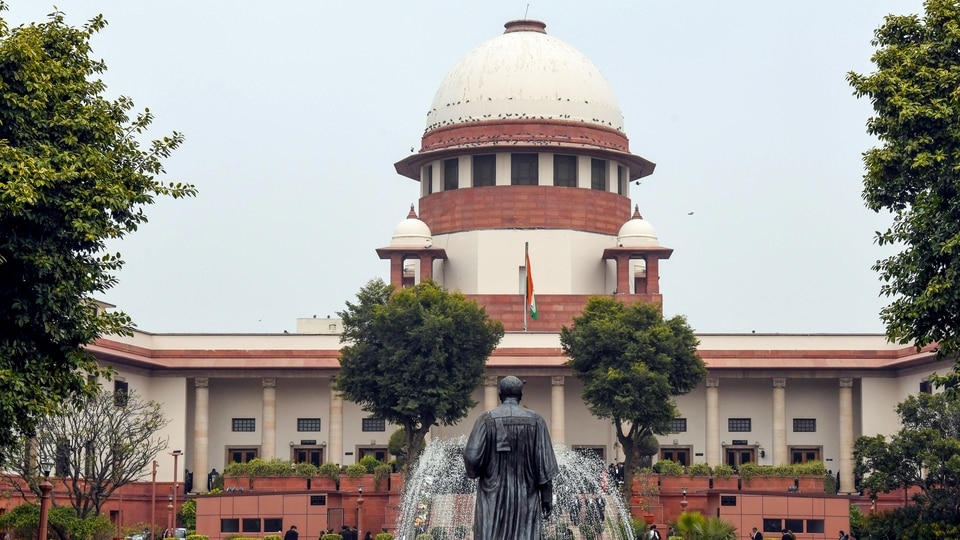
A bench of justices MM Sundresh and PB Varale said that Nisar’s bail plea could be considered again after six months if the trial court was unable to conclude the proceedings within that period.
Senior advocate Sanjay R Hegde, appearing for Nisar, pointed out that his client had been in custody since October 2008 and needed some “reprieve”. Hegde pressed for temporary bail so that Nisar could spend some time with his family.
Justice Sundresh, recalling his tenure as a judge of the Madras High Court, said that he had granted temporary bail to some accused in the 1998 Coimbatore serial bomb blasts case. “After spending some time outside, their behaviour changed completely. When they returned to jail, fights reduced and they were more at peace. So, I understand the importance of meeting your family and spending some time outside jail…you move a suitable plea,” the judge told Hegde.
The court’s direction came against the backdrop of an earlier assurance that the trial would be completed within six months. In January this year, the bench had recorded a statement by Additional Solicitor General Rajkumar B Thakre, appearing for the Delhi Police, that the trial was “likely to be concluded within a period of six months”.
However, when the matter came up on Tuesday, the trial was still not near conclusion, prompting the bench to give the trial court another six months to complete the proceedings.
The delay had also figured before the Delhi High Court in April 2024, when it rejected Nisar’s plea challenging the denial of bail by the trial court. The high court had then been informed that the special court was conducting proceedings every Saturday to expedite the trial, which was said to be at its “fag end”.
The high court, however, declined to release Nisar, saying the allegations against him and the role attributed to him did not persuade it to grant bail. It also noted that a substantial amount of recovery related to the blasts was allegedly made from him.
Also Read: Nine more held in Assam for offensive social media posts on Delhi terror attack
Nisar has been booked under provisions of the Unlawful Activities (Prevention) Act, including Sections 10 and 13, besides various provisions of the Indian Penal Code.
The September 13, 2008 blasts occurred at Karol Bagh, Connaught Place and Greater Kailash in Delhi. Three live bombs were also detected and defused. According to the prosecution, the blasts killed 26 people and injured 135, besides causing damage to property.
Also Read: Delhi blast: Medical professionals module initiated plan linked to AQIS, says NIA
The Indian Mujahideen claimed responsibility for the attacks through emails sent to electronic and print media on the same day, the prosecution had said. It also claimed responsibility for the May 2008 Jaipur blasts and August 2008 Ahmedabad blasts.
The blasts led to multiple FIRs being registered at different police stations in Delhi under provisions of the IPC, UAPA and the Information Technology Act.