
 E-Paper



Ties with India to 'depend' on Ganges Water Treaty, says BNP | All about the pact with Bangladesh
The Ganges water sharing treaty, signed in 1996, is set to expire in December this year.

 Prefer HTon Google


Bangladesh on Saturday stated that the future of its ties with India will "depend on" the Ganges water treaty. The statement from Dhaka comes as the water sharing pact nears its expiry.
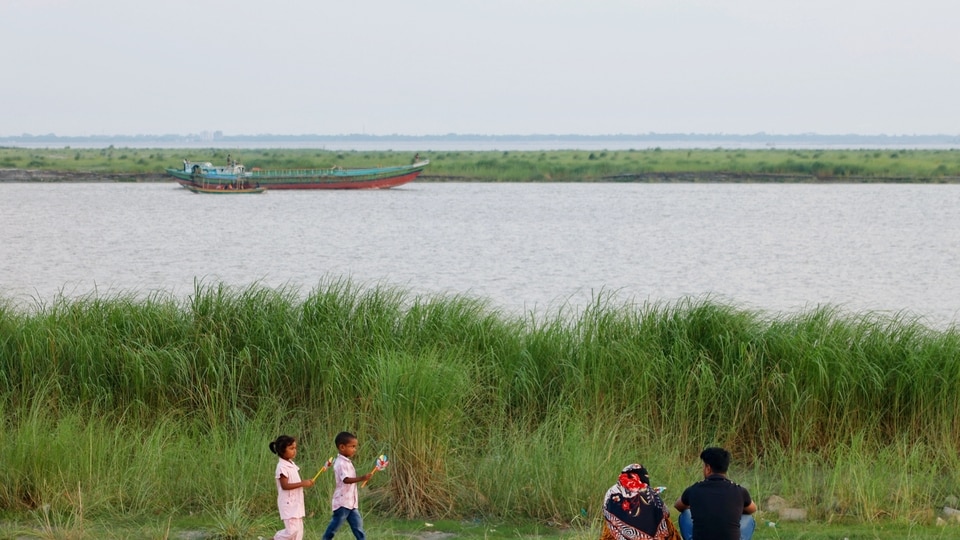
"We want to send a clear message to the Indian government that a (new Ganges) treaty must be implemented immediately through discussions according to the expectations and needs of Bangladesh's people," said Bangladesh Nationalist Party (BNP) secretary general Mirza Fakhrul Islam Alamgir.
Alamgir added that good relations with India will depend on whether the treaty is renewed.
The BNP spokesperson's remarks also come days after Bangladesh approved a mega project to build a barrage on the Padma river, which is what the Ganges is known as in the neighbouring country, in order to "negate the negative impact" of the Farakka Barrage in West Bengal.
The Farakka Barrage in Bengal has been a sensitive issue for Bangladesh, with Dhaka stating that it has caused salinity intrusion due to reduced dry-season water flows.
However, India has maintained that the Farakka Barrage was opened in 1972 to divert water into the Hooghly River to flush sediments and to preserve the Kolkata port.
However, this flashpoint has been compounded by the uncertainty surrounding the renewal of the Ganges water treaty.
What is the Ganges Water Treaty?
The Indo-Bangladesh Ganges Water Sharing Treaty was signed in 1996 between Indian Prime Minister H. D. Deve Gowda and Bangladeshi Prime Minister Sheikh Hasina in New Delhi.
The treaty established a 30-year water-sharing arrangement and Bangladesh's rights over the river water. The treaty is set for renewal in December 2026.
The treaty also governs water sharing between India and Bangladesh when river flows are low.
Based on this, if the flow at Farakka barrage is 70,000 cusecs or less, both India and Bangladesh get 50 per cent of the water.
Another point is that if the flow is between 70,000 and 75,000 cusecs, Bangladesh gets 35,000 cusecs of the water and India gets the rest.
Lastly, if the flow is above 75,000 cusecs, India gets 40,000 cusecs, and Bangladesh receives the rest.
The dispute occurred after Dhaka alleged that India was extracting excess water from the barrage, which resulted in rivers drying in Bangladesh.


