
 E-Paper



Udaipur hacking brings focus on radicalisation by Pak-based Dawat-e-Islami
One of the killers of Kanhaiya Lal, Ghous Mohammed had gone for religious training at DeI headquarters in Karachi in 2013-2014 but there is no evidence till now that he had also received weapons training in Pakistan.

 Prefer HTon Google


The savage murder of Udaipur tailor Kanhaiya Lal for blasphemy has brought focus on the activities of Pakistan-based Dawat-e-Islami in India with one of the killers admitting that he had gone for religious training in Karachi in 2013-2014.
The case is currently being investigated by the National Investigation Agency (NIA), with the Rajasthan government suspending police personnel who did not take action on a threat and stalking complaint filed by the victim, as well as the criminal ramifications of allegedly promoting the anti-Prophet remarks by the former BJP leader.
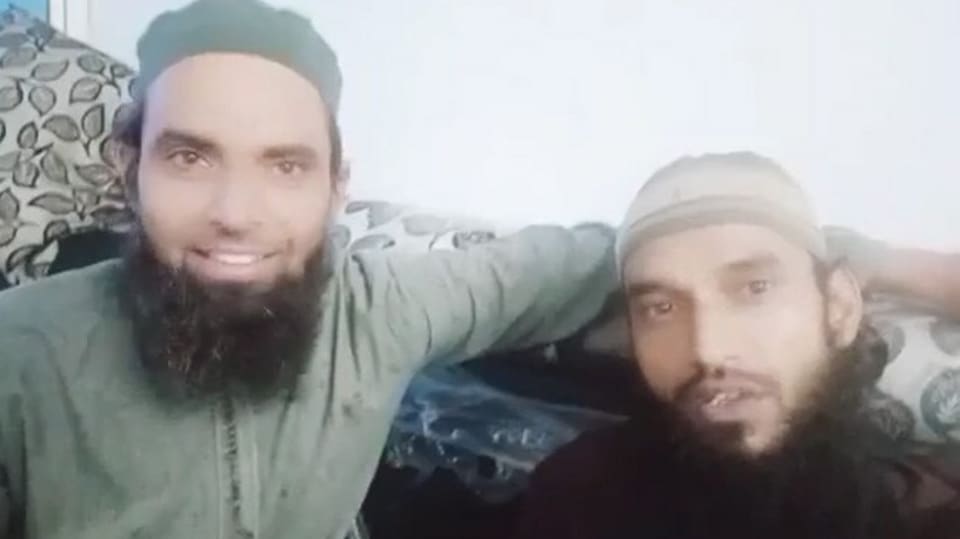
Tailor Kanhaiya Lal was hacked to death by Ghous Mohammed and Riyaz Attari for supporting former BJP leader Nupur Sharma’s anti-Prophet remarks on Tuesday. While the electronic devices recovered from both the killers and those detained for providing logistics support to the crime have been sent for forensic analysis, interrogation of the accused revealed that they were self-radicalised and followers of Karachi-based Dawat-e-Islami leader Illyas Attar Qadri, whose followers call themselves Attari.
The killer of Pakistan Punjab Governor Salman Taseer, who spoke against blasphemy laws, belonged to the same Karachi Barelvi sect. Taseer was killed by his bodyguard Malik Mumtaz Qadri on January 4, 2011.
Also Read | Protests erupt in Jammu over Udaipur tailor’s brutal killing
Investigating officials say whether the killers acted on their own or were directed from outside will only be clear after the mobile phones of the accused will be analysed for contacts and WhatsApp messages.
According to counter-terrorism experts, Ghous Mohammed had travelled to Saudi Arabia for Umrah in 2013 and 2019, but till now there is no evidence that he received any weapons training apart from religious training in Karachi. Senior Muslim clerics of Gujarat and Hyderabad have often blamed the Pakistan-based sect for collecting donations from India and then using them to fund Pakistan-based terror groups to target India. The Dawat-e-Islami sect believes in imposing Sharia in Pakistan and preaches to followers on the Quran and Sunnah. The sect is close to the Pakistan-based Tehreek-e-Labbaik extremist group, which is totally opposed to any change in the blasphemy law in the Islamic Republic and is rooted in Barelvi ideology.
While the police interrogators of the two killers found them to be unrepentant about the dastardly crime to which they confessed, internal security agencies are examining the larger ramifications of the inroads made by Pakistan-based Dawat-e-Islami. Although Riyaz Attari has not travelled to Pakistan, he was the man who had crafted the knives used to butcher the tailor.


