
 E-Paper



US to probe Pak’s ISIS terrorists in Syria, may complicate Imran Khan woes
The US backed and predominantly Kurd Syrian Democratic Forces have shared a list of 29 Pakistanis among others who are in their custody for fighting for the Islamic State.

 Prefer HTon Google


The United States has started an investigation into the role of Pakistanis in the Islamic State movement in Syria, complicating the situation for Prime Minister Imran Khan who is still to emerge from Tuesday’s setback to his attempt to get two “critical” FATF-linked legislations enacted, people familiar with the matter said.
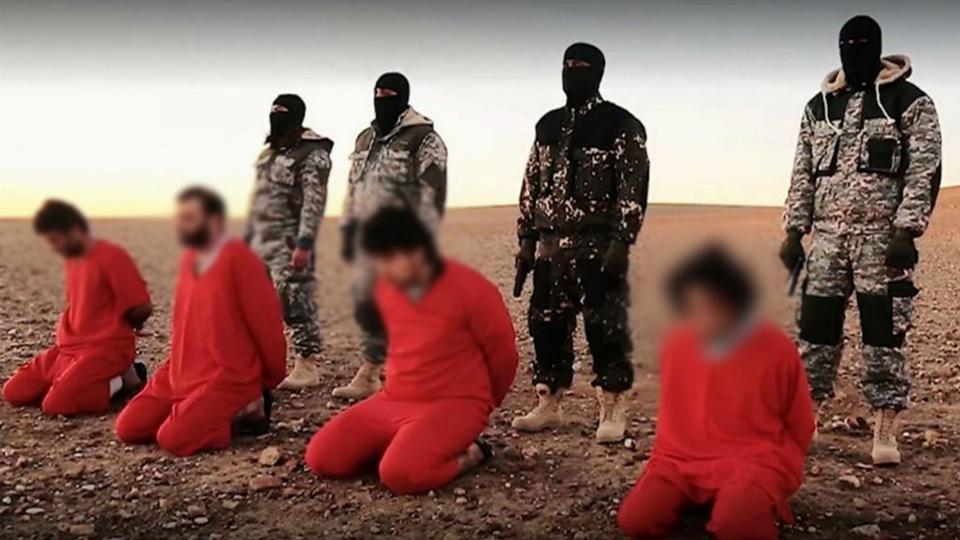
The US backed and predominantly Kurd Syrian Democratic Forces have shared a list of 29 Pakistanis among others who are in their custody for fighting for the Islamic State, the ultra-conservative radical Sunni movement that swept Iraq-Syria in the past decade. The shortlist, according to counter-terror officials in Delhi and Washington, include four Pakistanis who had acquired citizenship of another country such as Turkey and Sudan. Nine of the 29 captured ISIS fighters are women.
“The American security forces are currently interrogating these Pakistani nationals including who sent them to fight for IS in Syria and their past affiliations with terrorist groups like the Al Qaida or any other pan-Islamic group based in Pakistan. As the Pakistani deep state is involved with the so-called Islamic State of Khorasan Province in Afghanistan, the interrogation will also reveal its role if any,” said a counter-terror official in know of the list.
Also Watch | BSF shoots down 5 infiltrators at India-Pakistan border in Punjab, arms recovered
The reference to the IS presence in Afghanistan is a pointer to the Islamic State-Khorasan Province, or ISKP, which had carried out several attacks on civilian installations including a gurdwara in the heart of Kabul. ISKP chief Aslam Farooqui, also a Pakistani national with clear links to Pakistan’s Inter-Services Intelligence, was arrested for this bombing. Farooqui was earlier associated with the terror group Lashkar-e-Taiba before switching over to the ISKP. Farooqui is currently in custody of Afghan government after it rejected the Pakistani request to extradite him.
While Pakistan with the help of China wants to exit out of the FATF Grey List, this new revelation substantiates the Indian claim that Islamabad is the epicentre of terrorism. While two Punjab based terrorist groups—Jaish-e-Mohammed and Lashkar-e-Tayebba—target India, Rawalpindi supports Taliban through Haqqani Network and ISKP to cause mayhem in Afghanistan. The Pakistani involvement in attacks in US, UK and the Middle-East have come out in the open in the past.
While the Islamic State does not hold any territory in Iraq or Syria, the remnant fighters are operating as free-lancers in the Syrian civil war and its ultra conservative Sunni ideology is still radicalizes the Muslim community in the name of puritan Islam.


