
 E-Paper



View: Why is Supreme Court verdict on Kashmir important?
By upholding the removal of Article 370 and Article 35 A, the Supreme Court has removed Kashmir from Pakistan’s K-2 mission and taken away the west's stick.

 Prefer HTon Google


New Delhi: The Supreme Court by upholding the validity of the Narendra Modi government to abrogate Article 370 and Article 35 A have permanently removed a stick used by the West and OIC countries to pressurize India over the so-called Kashmir issue. The government’s strategic decision to bifurcate the erstwhile state into two Union Territories have also been upheld by the Constitutional Bench of the Apex court.
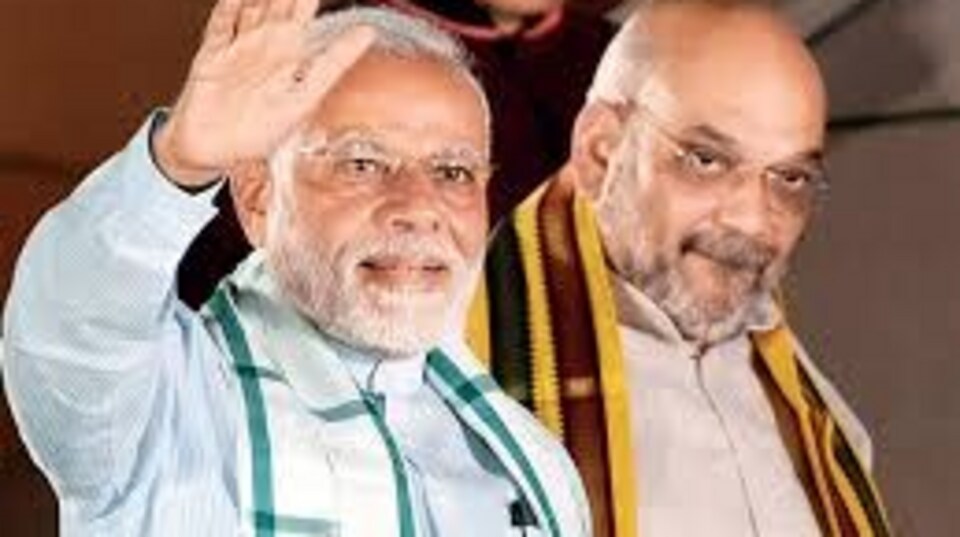
With the Kashmir issue finally laid to rest after 75 years of Independence, the West will now have to rely on the so-called Khalistan issue and human rights issue in largely Christian parts of north-east to put pressure on Bharat as Left Wing Extremism in central India is gasping for breath and will be eradicated soon.
Over the past decades, India baiters in the west and within the country used the so-called Kashmir issue to put the Centre on the mat with pro-Pakistani groups advocating various solutions through Indian left liberals to hand over the Kashmir Valley to Islamabad. While all this was done under the garb of bringing peace to the Indian sub-continent, the western think-tanks played along with the false narrative to place hurdles on the rising India. Countries like Communist China pandered this Kashmir narrative in support of its client state Pakistan in order to deter India on northern and western fronts. The Pakistani military and civilian rulers used all overt and covert tactics, particularly Islamic terrorism, to try and co-opt the Muslim majority Valley while US intelligence funded Scandinavian NGOs couched the violent narrative in so-called hope for peace (Aman ki Aasha) in the sub-continent. Various solutions namely the “Jhelum or Chenab” were pandered around by Left Liberal media in return for lavish foreign junkets, parties as well as a job in foreign media outfits. Kashmir was a full fledged conflict resolution industry, which has been finally put to rest by the apex court.
Also read: No north-south divide, the only threat to BJP in 2024 is…
With Kashmir finally removed from the equation on August 5, 2019 and validated by the Supreme Court today, India’s detractors will now have to rely on the so-called Khalistan issue to put pressure on India apart from rights of Christians in certain parts of north-east of Bharat. While the west including US and Canada have refused to take action against rabid Khalistanis like G S Pannu despite India raising the issue at the highest level bilaterally, they have tried to put pressure on the Narendra Modi government for ordering political assassinations of known terrorists. The Khalistan pressure point will continue as the Canada based Khalistanis will again try to corner India on December 18, six months after terrorist Hardeep Singh Nijjar was killed in a gang violence in Surrey in British Columbia.
Also read: Doval champions regional security at NSA-level meet of Colombo Security Conclave
Fact is that rather than come under pressure on Kashmir, India’s Home Minister Amit Shah has pushed Pakistan on a defensive mode as Assembly seats for occupied Kashmir were also announced in Parliament this month. While India’s rise was never expected to be benign and will be contested by friends and foes alike, today Kashmir has been taken out of K-2 mission of Rawalpindi GHQ forever.


