
 E-Paper



What ‘swadeshi’ 4G means for PM Modi's made-in-India push amid tariff tensions
"From today, a new avatar of BSNL has also emerged. BSNL's indigenous 4G services have been launched," said Modi as he unveiled the network.

 Prefer HTon Google


As Prime Minister Narendra Modi continues his push for “swadeshi” (or indigenous) good and services, in a landmark event he launched government-owned telecom company BSNL’s 4G network stack on Saturday. With this launch, India now joins the list of select countries that have developed their own telecom technology, officials stressed.
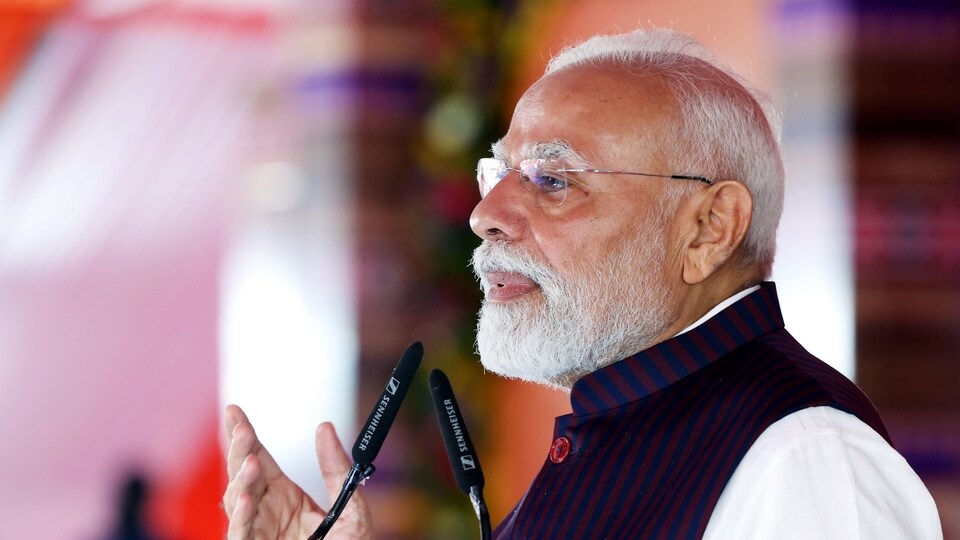
"From today, a new avatar of BSNL has also emerged. BSNL's indigenous 4G services have been launched," said Modi as he unveiled the network.
The prime minister's push for “swadeshi” and made-in-India comes as India continues to face a massive 50 per cent tariffs from the United States amid other tensions over H1-B visas and allegations of “funding Russia's war” in Ukraine.
What is the 'swadeshi' 4G network?
After unveiling and launching the network, the PM stated that over 97,500 4G towers had been built at a cost ₹37 crore.
- The towers have been set up across Odisha, Uttar Pradesh, Andhra Pradesh, Maharashtra, Rajasthan, Gujarat, Assam and Bihar.
- These towers will also be solar-powered, making this India's largest cluster of green telecom sites.
Also Read | How BSNL’s 4G stack embodies swadeshi spirit
- With this cloud-based 4G stack, BSNL will be able to rapidly roll out next-generation services across India.
- Furthermore, this 4G network has been created in a way that it can be upgraded to 5G later on.
PM continues push for 'swadeshi'
The swadeshi message with the 4G stack towers comes as India continues to face 50 per cent tariffs imposed by US President Donald Trump mainly over New Delhi's purchase of Russian oil.
Ahead of the BSNL launch, the prime minister has pushed out several messages and speeches with a special focus on self-reliance, though India and the PM specifically have avoided any confrontational rhetoric over the tariffs. Talks for a trade deal have resumed recently after a set of pleasant exchanges between Modi and Trump.
In his latest speech on GST Reforms, PM Modi highlighted that higher savings due to these reforms will improve local production and consumption.
In another event, the prime minister stated that India's real enemy is its dependence on other countries. “We have no major enemy in the world. Our only real enemy is our dependence on other countries… and together we must defeat this enemy of India,” said Modi during an event in Gujarat.
In August, while flagging off exports of Maruti Suzuki’s first electric vehicle, the e-VITARA, PM Modi reiterated the push for self-reliance and Make-in-India.
“My definition of ‘swadeshi’ is very simple: it doesn’t matter whose money is invested, whether it is dollars, pounds, whether the currency is black or white, it doesn’t matter to me. What matters is that in production, the sweat belongs to my countrymen… Those products will have the fragrance of my country’s soil,” said Modi, adding that Swadeshi should become every Indian's "life mantra".


