
 E-Paper



Will normalise ties on the basis of mutual respect: India to China
China is the only one of the five permanent members of the UNSC whose top leadership has not sent a congratulatory message to Modi

 Prefer HTon Google


India on Saturday responded to a congratulatory message from the Chinese side on Prime Minister Narendra Modi’s election victory by saying that New Delhi will make efforts to normalise bilateral ties on the basis of “mutual respect, mutual interest and mutual sensitivity”.
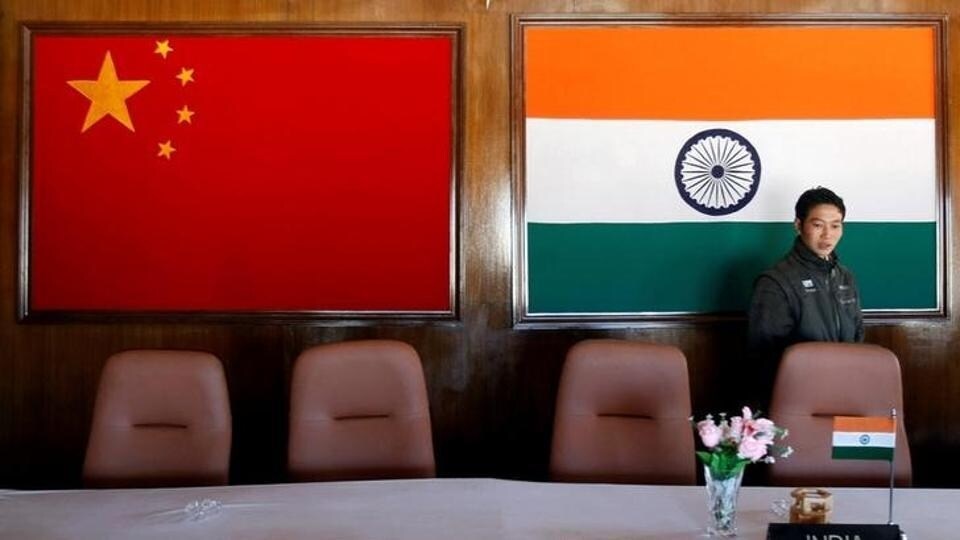
External affairs ministry spokesperson Randhir Jaiswal conveyed India’s response while replying to a congratulatory message posted on X by the Chinese foreign ministry’s spokesperson on June 5. China’s top leadership has not yet sent a formal message to the Indian side on the National Democratic Alliance’s (NDA) victory in the general election.
“Thank you @MFA_China for congratulating PM @narendramodi on his election victory. Will continue to pursue efforts towards normalisation of India-China ties based on mutual respect, mutual interest and mutual sensitivity,” Jaiswal said in his post on X.
Also Read | Exchange of messages on X between PM Modi and Taiwan President angers China
India-China ties are currently at their lowest ebb because of the military standoff in Ladakh sector of the Line of Actual Control (LAC), which began in May 2020 and is currently into its fifth year. The Indian side has consistently said the overall bilateral relationship cannot be normalised without peace and tranquillity on the border.
The Chinese side, on the other hand, has called for putting the border issue in its “appropriate place” in the overall relationship, while the two sides take forward ties in other areas such as trade and investment. Despite dozens of rounds of diplomatic and military talks, the two sides haven’t been able to address major “friction points” on the LAC such as Depsang and Demchok.
On June 5, the Chinese foreign ministry’s spokesperson had posted on X: “Congratulations to Prime Minister @narendramodi, BJP and the National Democratic Alliance on the election victory. We look forward to a healthy & stable China-India relationship.”
Also Read | Firms should assess China deals through ‘national security filter’: Jaishankar
A similar message was conveyed by the spokesperson at a regular media briefing in Beijing. At the time, India hadn’t responded to China’s message. Observers said the delay in India’s response also pointed to the frosty nature of bilateral relations.
China is the only one of the five permanent members of the UN Security Council, or the so-called P-5, whose top leadership hasn’t sent a congratulatory message to Modi. The Indian leader has received messages from his counterparts in Britain, France, Russia and the US.
Pakistan, a close ally of China, is also among the countries whose leaders haven’t congratulated Modi so far. Pakistan Prime Minister Shehbaz Sharif was in China on an official visit when the result of the Indian election was announced.
On Friday, the spokesperson of the Pakistani Foreign Office responded to a question at a media briefing about sending a congratulatory message to India by saying that it is the right of the Indian people to decide about their leadership. The spokesperson further said it was “premature” to talk of sending a congratulatory message. “As far as I understand, the process of formation of government is ongoing,” she added.
The spokesperson further said Pakistan has always desired cooperative relations with all neighbours, including India. “We have consistently advocated constructive dialogue and engagement to resolve all outstanding issues, including the core dispute of Jammu and Kashmir,” she said.
India’s decision to scrap the special status of Jammu and Kashmir in 2019 “vitiated the bilateral environment”, and there was an “increase in vitriolic rhetoric against Pakistan, especially during the recent electoral campaign in India”, the spokesperson said.



