
 E-Paper



Price control planned, critical medical devices to become affordable
The government will regulate prices of medical devices and set up an agency to encourage domestic manufacturers in the $3.5 billion industry under the Make in India campaign in a bid to lower healthcare costs even in the private sector, according to sources.

 Prefer HTon Google


The government will regulate prices of medical devices and set up an agency to encourage domestic manufacturers in the $3.5 billion industry under the Make in India campaign in a bid to lower healthcare costs even in the private sector, according to sources.
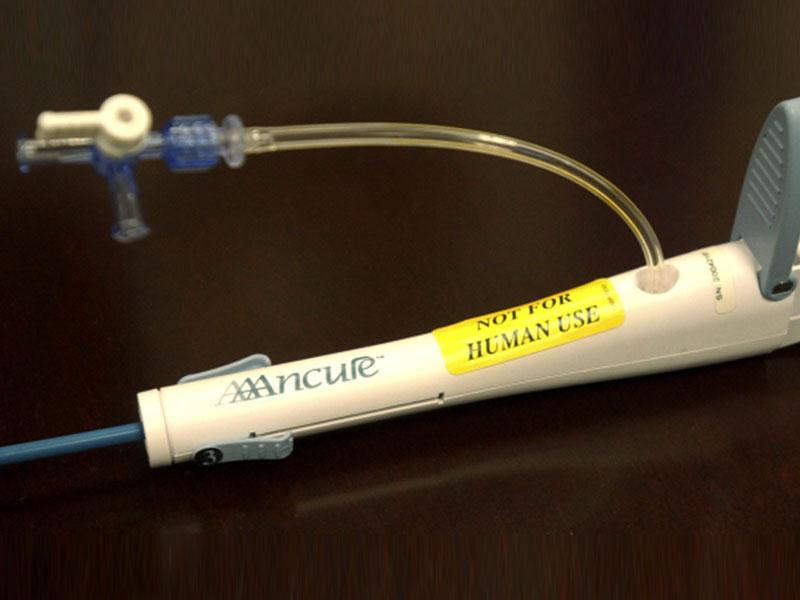
India imports about 75% of equipment like cardiac stents and implants, mostly from the US, as the country only has a limited capacity to produce them indigenously which pushes up prices.
Sources say costs of some devices could halve as the government intends to correct the rate distortion by issuing a medical price control order like the one in place for 343 critical medicines under the Essential Commodities Act.
“We are examining whether the Central Government Health Scheme (CGHS) prices can be made applicable across India to bring down costs,” a senior health ministry official told HT, maintaining that consultations were on with the industry.

The ministry estimates that the CGHS prices for medical devices are about 40-70% lower than market rates, while a report from the government’s National Sample Survey Office says private hospitals are nearly four times more expensive than public facilities though patients have to pay for medical devices separately.
For instance, the cost of cardio treatment in a private hospital in 2014 was about Rs 43,263 compared to Rs 11,549 in a government-run centre, according to the study. Similar high costs were also reported at private institutes for treatment of various ailments that require implants and other equipment.
The medical devices sector, however, is resisting the move to usher in price control for equipment, saying it will kill the nascent industry.
“The government only recently allowed 100% foreign direct investment for setting up domestic manufacturing for medical devices,” pointed out a pharmaceutical industry representative. “Who will invest if the government controls the price?”
But, the Centre believes that the fears are uncalled for as it will provide incentives for setting up domestic manufacturing units under Prime Minister Narendra Modi’s flagship Make in India initiative.
“There is a reasonable market in India for devices manufactured here and it’s not a bad thing to regulate prices,” said Dr Ashok Seth, chairman of Fortis Escorts Heart Institute. “However, it shouldn’t be low-cost, poor-quality stuff to fit into the price bracket.”
The government’s department of pharmaceuticals has released a draft policy framework enumerating a series of “rewards” including interest subsidy for medium and small enterprises, concessional power tariff for 5-10 years, viability gap funding, tax and duty rebate and other forms of encouragement to promote exports.
The Centre also plans to set up a National Medical Device Authority (NMDA) that will be responsible for managing proposed medical device mega parks over about 500 hectares, develop knowledge networks with industry as partners and prepare indigenous business models to take on international competition.
The medical devices industry in India is expected to grow at an annual rate of 16% and the government wants the import burden to be reduced and make India a hub for manufacturing of medical devices like the pharmaceutical sector, where India is a one of the world’s leading exporters.


