
 E-Paper



Timing of F-16 sale to Pakistan insensitive, says govt
Even though problems cannot dominate the India-US relationship due to its rich and wide content, South Block believes the timing of Washington’s announcement of the sale of eight F-16 fighters to Pakistan was “insensitive” and refuses to categorise the multi-role jet as a counter-terror weapon for Islamabad.

 Prefer HTon Google


Even though problems cannot dominate the India-US relationship due to its rich and wide content, South Block believes the timing of Washington’s announcement of the sale of eight F-16 fighters to Pakistan was “insensitive” and refuses to categorise the multi-role jet as a counter-terror weapon for Islamabad.
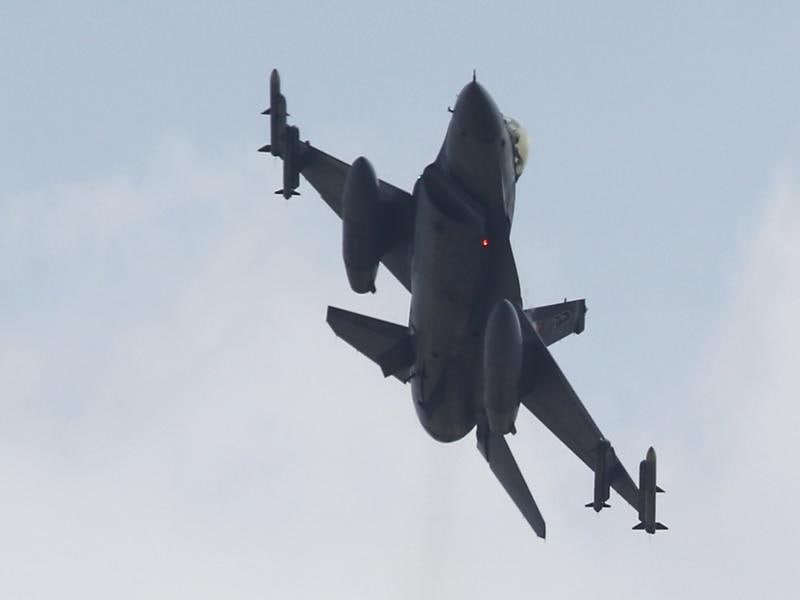
Top government sources told Hindustan Times on condition of anonymity that India had more convergence with the US on Southeast Asia than in the West even as there was pressure from Afghanistan and Iran on Pakistan to integrate with the rest of South Asia. India has conveyed to the Obama administration its strong reservations on the F-16 sale to Islamabad, which comes after Pakistan-based Jaish-e-Mohammed terrorists targeted the Pathankot airbase last month.
Asked about the possibility of foreign secretary-level talks with Pakistan in the near future, the sources said India would initiate dialogue at a time convenient to its interests. “We have a new approach with Pakistan after Prime Minister Nawaz Sharif conceded the involvement of Jaish terror group within 11 days of the Pathankot attack. We will talk with Pakistan in the near future but when it is convenient. Development is important to us but security is essential,” a senior official said.
South Block also continues to be opposed to the China-Pakistan Economic Corridor (CPEC) as it passes through Pakistan Occupied Kashmir and is keenly watching Islamabad’s plan to integrate Gilgit-Baltistan on the one hand and keep the Kashmir issue alive on the other. “China wants Pakistan to integrate Northern Areas so that it is confident in pouring in $46 billion in CPEC but at the same time wants to appease Kashmiri separatists by keeping the political issue alive with India,” the official said.
On the relationship with Russia, sources said a deliberate effort was being made to go beyond the existing unidimensional relationship of military hardware with Moscow to focus on trade and economic ties. “We are also making consistent efforts to engage Iran and reaching out to the complex Middle East with special focus on the United Arab Emirates,” sources said.
Meanwhile, the Pentagon has said that Obama’s administration’s decision to sell eight F-16 fighter jets to Pakistan should not be a cause of concern for India as the regional security situation was taken into account at the time of sale.
.


