
 E-Paper



Earth’s own stardust: A look at what makes each natural diamond unique

 Prefer HTon Google


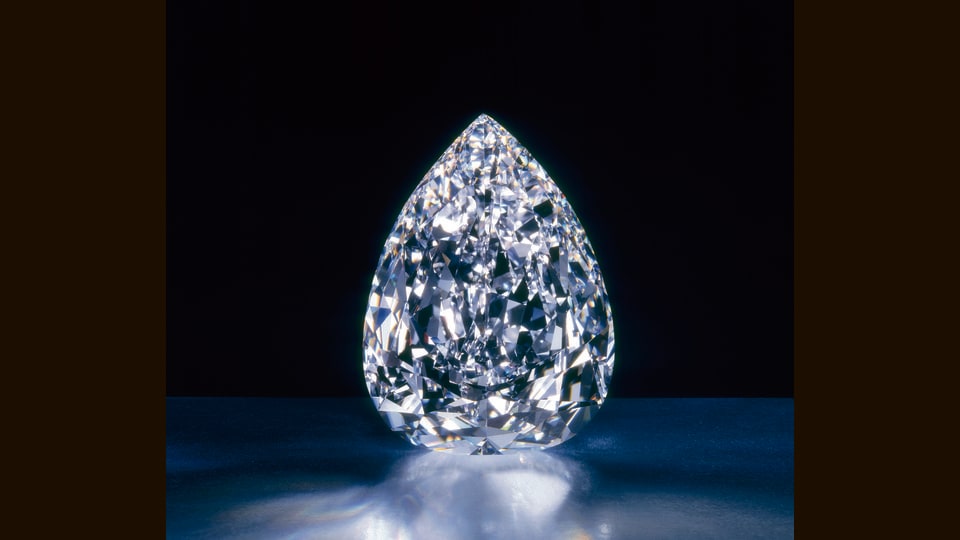
HT SELECT: They are Nature’s masterpieces: rare and finite. Natural diamonds are shaped deep within Earth’s mantle, over millions of years, amid immense heat and pressure. It takes a violent kind of explosion to bring them close enough to reach. These glittering fragments of deep time are millions of years old, and last forever. So they became symbols of eternity. What does it take to make one? It’s an astonishing origin story.
Of all the jewels in the world, there is a reason diamonds arrest the imagination so completely, and universally.
It isn’t just their brilliance. Diamonds resonate with something far deeper.
They are a living manifestation of eternity.
A symbol of the power of transformation. And of the power of time (as well as heat and pressure) to turn something ordinary into something breathtaking.
Most gem-quality natural diamonds were already taking shape deep within the planet billions of years ago.
The oldest known diamond, found in Canada, has been dated to about 3.5 billion years ago. Which means that it survived over the course of three-quarters of Earth’s history.
This is part of what makes these gems stunning records of deep time.
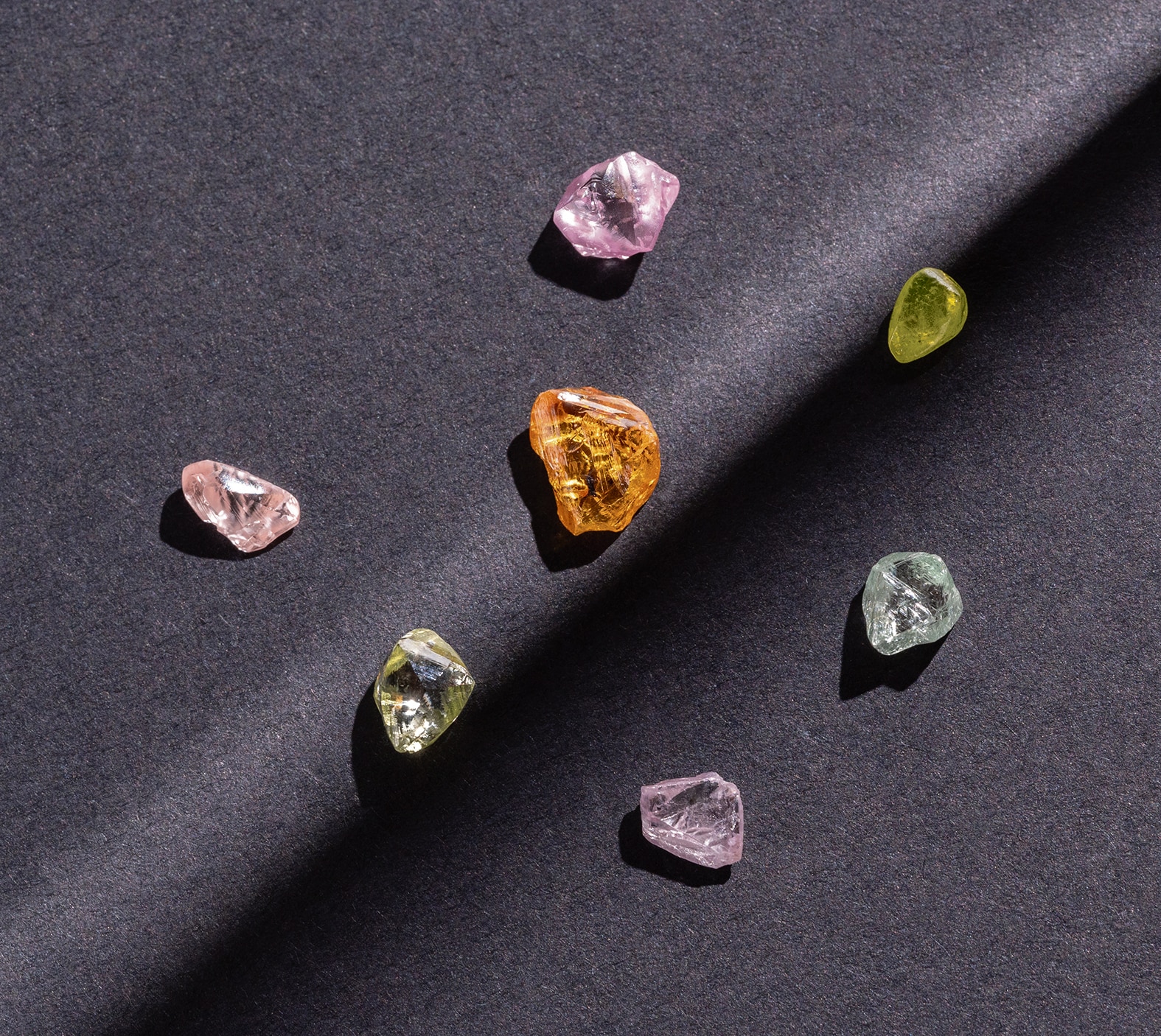
The colour of a diamond can be used by scientists to indicate the formation and residence history of a diamond. Yellow, for instance, is caused by the presence of the guest element nitrogen in the crystal. By analysing the arrangements of the nitrogen, researchers can approximate the amount of time the diamonds would have resided at depths within the Earth.
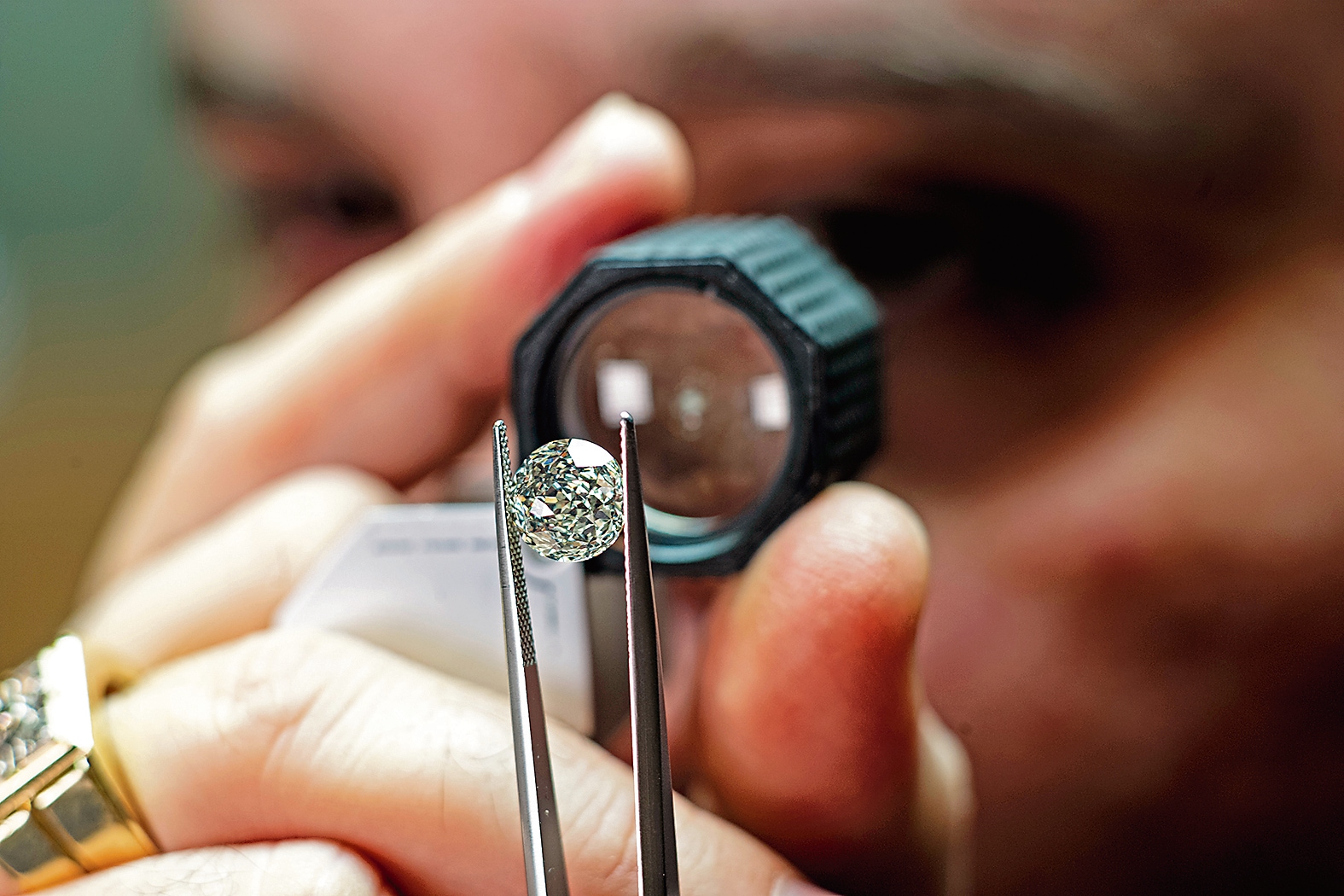
This is what one holds in one’s hand when one owns a natural diamond: A cut, polished shard of the planet’s deep past.
FIRE AND ICE
So how do they form?
Unlike most gemstones, which crystallise near the Earth’s surface or within its crust, natural diamonds form deep within the mantle, typically at depths of 150 to 200 km, within the ancient nuclei of continents, known as cratons.
Within these cratons, it takes extraordinarily precise conditions, of an astounding nature, to create a diamond.
Most natural diamonds consist of carbon that has crystallised at temperatures of 900 to 1,300 degrees Celsius, amid pressures of 4.5 to 6 gigapascals or GPa (for context, the pressure at the bottom of the Mariana Trench is about 0.1 GPa).
The pressure deep in the earth where diamonds are born is so intense, it would shatter almost anything you could name: advanced materials used to drill through rock; every known deep-ocean submersible.
But this very heat and pressure cause the specific types of bonds that form diamonds, instead of graphite.
Each diamond eventually holds within it the story of what it has been through: the elements that were built into the growing diamond, the changes it encountered, and of course the heat and pressure. This is part of what makes each one unique.
So if you want to buy yourself something that says, hats off for making it through a tough time, there’s really no better symbol than a natural diamond.
A BIT OF ANCIENT EARTH
What’s interesting is that, after it forms, it takes a literal explosion to make diamonds accessible to us.
Even the most dramatic deep-drilling rigs today cannot reach further than about 12 km. Diamonds typically form at depths of 150 to 200 km. The only reason we can reach them at all is because, at one point, they were swept upwards by kimberlitic magma, as it passed through diamond-forming regions.
What was kimberlitic magma? At one point in Earth’s geological evolution, mantle rock was thrown upwards in a series of rare, deep-origin volcanic events called kimberlite eruptions. The funnels left behind by these explosive eruptions — called kimberlite pipes — are where diamonds are typically mined.
But the kimberlite eruptions are long over. So the natural diamonds available today are all the diamonds we will ever have.
They are a piece of geological inheritance. The deep past, in physical form. They just happen to also be exquisite: a piece of eternity you can wear every day.


