
 E-Paper



Quote of the day by Eric Clapton: ‘My enlightenment has come from true sadness. When I hear very sad records…’

 Prefer HTon Google


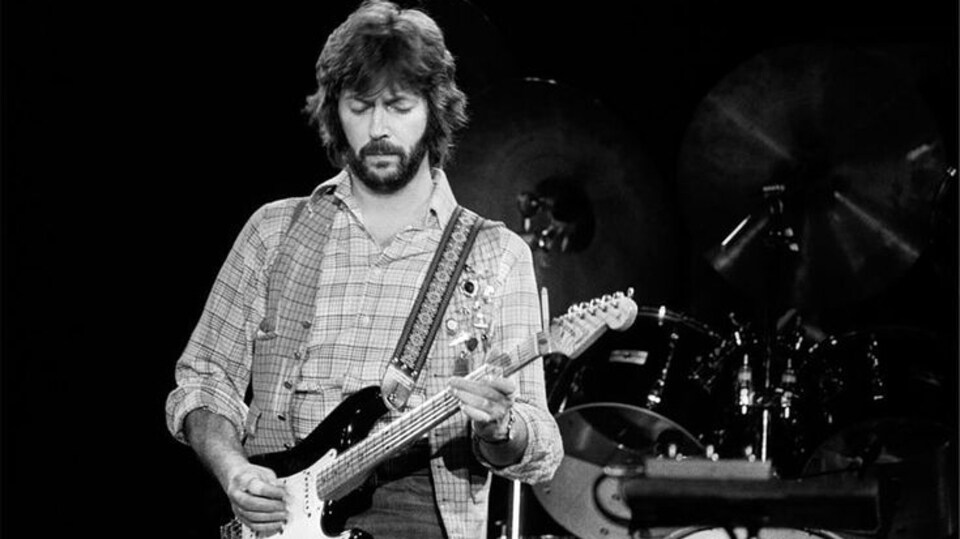
His words serve as a reminder that sadness, as an emotion, carries a profound depth that must be processed instead of avoided – ultimately connecting people.
March 30 marks the birthday of Eric Clapton, one of the most influential guitarists in rock history, known for his soulful blues virtuosity and emotionally rich songwriting. Over decades, Clapton has shaped music with bands like Cream, Derek and the Dominos, and a prolific solo career that blends blues, rock, and introspective lyricism.
Today’s quote of the day comes from a May 1998 interview with Guitar World, where Clapton spoke about his 13th studio album, Pilgrim. The conversation centred on the emotional core of the record – an album shaped by grief, healing, and reflection.
What Eric Clapton said
When asked about his creative process in making the album, and whether it was a joyful or painful process, Clapton offered a response that was profoundly honest and offered a refreshing take on one of the most common and misunderstood emotions – sadness.
He explained, “Joyful, but in an odd way. When I first conceived this album, I told anybody who was going to get involved that my goal was to make the saddest record that's ever been made...because my enlightenment has come from true sadness. When I hear very sad records, I don't get depressed. I feel an affinity and I feel relief. The first thing I get is a sense of, ‘I am not alone. Thank God! I'm not alone.’”
What Eric Clapton’s quote means
To understand the weight of these words, it’s important to consider the guitar virtuoso’s personal history. In 1991, he experienced an unimaginable tragedy – the loss of his four-year-old son, Conor Clapton, who died after falling from the 53rd floor of a high-rise apartment in New York City. This grief profoundly shaped both his life and his music, and was the main inspiration behind his 1992 hit, “Tears in Heaven.”
In the interview, Clapton reflected on how he approached songs in the album, like “My Father’s Eyes” and “Circus”, which were written in the aftermath of his son’s death. Rather than simply expressing pain, he aimed to transform it into something others could connect with:
“So I felt the way to make ‘My Father's Eyes’ into a sharing experience was to give it dignity, so that it would make it easy for someone else to identify with…‘My Father's Eyes’ was the hardest song to record on the album. It was one of the first songs, along with ‘Circus’, that I wrote after my son died. And it was the last one that I could let go of. In fact, I found ‘Circus’ a lot easier to let go of…I actually think subconsciously I just wasn't ready to let it go, because it meant – on some level – letting go of my son.”
At its core, this quote speaks to something universal: sadness is not something to be feared or avoided – it is something to be understood. While happiness is often celebrated, sadness carries a depth that forces reflection, perspective, and growth. It reminds us of what matters, connects us to others, and – perhaps most importantly – reassures us that we are not alone in our pain.
Why Eric Clapton’s words matter today
In a world that constantly pushes positivity and perfection – especially on social media – there is often little room for vulnerability. Sadness is seen as something to fix, hide, or rush through. But the “Layla” hitmaker’s words challenge that mindset.
They remind us that sadness can be a bridge rather than a barrier. Whether through music, art, or shared experiences, it has the power to create connection in ways joy sometimes cannot. When we allow ourselves to sit with difficult emotions, we don’t just endure them – we learn from them, and in doing so, we become more empathetic, more grounded, and more human.
Clapton’s insight is simple but powerful: in our darkest moments, the real comfort often comes from realising that someone else, somewhere, has felt the same – and made something meaningful out of it.


