
 E-Paper



Comic relief: Six authors pick graphic novels that reinvent the form

 Prefer HTon Google


Graphic novels can be memoirs, deliver LOLs, tell a story without words and paint pictures of everyday life. Six authors pick one book that shakes up the genre
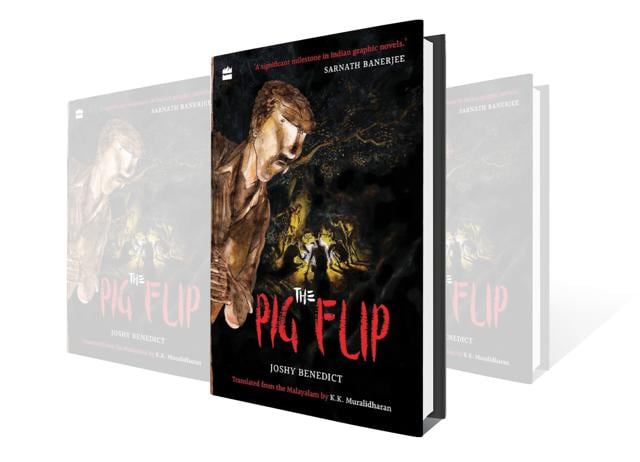
If you think graphic novels are just superhero or adventure stories…Harsho Mohan Chattoraj recommends The Pig Flip
Joshy Benedict’s 2023 novel (he narrates and illustrates) is set in Kerala and follows Babycha, a man who can’t shake off his obsession with spot flip, the gambling card game of choice in his island village. He’s married now. His wife worries about his addiction, as does his family. There are flashbacks, and the weight of family expectation hangs over the tale.
What caught Chattoraj’s attention is how different this book feels from other graphic novels. The Pig Flip is small, compact; its panels highly detailed. “Benedict’s art and storytelling are quite different from the ones we’ve seen,” he says.
Readers see the story from Babycha’s POV, which means his gambling life looks more dreamy and compelling than his everyday world. This isn’t your DC/Marvel tale of justice and redemption. The tale brings in rural Kerala’s culture and everyday life as it weaves in a comeuppance. “It was good to see something that was totally different and totally done on paper,” Chattoraj says. The English version, translated from the Malayalam by KK Muralidharan, retains the language style and mood of the original.
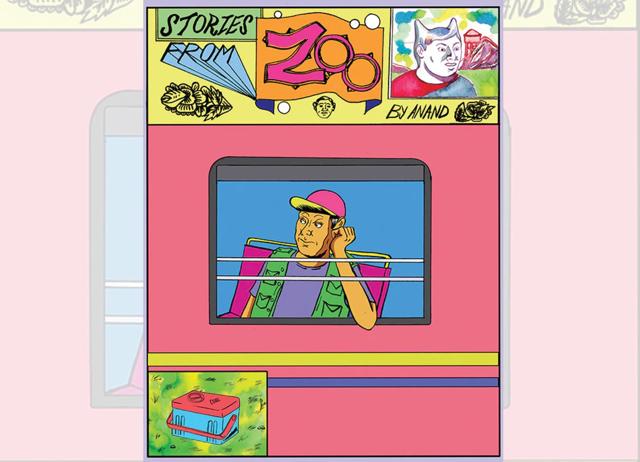
If you think comics have to be long, linear and serious…Sarnath Banerjee recommends Zoo
Anand Shenoy began self-publishing Zoo, a one-person comic anthology, in 2020. Each standalone story turns everyday situations into a springboard for surreal, often darkly funny turns. One tale is of a child who looks up to a film editor in their small town, and admires his accomplishments and philosophy, only to realise, years later, that the man was a serial killer all along.
The first three issues were collected as Stories from Zoo, and published by US-based Bubbles Zine in 2023. “Zoo is, for me, extremely funny. It’s a sort of whimsical take on society,” says Banerjee. In one story, My Cold Brother, a boy climbs into a fridge and refuses to come out. “It was written at the height of a Delhi summer, so it’s kind of surreal and funny at the same time. I read it on a winter afternoon in Berlin, where it was minus four or five outside.” The boy in the tale eventually finds peace when he is taken to a polar landscape, where he finally steps out of the fridge. The graphic novel takes us into the inner world of the fridge, a most unusual POV.
If you think graphic novels need words...Sumit Bardhan recommends The Arrival
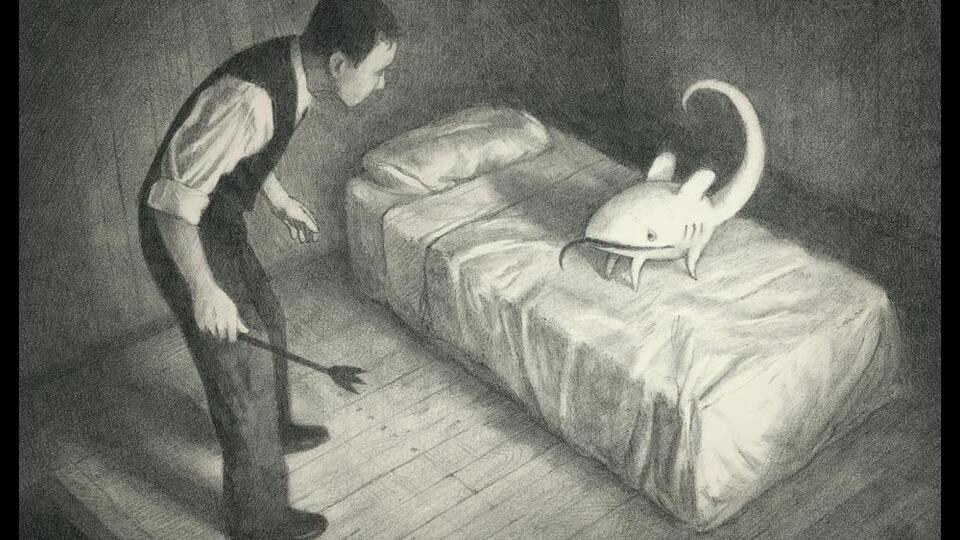
Shaun Tan’s 2006 work tells the story of an immigrant arriving in an unfamiliar country. But there is one striking absence: Words. The book unfolds entirely through images that look like old photos. They depict strange, almost alien landscapes, unfamiliar creatures, architecture and everyday rituals of a new world. The book seems, at times, almost like a storyboard for a film about the migrant experience. It’s rich in detail – you, the viewer, can fill in the dialogue and narration effortlessly.
Bardhan chanced upon the book about five years ago, when he was looking for works outside the mainstream imprints. He saw a discussion about The Arrival on a blog and bought it out of curiosity. “I had never seen a wordless graphic novel before. What stayed with me were the almost surreal, abstract, alien backgrounds and the way the story could be understood without a single line of dialogue.”
If you think graphic novels have too much bro energy...Nidhi Arora recommends Fun Home: A Family Tragicomic
A classic. Alison Bechdel (Yes, the same person who gave the us the Bechdel test to gauge if a movie or book includes women characters who talk about something other than men) published it in 2006. It’s a hyper-personal memoir about her complicated bond with her father, his death, her sexuality, his interest in art and the tensions at home. And it does so in tender, telling flashbacks. “Greek mythology, The Great Gatsby, Camus and Oscar Wilde all wander in as she tries to understand her parents and herself,” Arora says. “There’s an unexpected vein of humour through the tragedy.”
Arora recalls reading a digital library copy late into the night on her laptop, wishing she could highlight passages or dog-ear the pages. One image stays with her: A silhouette of father and daughter together yet apart, each holding secrets that, she says, “summarises their entire relationship”.
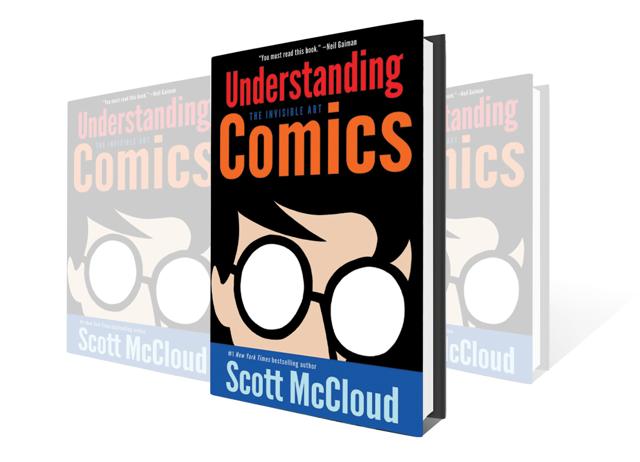
If you think graphic novels are only fantasy and fiction...Orijit Sen recommends Understanding Comics: The Invisible Art
It’s a little meta. Scott McCloud’s 1993 work is a book about comics that is itself a comic. It takes on “the medium, graphic novels and comics and what other people have done with them,” Sen says. But think of it as a guide to storytelling and visual communication – the kind that can polish your Reel, your meme, your sticker designs and your subversive T-shirt side hustle.
It’s not quite a textbook. It’s not quite a timeline. And it’s not a list of dos and don’ts. Instead, McCloud, an OG among graphic novelists (he’s been at it since the 1980s) examines the relationship between panels and lines, how much you can pack into a frame, what constitutes clutter, what the eye notices first, and how humans consume a story,.
Sen first read it in the 1990s and keeps returning to it “to understand my own work, and to examine why I chose to do one thing or the other”. In the pandemic, he taught it to visual-art students at Ashoka University. Three decades after publication, it’s relevant enough to “keep going back to”.
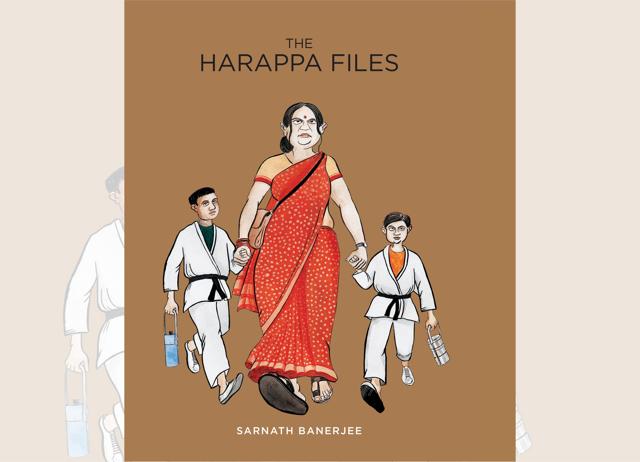
If you think graphic novels tell only one story...Debjyoti Bhattacharya recommends The Harappa Files
Sarnath Banerjee’s 2011 novel looks at contemporary India through loosely connected stories, observations and visual fragments. It follows the fictional Greater Harappa Rehabilitation, Reclamation and Redevelopment Committee, consisting of elite bureaucrats, historians, ethnographers, social scientists, law enforcers, retired diplomats and policymakers. They set out to survey the country’s “current ethnography and urban mythology” only to find that India’s everyday absurdities are in the way in hilarious and dangerous ways.
“Each episode stands on its own while building a larger portrait of a country in flux,” says Bhattacharya. “It reads less like a novel and more like a walk through a city where every corner has another story to tell.”
From HT Brunch, October 10, 2026
Follow us on www.instagram.com/htbrunch


