
 E-Paper



Rude Food by Vir Sanghvi: Delhi chefs are putting the city back on the map

 Prefer HTon Google


Delhi, India’s food capital, has watched Mumbai and Bengaluru steal its thunder. But a new batch of chef-led restaurants might just give the city its crown back
There was a time when foodies would compare the merits of Delhi and Mumbai. Delhi usually won. Then, things began to change. Mumbai was seen to have the edge. Bengaluru suddenly joined the race and became recognised as a foodie haven. Now there’s a hype-driven move to treat Goa as India’s food capital, spearheaded mostly by the sort of Mumbai person who believes that because Juhu is now too over-developed, they need to travel further afield to find new beaches and build new holiday homes.
I have often wondered (frequently on these pages) why Delhi let its advantage slip. After all, no Indian city has been as influential in food terms as Delhi. What much of India regards as north Indian food was created in Delhi: Tandoori Chicken was popularised here, and Butter Chicken was invented by Delhi’s Moti Mahal. The original Moti Mahal dal was refined by Bukhara and remains the single most served dish at Indian restaurants abroad. Just when tandoori cuisine had taken over, Delhi’s Dum Pukht popularised the food of Awadh, serving a biryani that nearly every north Indian restaurant now copies and serves.
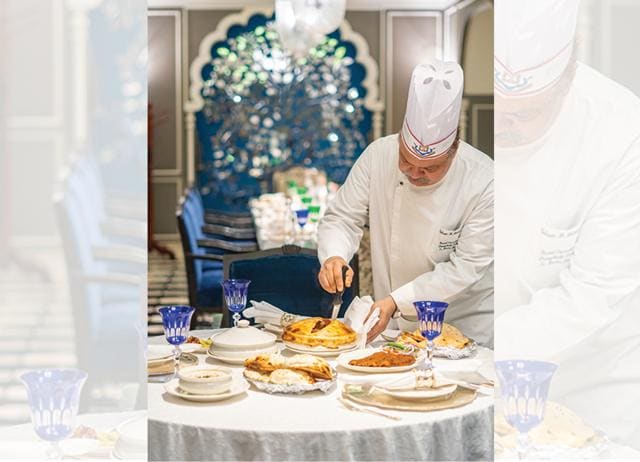
When it came to international cuisine, Delhi was the pioneer. Roger Moncourt at the Ashoka taught generations of chefs how to cook French food. Though this is largely forgotten now, India’s first authentic Japanese restaurant opened in the 1980s, also at the Ashoka. (Puneet Chhatwal was the manager.) The Taj introduced Sichuan food to Bombay in 1974 at the Golden Dragon, but it did not become a national craze until the House of Ming opened in Delhi in 1978.
Even the trend for projecting chefs began in Delhi. ITC was the first Indian hotel company to put a picture of a chef in a national ad. (The chef was, of course, Imtiaz Qureshi.) The first owner/chef -driven restaurant of consequence was Ritu Dalmia’s Diva.
So, if Delhi was so far ahead, then how did it fall so much behind?
My theory is that it comes down to the owners of Delhi’s restaurants. For most of the last century, the innovations were guided by hotels. Large companies such as Taj and ITC were willing to take risks and explore new cuisines and revive old ones. But once the foodie action moved out of the hotel sector, any advances depended on individual restaurant owners. Too many of these people were unwilling to take many risks. The market was happy with the same old mediocre formulaic restaurants so there was no need to be adventurous. As significant was their unwillingness to promote their chefs.
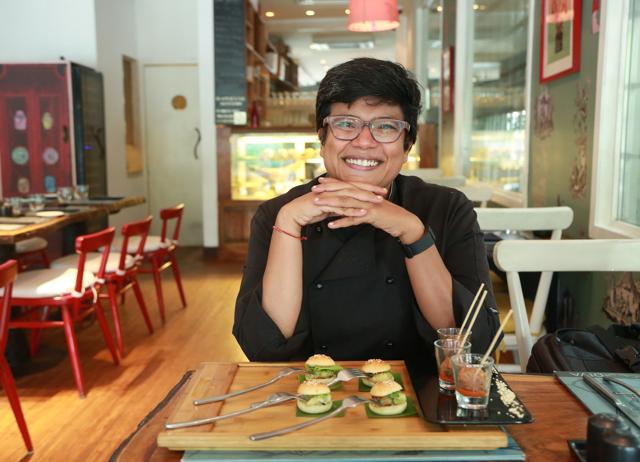
In contrast, nearly every newish restaurant of note in other cities is chef-driven. Sometimes the chefs are owners (with investors, of course) like Alex Sanchez of Mumbai’s Americano and Otra. But even when the chefs are not owners, they are allowed to call the shots. Sanchez started out at The Table, where the owners Jay Yousuf and Gauri Devidayal were happy to promote his cooking. They have done the same with Will Aghajanian, their current chef.
The chef Floyd Cardoz was one of the founders of The Bombay Canteen and he created a culture where such chefs as Hussain Shahzad are better known than the other partners; and everyone likes it that way. At Masque, the founders Aditi and Aditya Dugar wanted a chef-led restaurant, and they made both Prateek Sadhu and Varun Totlani famous. Riyaaz Amlani takes more pride in the success of his longtime associate Gresham Fernandes at Bandra Born than he does in his own considerable achievements.
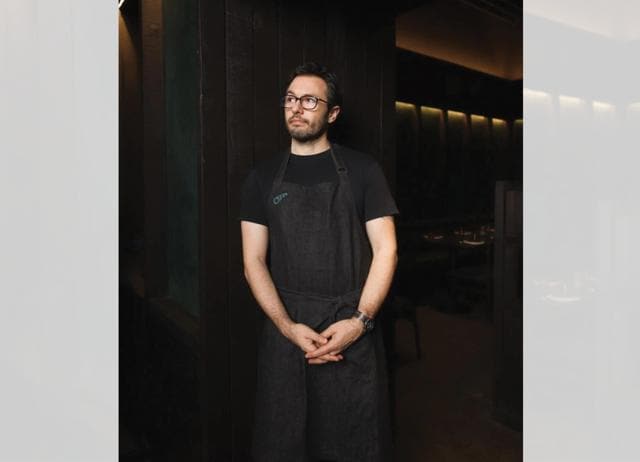
In Bengaluru, nearly every highly regarded restaurant is known for its chef. At Farmlore, it’s Johnson Ebenezer. At Lupa, it’s chef-owner Manu Chandra. At Naru Noodle Bar, it is Kavan Kuttappa. At Karavalli (part of the Taj group) it’s Naren Thimmaiah.
Even in Kolkata, a city that has no tradition of adventurous chef-driven restaurants, the success of Sienna is attributed to its two chefs Koyel Nandy and Avinandan Kundu. The Blue Poppy is now nationally famous but perhaps its chef-owner Doma Wang is even more famous than her restaurant.
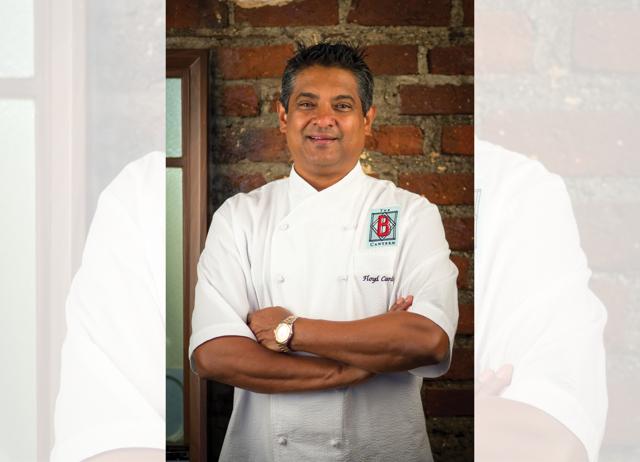
I have long believed that unless Delhi sheds its Lala culture of owner-driven restaurants and gives chefs the place they deserve, the city will never recapture the foodie imagination. But perhaps that’s happening now. The biggest opening of the year has been Gaggan Anand’s Raga, which is not surprising, given Gaggan’s status as one of the world’s great chefs. But there is also the acclaim that Manish Mehrotra’s Nisaba has been greeted with.
Mehrotra’s rise is an example for Delhi’s restaurateurs to study. He invented an entire school of modern Indian cuisine when he was chef at Rohit Khattar’s Indian Accent. He created Comorin in Gurgaon for Khattar’s company. He took his fame with him when he opened his own Nisaba. But here’s the thing: Even though Nisaba is such a success, both Comorin (headed by chef Dhiraj Dargan) and Indian Accent (run by chef Shantanu Mehrotra) continue to do very well. It’s a management style that Khattar has perfected, and now repeated with Harish Rao at Hosa.
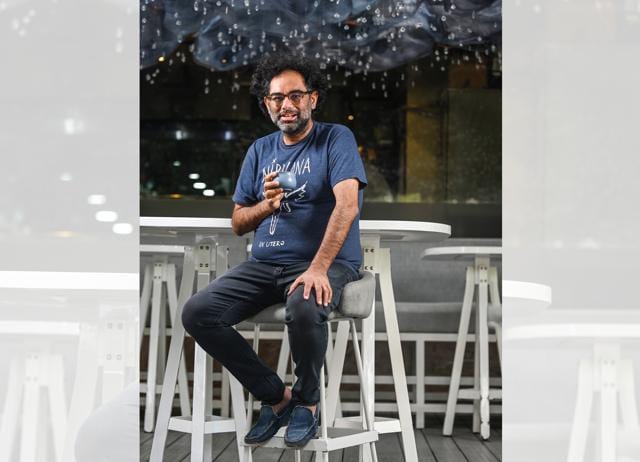
It’s a salutary lesson for Delhi’s restaurateurs who worry that if they promote chefs they may leave and open other restaurants. It’s never worried Khattar, so I don’t know why others don’t follow his lead.
And in fact, nearly all the best restaurants in Delhi are now chef-driven. Kikli is run by chef Amninder Sandhu. Tres is owned by the Burman group’s LiteBite foods, but chefs Julia Desa and Jatin Mallick run it like their own baby. A former Tres chef, Jamsheed Bhote now owns Plats with his chef wife Hanisha Singh and it’s my favourite neighbourhood restaurant in Delhi.

At hotels too, the best restaurants are the ones where chefs have a free hand. Delhi has the best Japanese restaurant in India: Megu at the Leela Palace. It also has the best Chinese restaurant: The China Kitchen at the Hyatt Regency. At both places, the hotel managers have been bright enough to let the chefs call the shots: Shubham Thakur at Megu and Zhang Hongsheng at The China Kitchen.
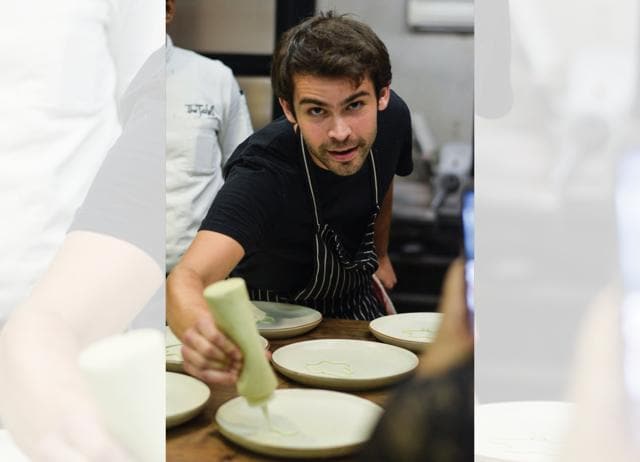
Will the trend continue? I don’t know. In a way, Delhi’s restaurant business is a little like Mumbai’s film business. Entrepreneurs raise funds from rich guys attracted by the glamour of the business. And when the restaurant fails, they just turn it into a bar and tell the investors that this is even more glamorous.
It’s a great way to raise money but not such a great way to serve good food.
From HT Brunch, October 17, 2026
Follow us on www.instagram.com/htbrunch


