
 E-Paper



Restaurants are turning dining into an experience beyond food: Tasting menus, interactions with chefs to live demo

 Prefer HTon Google



What is experiential hospitality, and why is it changing the way we dine? Here is how (and why) restaurants are turning meals into memorable experiences.
When you are about to head out and choose a restaurant, you may have a checklist in mind, including good food, decent service, and value for money. But nearly every restaurant now attempts to meet these basic expectations.
ALSO READ: Confused by restaurant menus? 8 tips to order a satisfying meal without feeling overwhelmed
And anyway, almost every cuisine is available at the tap of your phone; you can simply order food at home. Restaurants, therefore, need to offer something more, something diners cannot find at their doorstep. This is where experiential hospitality comes in, blending storytelling, ambience, personal interactions, and cultural elements into the meal to create an experience that goes beyond basic dining expectations. So, dining out is no longer just about food.
Manish Sharma, co-founder and COO of Karigari Ventures Ltd, explained how experiential hospitality is changing restaurants, why authenticity matters more than spectacle, and how memorable experiences can encourage diners to spend more and return.
Why dining out is becoming more experiential
The dining game needs to be elevated beyond the quality of food, service, and affordability. In essence, restaurants need to provide experiences that cannot be recreated through home delivery. Manish believes that diners are looking for ‘distinctive experiences that feel personal and are worth remembering.’ This is essential because dining out is no longer solely about food; rather, it places the meal within the broader context of the ambience, interactions, and overall experience.
Manish added, “A guest may remember a dish, but they may also remember the story behind it, the person who recommended it, the way it was presented, or the warmth with which they were welcomed. Often, it is the smaller details that stay with people long after the meal is over.”
Restaurants are creating an ambience that supports storytelling and helps diners better understand what they are eating. By highlighting the origin, cultural significance, and preparation of the dish, the meal becomes a whole experience where you discover the history and traditions behind the food.
Manish explained, “A dish can tell the story of a region, a community, a tradition or an ingredient.” These details you won't be able to immerse yourself in when you order at home.
He further talked about an advantage India has in terms of storytelling: “When that story is communicated well, the diner is not simply consuming food but connecting with what lies behind it. India has a natural advantage in this regard. Food here has always been closely linked to culture, memory, and celebration. Regional cuisines carry stories that have travelled across generations, while ingredients often have a history of their own.”
But again, creating experience does not mean relying on excessive theatrics or entertainment. Experiential elements should be rooted in the restaurant's culinary philosophy and identity instead of being introduced merely for visual appeal or novelty. This way, the connection of the diners with the food on the plate feels more organic than manufactured.
India has diverse culinary traditions, giving restaurants ample opportunities to create meaningful dining experiences. For example, a restaurant serving Rajasthani cuisine could finish dal baati churma at the table by crushing the baati, pouring ghee over it, and explaining how the different components are traditionally eaten together. Such a demonstration remains rooted in the dish's presentation and helps diners know the cuisine more.
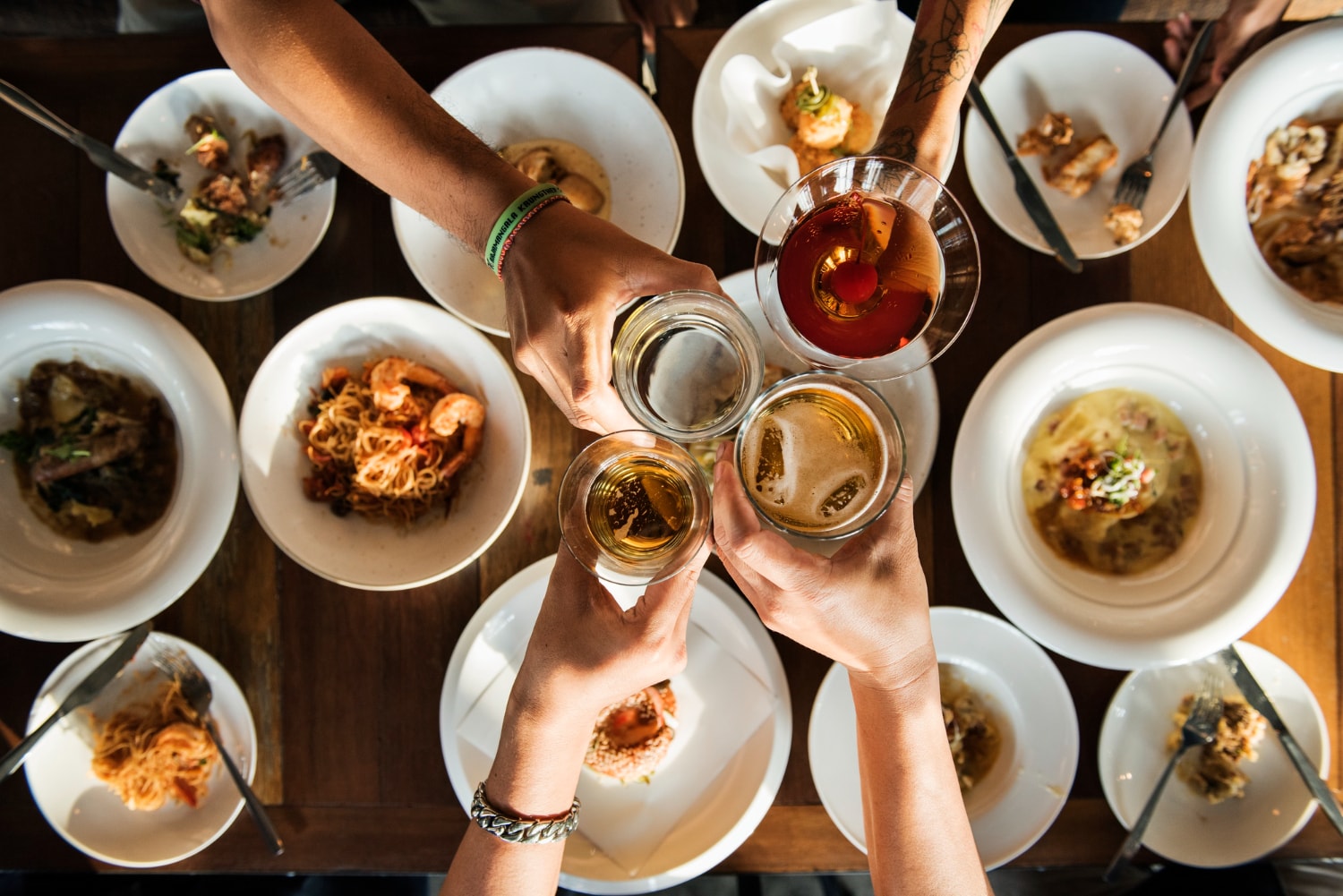
How can diners be part of the experience?
Experiential hospitality encourages diners to participate in the culinary journey instead of remaining passive recipients of food and service.
The expert described: “It could be understanding the story behind a regional dish, interacting with a chef, learning about the origin of an ingredient, or experiencing an element of local culture. The objective is to make dining feel less transactional and more participatory.”
This could take many forms, such as guided tasting menus, interactions with chefs, live demonstrations of traditional cooking techniques, regional art displays, or stories explaining the cultural importance of particular ingredients and dishes.
Chef-led concepts can bring the chef's personality and philosophy closer to diners, while restaurants specialising in regional cuisines can create experiences rooted in their culinary heritage. In a similar sense, a space centred on craft can highlight the people and processes that often remain invisible to customers. Lastly, the expert reminded that how guests are treated often determines whether they return.


