
 E-Paper



Avoid eating dal because of high uric acid? Dietician lists purine content of pulses to help make right choice

 Prefer HTon Google


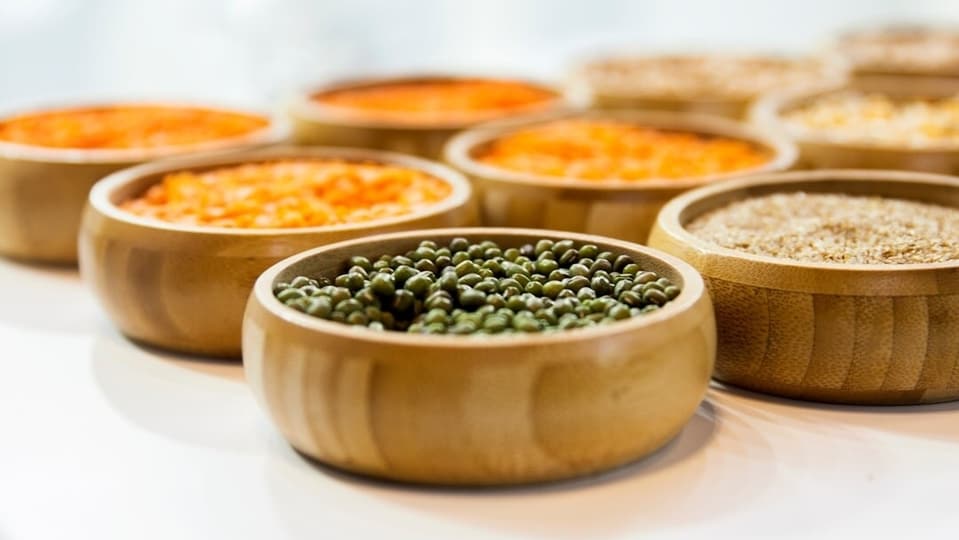
For people with high uric acid, yellow moong dal in limited quantity is safe for consumption because of its low purine content, according to Kiran Kukreja.
Hyperuricemia, or having high uric acid levels, is a common condition which may lead to gout, joint pain, and the formation of kidney stones. Uric acid is a waste product of human metabolism that is filtered out by the kidneys.
Having a diet that is rich in purine, nitrogen-containing compounds that break down to produce uric acid, is not recommended in a state where uric acid levels are high in the first place. As a result, many people avoid consuming pulses (dal) altogether to lower the risk.
However, according to certified dietician and nutritionist Kiran Kukreja, such extreme measures are not necessary. All we need to do is choose the right dal and be mindful of the quantity. It is also important for individuals to know their uric acid levels.
“If they’re very high, what works for others may not work for you,” wrote Kiran in the caption. “If your levels are above 8 (mg/dL), you may need to avoid even moderately high-purine foods and stick to low-purine options only.”
Here is a list of dals in increasing order of purine content, which can help decide what to eat and what to avoid.
Yellow moong dal
- Low purine content (25 to 35 mg)
- Can be consumed on a daily basis.
Masoor dal, toor dal, and green chilka moong dal
- Low purine content (35-50 mg)
- Can be consumed three to four times per week, but make sure to soak them for at least six to eight hours.
Lobia dal, moong dal, kulith dal, and sabut dal
- Moderate purine content (60 to 75 mg)
- Can be consumed two to three times per week.
Chickpeas, rajma, and kala chana
- Moderately high purine content (75-90 mg)
- Can be consumed once in 10 to 15 days.
Soybeans and soy chunks
- Very high purine content (120 to 140 mg)
- Avoid completely.
Note to readers: This article is for informational purposes only and not a substitute for professional medical advice. Always seek the advice of your doctor with any questions about a medical condition.
This report is based on user-generated content from social media. HT.com has not independently verified the claims and does not endorse them.

Catch your daily dose of Fashion, Taylor Swift, Health, Festivals, Travel, Relationship, Recipe and all the other Latest Lifestyle News on Hindustan Times Website and APPs.


