
 E-Paper



Ayurvedic guidelines for food storage
Discover the Ayurveda’s food principles and learn how you can best store and take care of your food.


We're probably all guilty of cooking too much for dinner and having to cope with a lot of leftover food. Without realising the risks to our health, we frequently store leftover food in plastic or glass containers in the refrigerator. It's crucial to understand how to properly prepare and serve leftovers so that there is less food waste and you may spend less time and money. Knowing exactly how long your food can be kept in the fridge or freezer is essential to ensure that you don't become sick after reusing food. Just because leftover food can taste or smell okay doesn't necessarily imply that it's safe to consume. Discover Ayurveda’s food principles and learn how you can best store and take care of your food.
(Also read: 5 tips to relish fruits the Ayurvedic way)
"Long before modern food storage solutions like fridges even existed. Ayurvedic sages have described how we can store food to keep it fresh. Utensils made from different materials and leaves of different trees have been used to store different varieties of food", says Dr. Varalakshmi, an Ayurvedic health coach, in her recent Instagram post. She further shared important Ayurvedic guidelines that one should keep in mind while storing food.
- Juices and cold drinks - Fruit juices & syrups can be stored in silver vessels as they are cooling in nature and can be kept fresh for long.
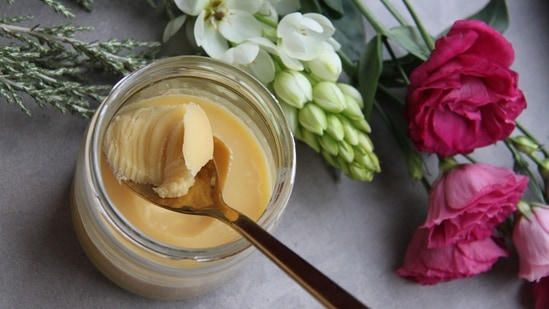
- Ghee- Ghee should always be stored in an iron vessel or jar.
- Sour foods- Sour sauces and cooked buttermilk should be stored in stone vessels. As stone doesn't react with sour food, unlike metals. They should never be stored in an iron vessel.
- Wines and pickles- wines, syrups and pickles are usually stored in vessels made of glass, rock or crystals.
- Meat- Cooked meat should always be stored in a silver vessel.
- Fruits - fruits and snacks should be first wrapped in fresh leaves and then stored.
- Water- water should be stored in copper, silver, brass and earthen pots.


Catch your daily dose of Fashion, Taylor Swift, Health, Festivals, Travel, Relationship, Recipe and all the other Latest Lifestyle News on Hindustan Times Website and APPs.


